
Last updated November 22, 2026
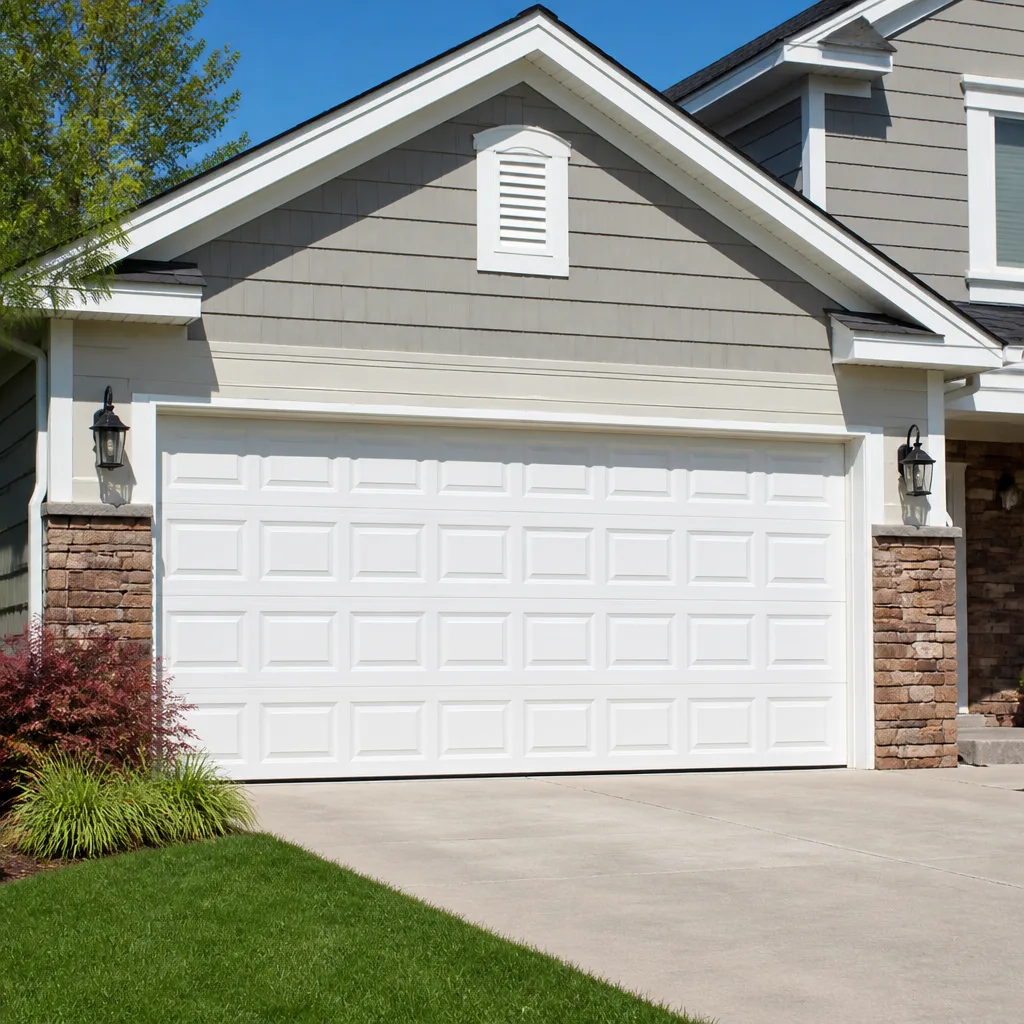 Raised-panel steel
 Carriage house
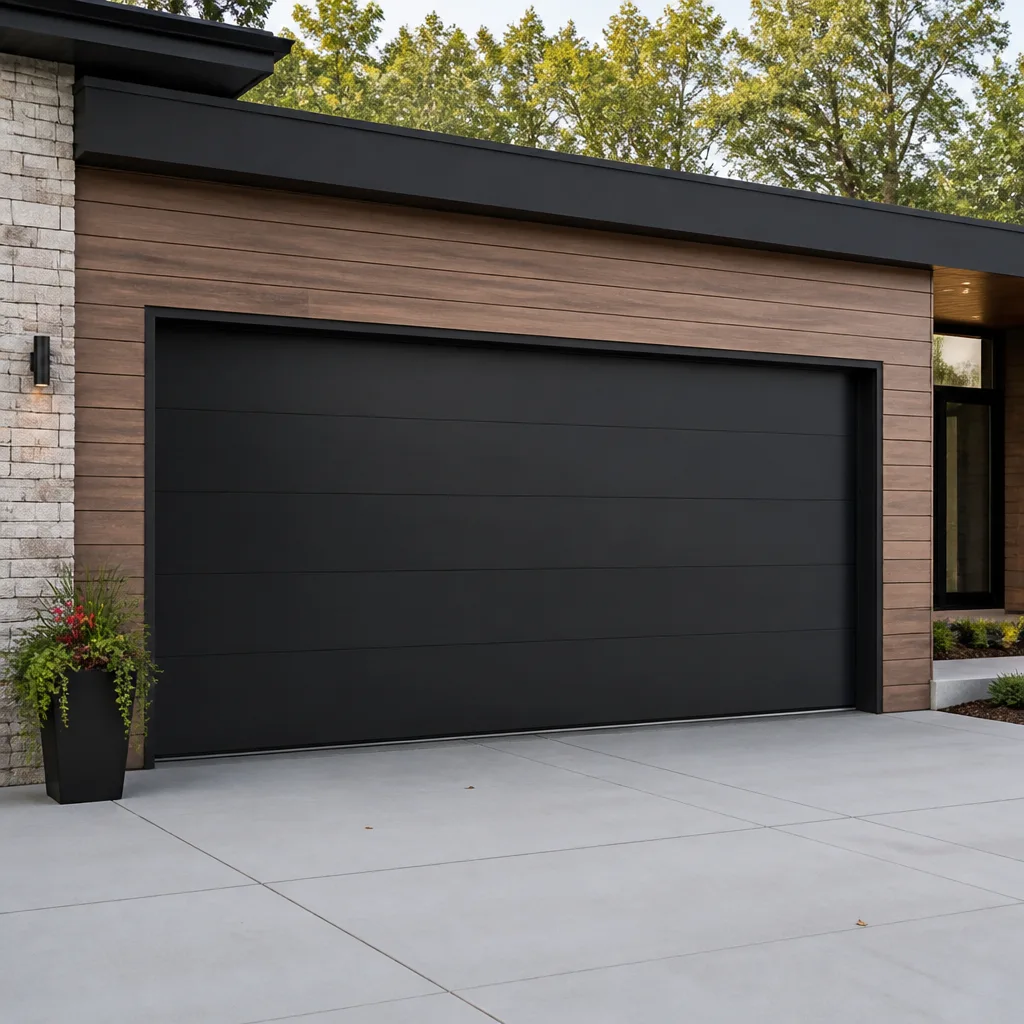 Modern flush
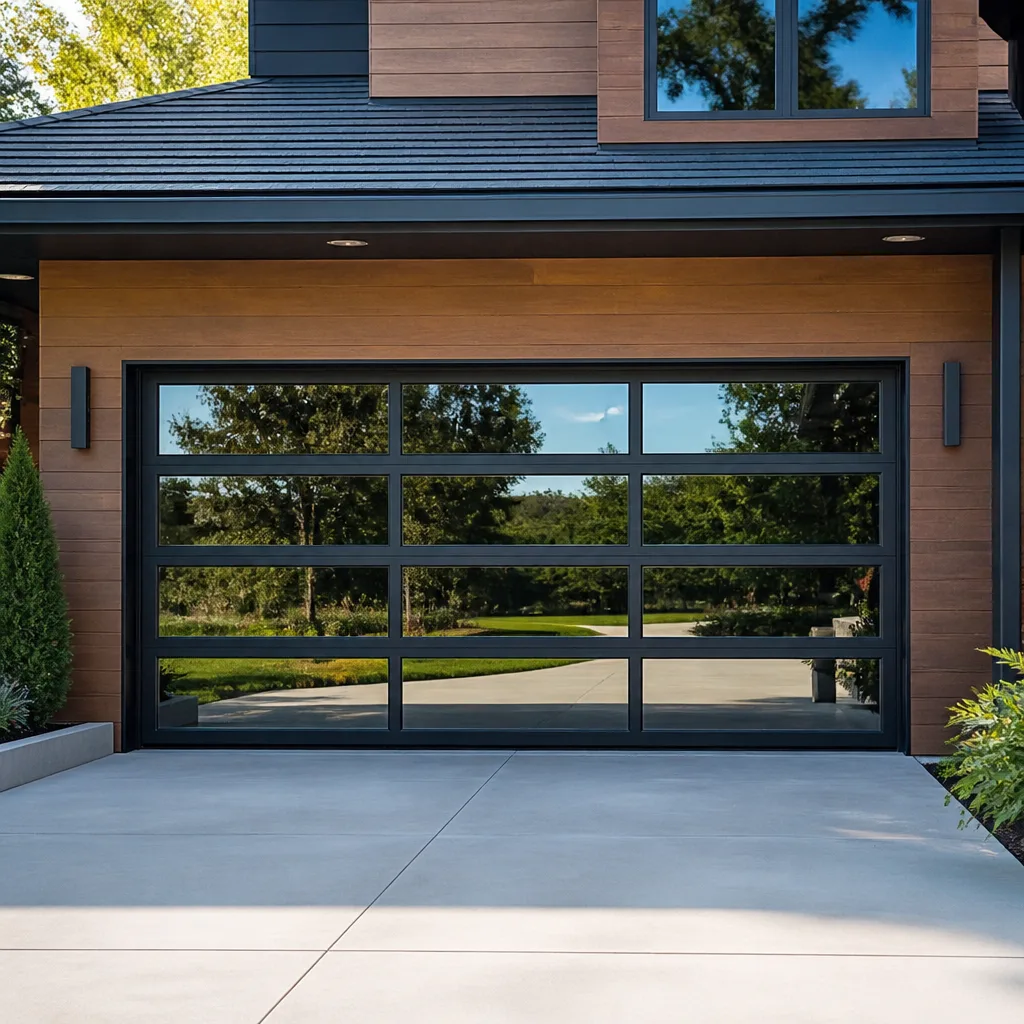 Full-view glass
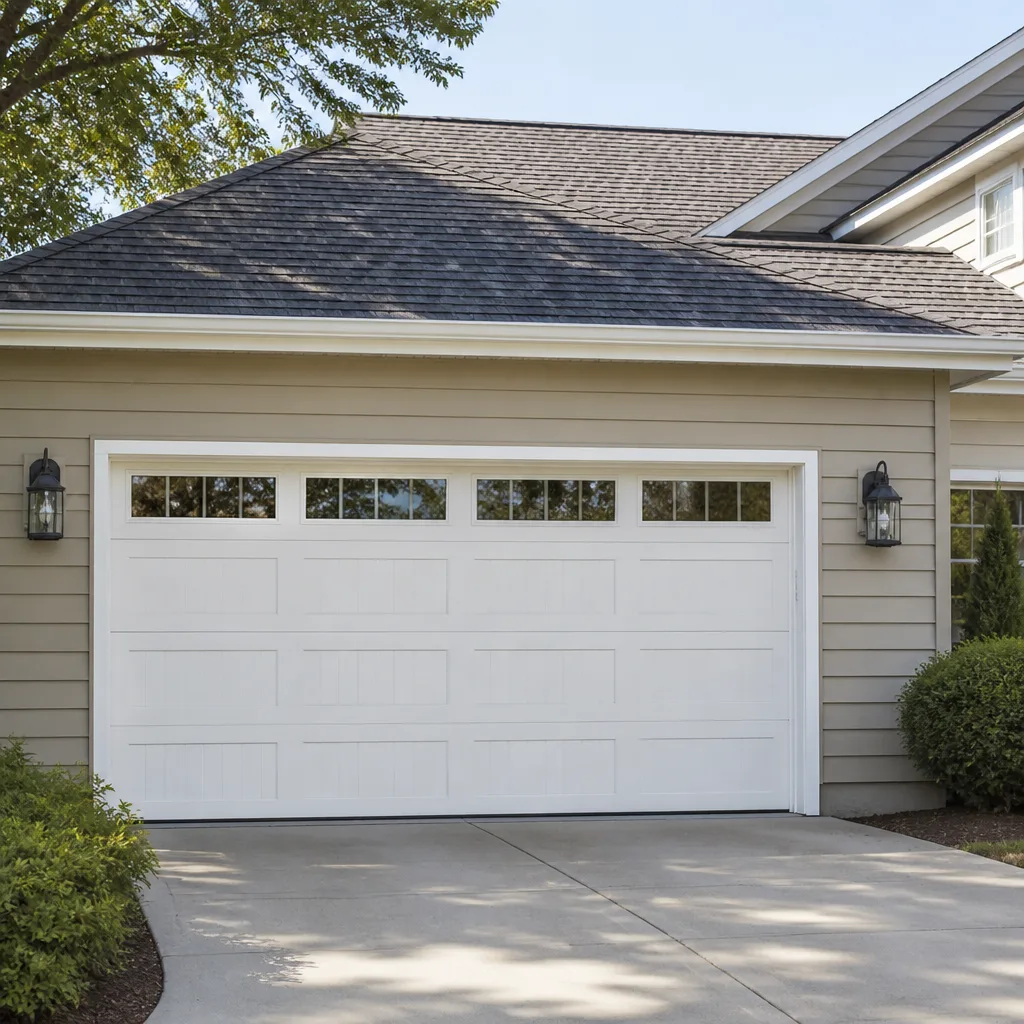 LiftMaster openers
 Chamberlain openers
Full 25-point door and opener safety check with every visit - springs, cables, rollers, tracks, and your LiftMaster or Chamberlain opener included
You get a price before we start. It does not change when the pro arrives.
Get your free estimateGarage Door Repair Maintenance Checklist for St. Charles Homeowners
Most people assume a garage door wears out from age. In St. Charles, it’s usually something else: dry metal. When temperatures drop and the air turns dry, torsion springs, rollers and hinges lose their film of lubricant, friction climbs, and the parts that carry the most load wear fastest. By the time a spring snaps, the damage has been building for months. This guide is built around consequence, not completeness. We’ll show you which checks prevent the most expensive failures, in the order that saves you the most money, and which jobs you should never touch yourself.
Quick Answer
A useful garage door maintenance checklist has three tiers: a 5-minute monthly look at balance, seals and hardware; a 30-minute twice-yearly inspection with lubrication and a full fastener check; and an annual safety review of the springs, cables and opener. In St. Charles, the two tasks that prevent the costliest failures are lubricating the torsion spring and hardware before winter, and keeping the bottom seal intact so rain and snowmelt don’t rot the door’s lower panels.
Styles & brands we work with
- Raised-panel steel
- Carriage house
- Modern flush
- Full-view glass
- LiftMaster openers
- Chamberlain openers
Table of Contents
- Why St. Charles Weather Wears Doors Faster
- The Three-Tier Maintenance Checklist
- The 5-Minute Monthly Checks
- The 30-Minute Twice-Yearly Inspection
- Lubrication: What Works and What to Avoid
- How to Test Balance and Tension Safely
- How Long Parts Last in St. Charles
- Red Flags That Mean Stop and Call
Why St. Charles Weather Wears Doors Faster
St. Charles sits in a climate that swings hard. Summers bring humid, heavy air and heat that softens lubricant and warps wood-composite panels. Winters bring freeze-thaw cycles and dry cold that contract metal and strip whatever lubricant was left. A door in St. Charles can see a 70-degree temperature swing between January and July, and every one of those cycles works the springs, rollers and hinges a little harder than the same door in a milder climate.
The practical result is a shorter fuse on the moving parts. Torsion springs that might stretch a decade in a stable climate often fail sooner here because of the friction and repeated cycling. Bottom seals take a beating from snowmelt pooling at the threshold, and weather stripping along the sides cracks when humidity drops in winter. If your door faces west toward afternoon sun, the heat load on the panels and the seal is higher again.
We work on doors all over St. Charles, from older homes near the riverfront to newer builds out toward the suburbs, and the pattern holds. The doors that last are the ones where the springs got lubricated before the cold set in and the seals got replaced before water reached the wood. The doors that fail early are usually the ones nobody looked at until something broke. That’s the whole reason for a checklist built on consequence instead of a long list of tasks with no order.
The Three-Tier Maintenance Checklist
Most checklists fail because they treat a 5-minute glance and a 30-minute inspection as the same thing. They aren’t. Sorting tasks by how much damage they prevent and how often they need doing is what makes a checklist actually useful. Here’s how we break it down.
- Monthly, 5 minutes. A visual pass on balance, seals, hardware tightness and the opener’s reversing safety. This tier catches problems early while they’re still cheap.
- Twice a year, 30 minutes. A hands-on inspection with lubrication, a full fastener check, a track clean-out and a door balance test. Do one before winter and one in spring.
- Annually, or when something sounds different. A close look at the springs, cables and opener, plus any part that showed wear at the twice-yearly stage. This is where you decide whether to repair now or plan a replacement.
The order matters. The monthly checks are the early-warning system. The twice-yearly inspection is where you actually prevent the expensive failures. The annual review is where you catch the slow problems that don’t announce themselves. Skip the monthly tier and you’re relying on the annual review to catch everything, which is how a small seal tear turns into a rotted bottom panel. In St. Charles, skipping the pre-winter lubrication is the single most common reason a spring fails in January instead of three years from now.
The 5-Minute Monthly Checks
The monthly pass is about spotting change, not fixing anything. You’re looking for things that weren’t there last month: a gap in the seal, a rattle, a door that doesn’t sit flat. Five minutes, once a month, keeps you ahead of most failures.
- Balance check. Close the door and pull the manual release. A balanced door should stay put when you let it go about halfway up. If it drops or wants to rise, the springs are out of adjustment or wearing.
- Seal check. Run your hand along the bottom seal and the side weather stripping. Look for tears, gaps or stiffness. A seal that’s cracked won’t keep water out.
- Hardware check. Look at the hinges and roller brackets. You’ll usually see a loose bolt before you hear it. Gently rock each roller in its bracket to feel for wobble.
- Opener safety check. Put a piece of wood flat under the closing door. It should reverse on contact. If it keeps pressing down, stop using the door until that’s fixed.
- Listen. Stand in the garage while the door runs. A grinder, a scrape or a rhythmic thump is a real signal, not just noise.
None of these require tools or skill. They’re a quick look, and they tell you what needs attention before it fails. For a homeowner in St. Charles, the monthly pass is the cheapest insurance there is, and it takes about as long as checking your tire pressure.
The 30-Minute Twice-Yearly Inspection
Twice a year, once before the cold sets in and once after the thaw, do a proper hands-on inspection. This is where you prevent the failures rather than just spot them. The pre-winter pass is the more important one in St. Charles because that’s where the friction and cold combination does its damage.
- Lubricate the moving parts. Torsion spring, hinges, rollers and the opener’s rail. Details on which products to use are below, because not every lubricant works on every part.
- Tighten what’s loose. Check every bolt and hinge with a wrench. Don’t overtighten; just snug them.
- Clean the tracks. Wipe out dust and grit with a damp cloth. Don’t grease the tracks; grease attracts dirt, and dirt is what causes chatter.
- Test the balance. The same midpoint test as the monthly check, but do it carefully without touching the spring itself.
- Inspect the seals. Replace the bottom seal if it’s stiff, cracked or has a gap. Check the side weather stripping too.
- Examine the panels. Look for dents, warping or rust along the bottom edge. Catching a little rust early saves a panel later.
- Check the opener’s force settings. If the door strains to open or close, the opener may be forcing a door that’s out of balance.
This is the tier that actually pays off. A door lubricated and tightened before a St. Charles winter runs quieter, wears slower and is far less likely to snap a spring in the cold. Doing it in spring too catches the effects of the winter before they turn into a summer breakdown.
Lubrication: What Works and What to Avoid
Lubrication is the most misunderstood part of maintenance, and it’s where the wrong product does real harm. The rule is simple: use the right lubricant for each part, and use less than you think you need.
- Torsion spring. A light coat of a spray lubricant made for garage door springs, or a general light machine oil, applied sparingly. Not grease, not chain lube.
- Hinges. A lithium-based grease or a silicone spray. Dab it into the pivot points, not across the whole hinge.
- Rollers. Silicone spray if the rollers are sealed, a light oil if they’re on metal stems. Don’t soak nylon rollers; a light spray is enough.
- Tracks. No lubricant at all. Clean and dry is correct. Grease in a track attracts grit and makes a door chatter and stick.
- Opener chain or belt. Follow the opener manufacturer’s guidance. Most need a light application of the specified product and nothing more.
Avoid heavy grease on any moving part exposed to dust, and avoid WD-40 as a lubricant; it’s a solvent and displaces dirt but doesn’t leave a lasting film. A silicone-based spray is a safe default for most of the moving parts, and a light machine oil is fine on the spring. In our experience, the biggest lubrication mistake in St. Charles isn’t using the wrong product. It’s not doing it before winter. The cold contracts the metal, the old lubricant has dried out, and friction spikes right when the spring can least handle it. That’s the mechanism behind most of the premature spring failures we see. If your door is overdue, a proper garage door spring repair is the safe route rather than trying to free a stiff spring yourself.
How to Test Balance and Tension Safely
You can test whether your door is balanced without going anywhere near the spring. You cannot safely check the tension of the spring itself. Those two statements are the most important in this guide, so we’ll be blunt about it.
The balance test is a simple, safe check:
- Close the door fully and pull the manual release so the opener is disconnected.
- Lift the door to about halfway and let go.
- A balanced door stays roughly where you left it. A door that drops has weak springs. A door that shoots up has springs adjusted too tight.
That’s the safe version. What isn’t safe is putting a wrench on the spring winding collar to adjust tension, or trying to loosen, tighten or replace a torsion spring. A torsion spring under load stores enough energy to cause serious injury if it lets go, and extension springs are dangerous in a different way. If your door fails the balance test, or if the door feels heavy to lift, the proper move is to stop using it and have the spring system checked by a professional. Do not touch the spring, the cables or the brackets that hold them. We mention this because a homeowner checking tension is the most common route to a serious injury on this equipment.
If the door is balanced and the opener runs smooth, there’s nothing to adjust. If it’s not, the adjustment is a job for someone who works on springs safely. When a spring needs work, we handle it as a dedicated service with the safety standards the job requires. Our technicians have up to 14 years of experience, and spring work is a specialty, not a side task.
How Long Parts Last in St. Charles
There’s no single lifespan for garage door parts, because the number of times a door opens and closes matters more than its age. A door that runs four times a day wears out very differently from one that runs twenty times a day. In St. Charles, the climate adds another variable, so here are realistic ranges based on what we see in the area.
- Torsion springs. Often the first part to fail. Cycle count is the real measure, but the hot summers and cold winters here shorten the fuse. Lubricating before the cold is the best thing you can do to extend them.
- Bottom seals. A few years, sometimes less if the door faces runoff or snowmelt collects at the threshold. Replace them before the wood panels behind them get wet.
- Weather stripping. Usually the first to crack in dry winter air. Check it every season.
- Rollers. Ball-bearing rollers last longer than the solid plastic type. Any roller that’s chattering or wobbling should be replaced.
- Opener drive belt or chain. Depends on use and brand, but a belt or chain that’s stretched or noisy is worn. Service it before it fails.
The takeaway isn’t a fixed calendar. It’s that St. Charles homeowners should watch the spring, the bottom seal and the weather stripping more closely than the rest, because those three are where the climate presses hardest. If you’re not sure how much life a spring has left, having it checked early beats discovering it with a snapped spring and a door stuck partway open.
Red Flags That Mean Stop and Call
Some things on a door are a maintenance item. Others are a stop-right-now signal. Knowing the difference protects you and your door. If any of these turn up during your inspection, park the car outside and stop using the door.
- A broken or sagging spring. A door with a snapped torsion spring can drop suddenly when the opener lifts it. Don’t run the opener on a broken spring.
- A door that’s come off its tracks. Running the opener on a door that’s jumped the track can bend panels or tear the opener. Stop.
- A loose or frayed cable. Cables carry enormous tension. A frayed or slack cable is a failure waiting to happen. Don’t touch it.
- A door that reverses at the wrong point or not at all. That’s a safety failure. Don’t close the door on anything until it’s fixed.
- A loud bang from the garage. If you heard it, a spring likely broke. Don’t test the opener to find out.
We make a point of offering emergency service as a real, active option, not a line in the marketing. If the door won’t close and you can’t secure the house, that’s exactly the kind of call this is for. The point of this section is not to scare you; it’s to keep you from doing the one thing that turns a spring snap into an injury. Call us and we’ll tell you what to do next.
Common Mistakes to Avoid
- Using WD-40 as a lubricant. It’s a solvent and it dries out, leaving moving parts drier than before. Use a proper spray lubricant or light oil on the spring and hinges.
- Greasing the tracks. It feels right and it’s wrong. Grease in a track collects grit and makes the door chatter. Tracks should be clean and dry.
- Tightening the spring yourself. The single most dangerous mistake on a garage door. Torsion springs store enough energy to cause serious injury. Don’t touch the winding collar.
- Ignoring the bottom seal through winter. In St. Charles, snowmelt pools at the threshold. A torn seal lets water reach the panel and the frame, and the rot starts there.
- Skipping the pre-winter inspection. The cold is when friction spikes and springs fail. A 30-minute check in fall is the cheapest prevention there is.
- Running the opener on a broken spring. The opener will try to lift a door with dead weight and can damage itself, the door or you. Stop and call.
- Forcing a door that’s off track. Pushing or pulling a misaligned door bends panels and makes the repair bigger. Leave it and get it looked at.
These are the mistakes we see most often in St. Charles, and each one turns a small repair into a bigger one. Most of them take five minutes to avoid. Our garage door repair service exists precisely for the cases where the mistake has already happened. If the door’s not right, get it checked before the next cold snap.
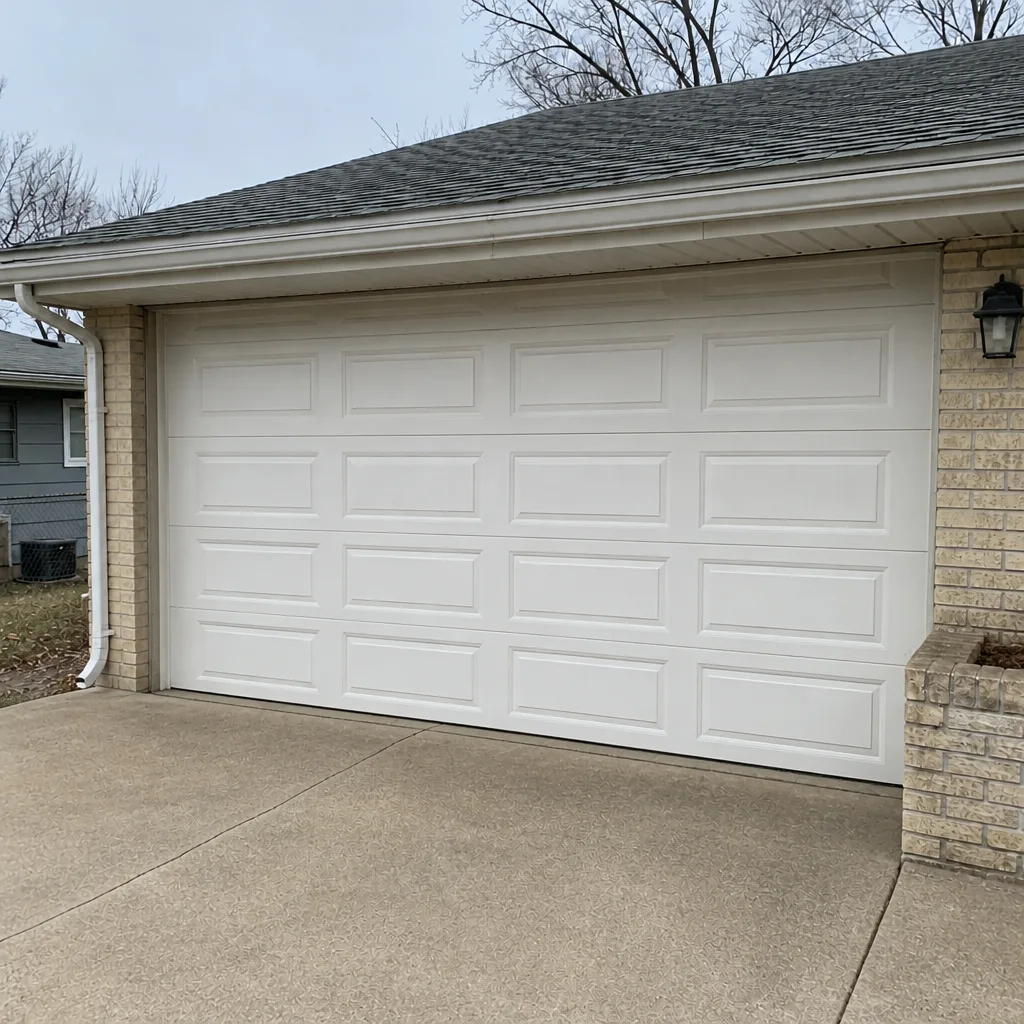
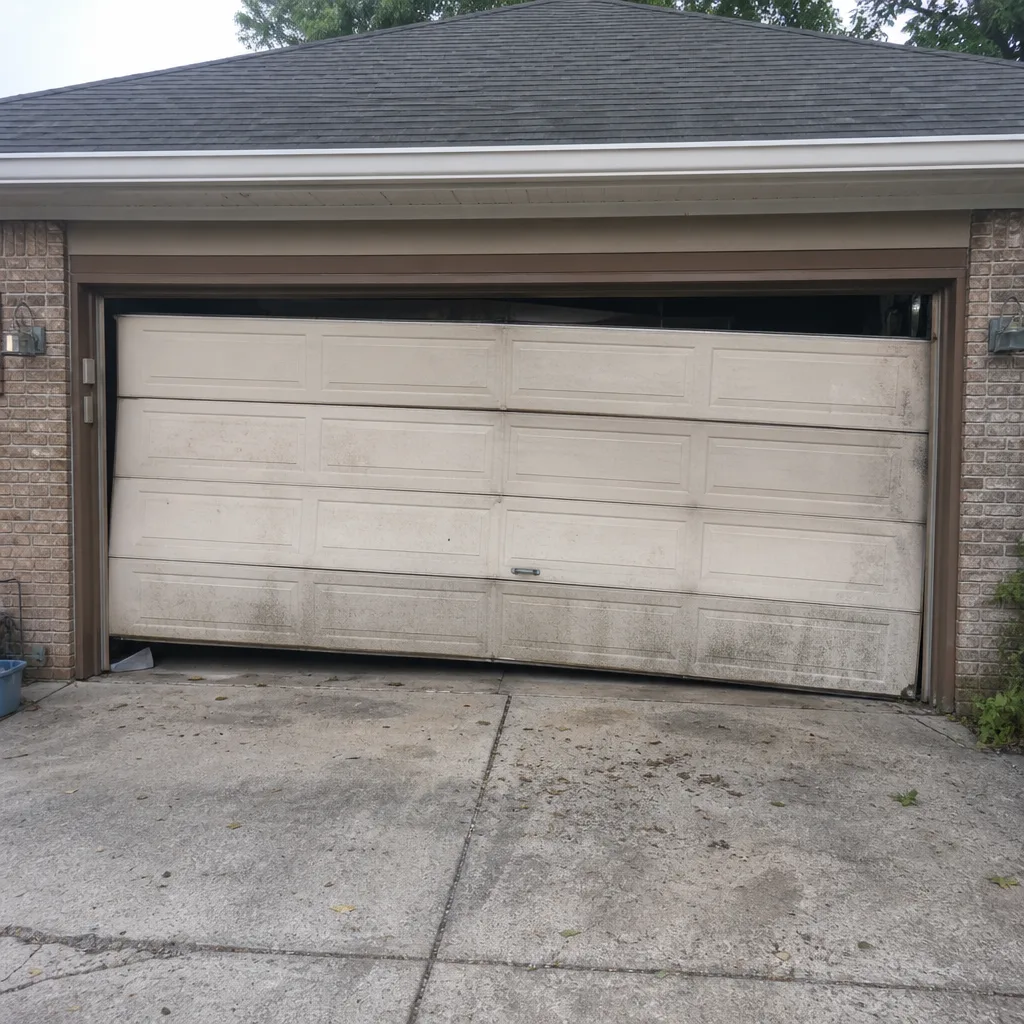
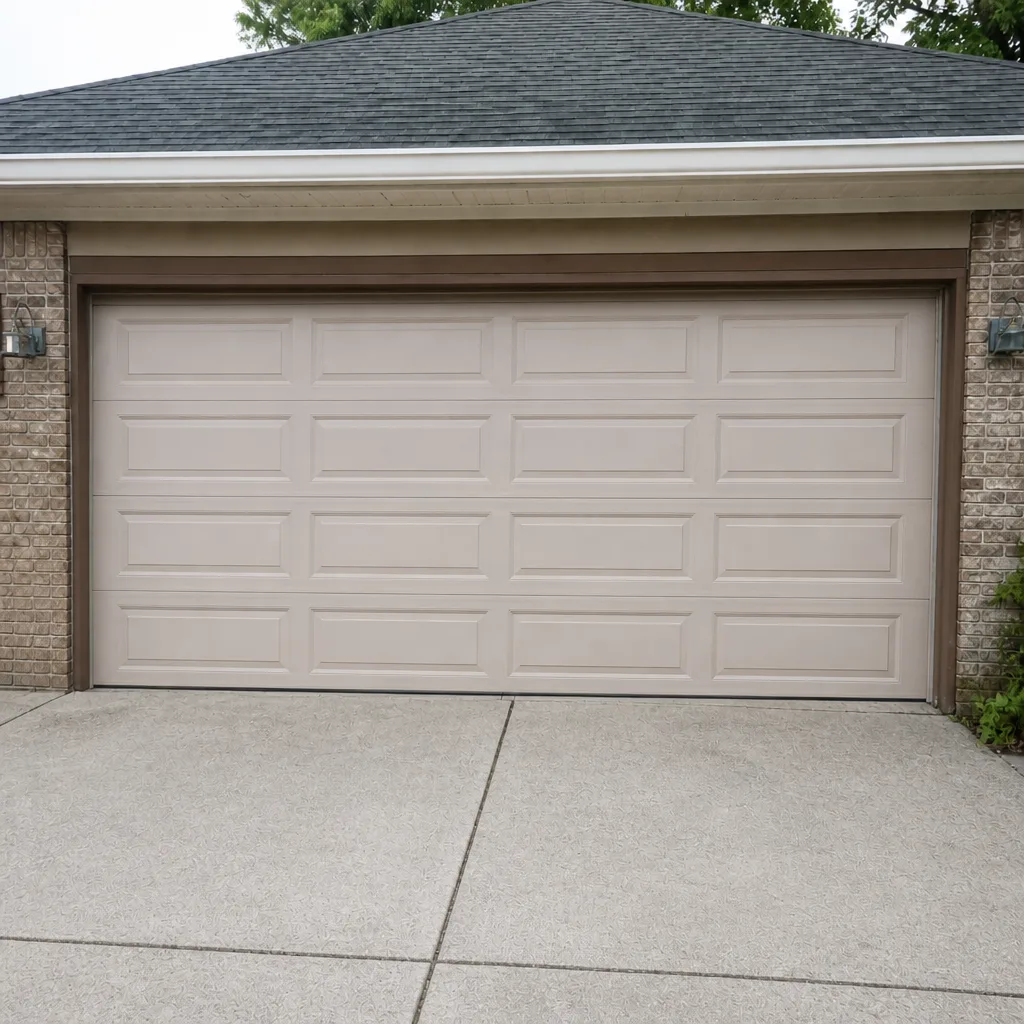
See the difference
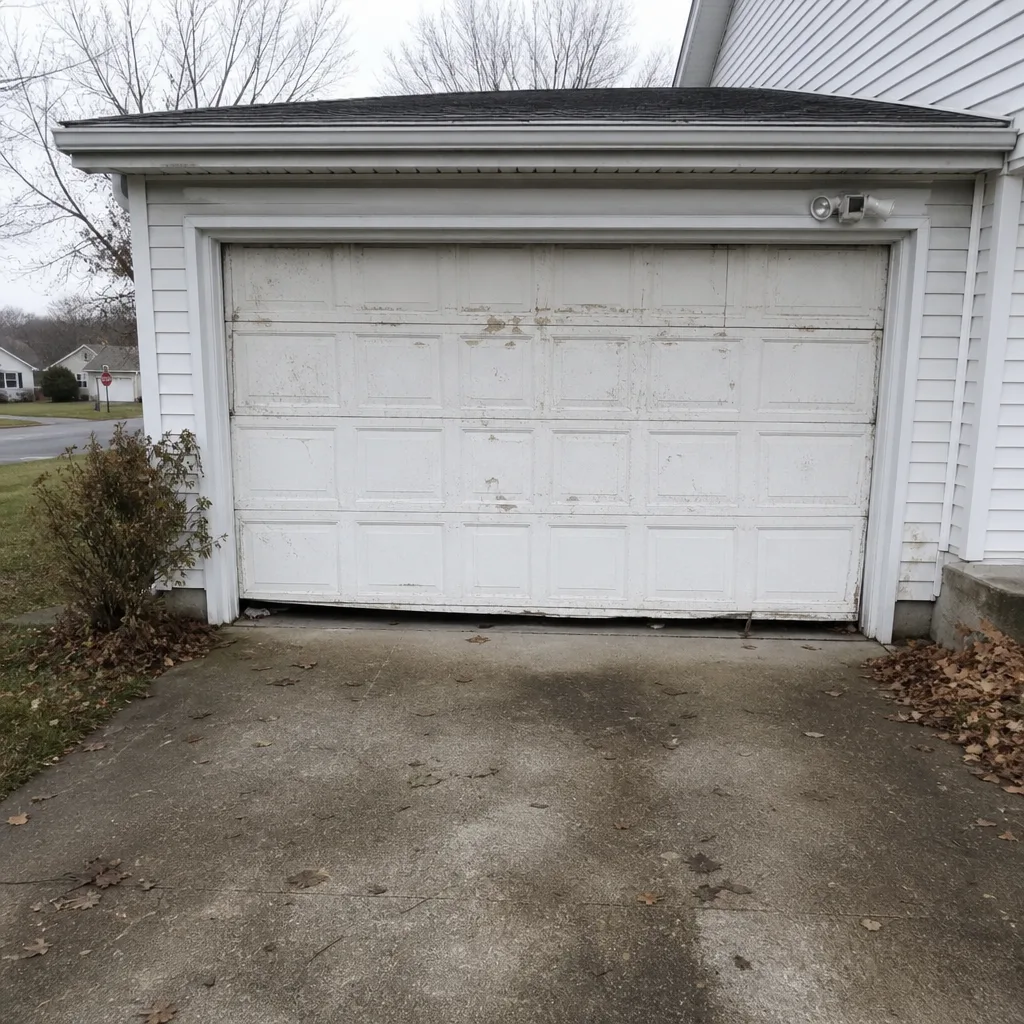 Before
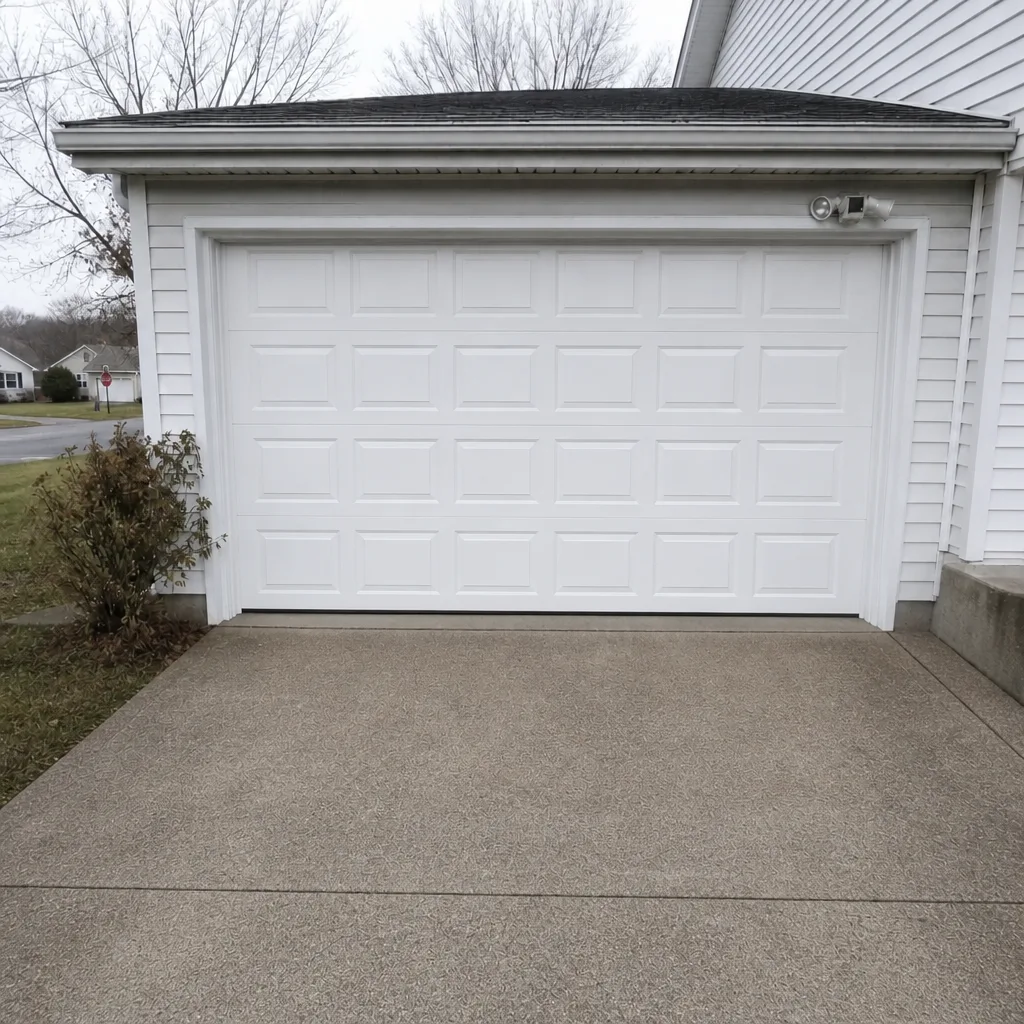 After
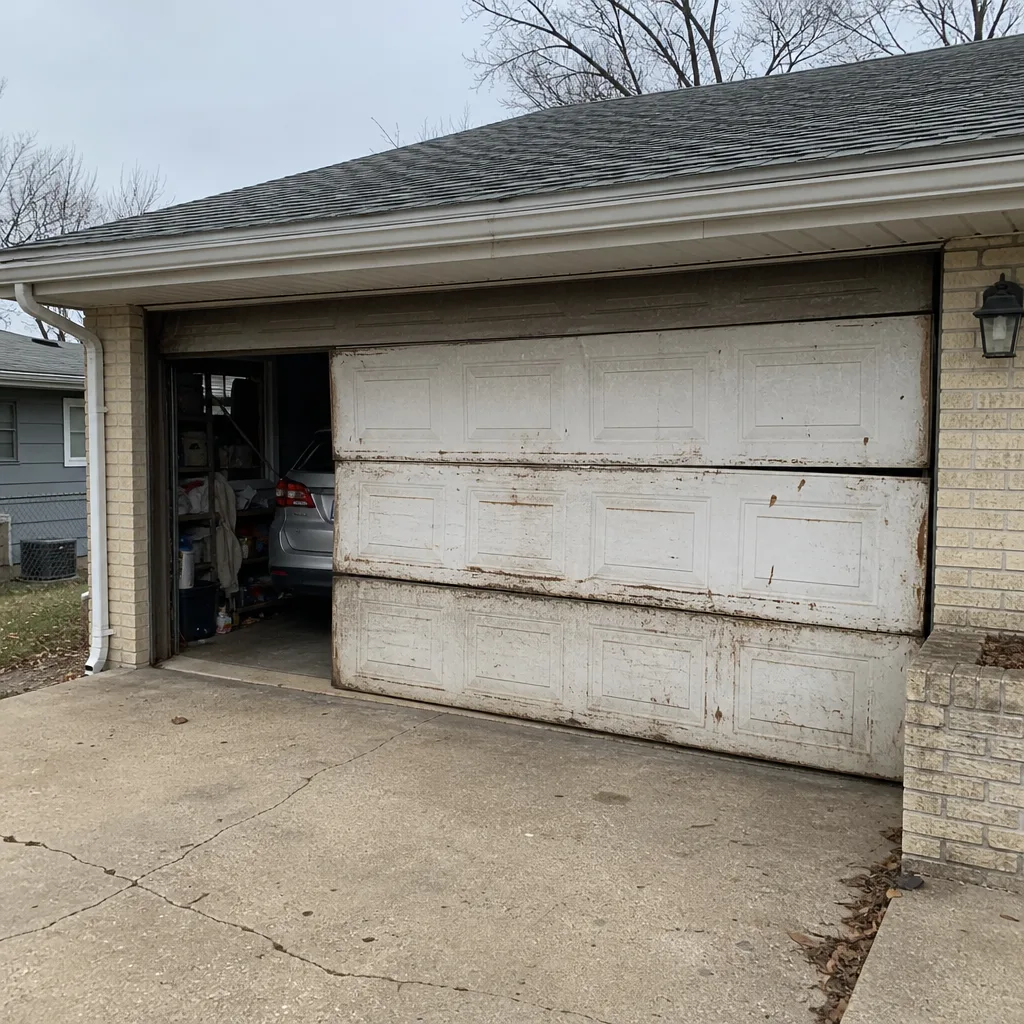 Before
 After
 Before
 After
When to Call a Professional
Call a professional the moment the job involves the spring system, the cables, the tracks or anything that involves lifting a door that’s come loose. Also call if the door fails the balance test, if the opener reverses at the wrong point, or if the door has started running loudly and unevenly. Those are signs the spring, the rollers or the opener are strained and a repair now is cheaper than a replacement later. St. Charles Garage Door Repair Co offers free estimates in St. Charles, and the price is quoted and agreed before any work starts. We work on the springs, rollers, weather stripping and opener on most major door brands, and we’ll tell you whether the part needs repair or replacement. Call (877) 473-4275 to book an estimate.
What sets the work apart is familiarity with the actual system in your garage. We’re certified to service eight of the most widely installed garage door and opener brands in North America: LiftMaster, Chamberlain, Genie, Clopay, Amarr, Wayne Dalton, Craftsman and Raynor. That matters because a door diagnosed accurately the first time doesn’t come back for a second visit. When a technician already knows how a Clopay or Amarr door is built and how a Genie or LiftMaster opener behaves, the guesswork drops and the repair is quicker. It also means you don’t need a different contractor as the job grows from a sensor cable to a full door replacement. The same team handles it. If you’ve been meaning to get the door looked at, this is the point in the checklist to make the call, garage door opener repair included.
Frequently Asked Questions
A quick visual check once a month and a full 30-minute inspection twice a year is the right rhythm for a St. Charles home, with the fall inspection being the most important. The fall pass should include lubrication, a fastener check, a seal inspection and a balance test so the door is ready for the cold. If your door runs more than a dozen times a day, shorten the interval. Call (877) 473-4275 for a free estimate if you’d rather have it checked by a technician.
There’s no single figure because the price depends on the spring, the door’s weight and how many springs are involved. In our experience, spring repair is the job homeowners underestimate most, so an honest estimate matters more than a low number. The written estimate sets the final price, and it’s quoted before any work starts. Call (877) 473-4275 for an exact quote; estimates are free.
Repairs can usually be scheduled for the same day. We answer 24/7, and fast dispatch runs from 7am to 7pm, Sunday through Friday. A call outside dispatch hours is booked into the next opening, Sunday through Friday, 7am to 7pm. Call (877) 473-4275 to get on the schedule.
No. The price is quoted and agreed before any work starts, so the written estimate is what you pay for the job as scoped. If we find something extra while working, we’ll explain it and get your approval before adding it. That’s the rule on every job, whether it’s spring repair, a roller replacement or a new opener. Call (877) 473-4275 for a free estimate.
Most repeat spring failures come down to cycle count and lubrication, not bad luck. A door that runs more than a dozen times a day wears springs faster, and a door that goes into winter dry will lose them sooner. In St. Charles, a pre-winter lubrication and balance check is the single best defense. If a spring has failed again, it’s worth having the whole system checked rather than replacing just the spring. Call (877) 473-4275 for an assessment.
Yes. The local professionals we connect you with are state-licensed and insured as their state requires, and they’re experienced on the most common door and opener brands. Our technicians have up to 14 years of experience, including spring and opener work that most generalists avoid. Call (877) 473-4275 for details or a free estimate.
The Bottom Line
A garage door maintenance checklist is only useful if it tells you what breaks and when. The pattern in St. Charles is clear: the moving parts, the seals and the springs carry the wear, and the cold, dry winter is when most of it happens. A 5-minute monthly look keeps you ahead of the small stuff. A 30-minute twice-yearly inspection, especially before winter, is what actually prevents the expensive failures. And any sign of a broken spring, a frayed cable or a door off its track is a stop-and-call situation, not a maintenance task. Do the small checks, respect the spring, and your door will last longer and quieter. If a part’s already failing, our team is ready to help at St. Charles Garage Door Repair Co.
When a door won’t run right, or you’d rather have a technician do the fall inspection before the cold hits, call St. Charles Garage Door Repair Co at (877) 473-4275 for a free estimate. We answer 24/7. Fast dispatch from 7am to 7pm, Sunday through Friday. The price is quoted and agreed before any work starts, so you always know what the job will cost.
Written by the team at St. Charles Garage Door Repair Co.