
Last updated November 22, 2026
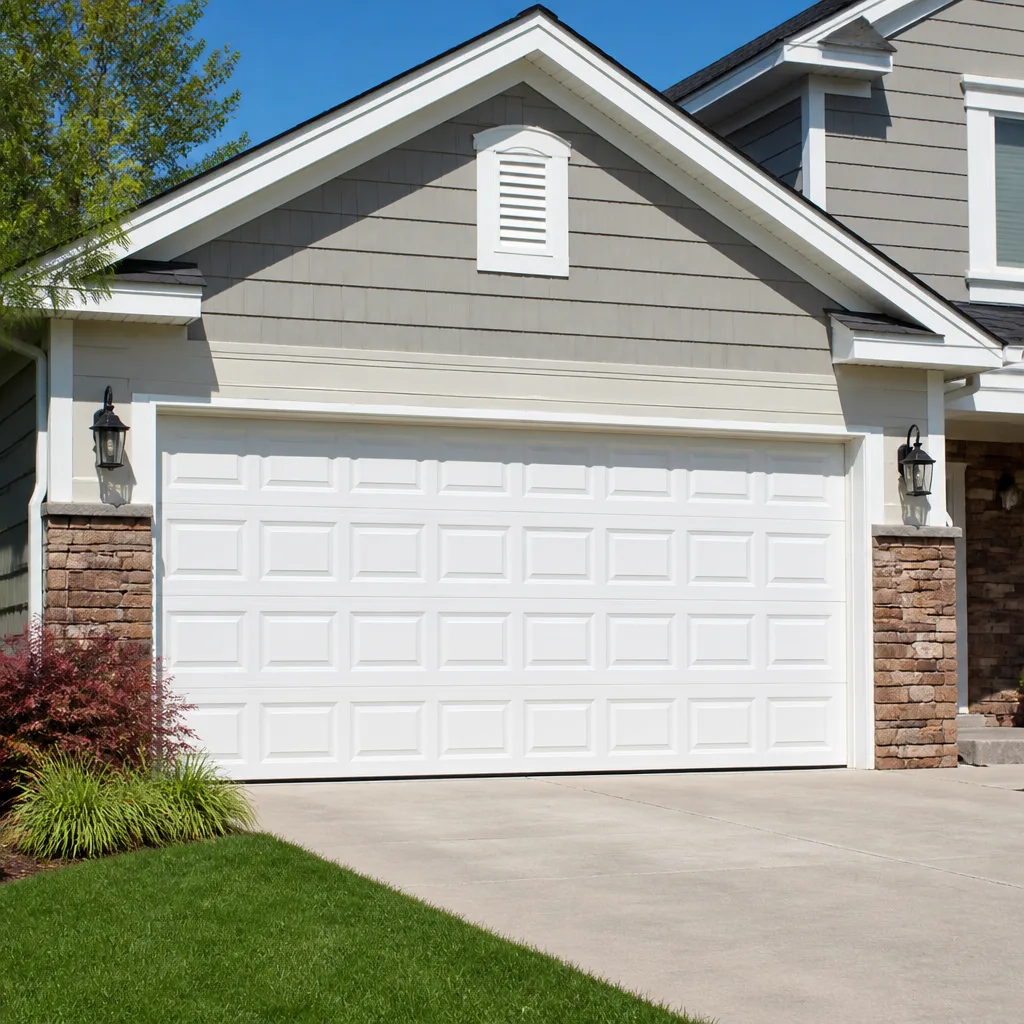 Raised-panel steel
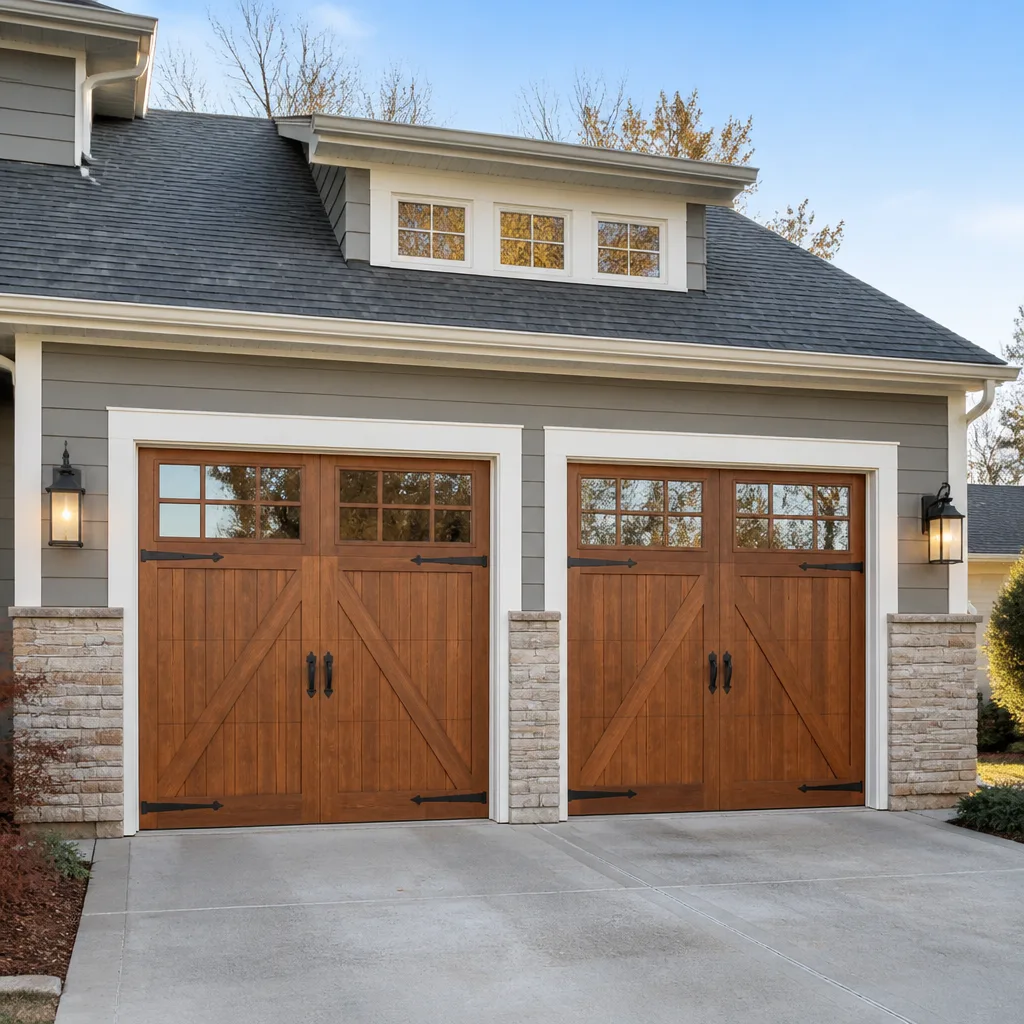 Carriage house
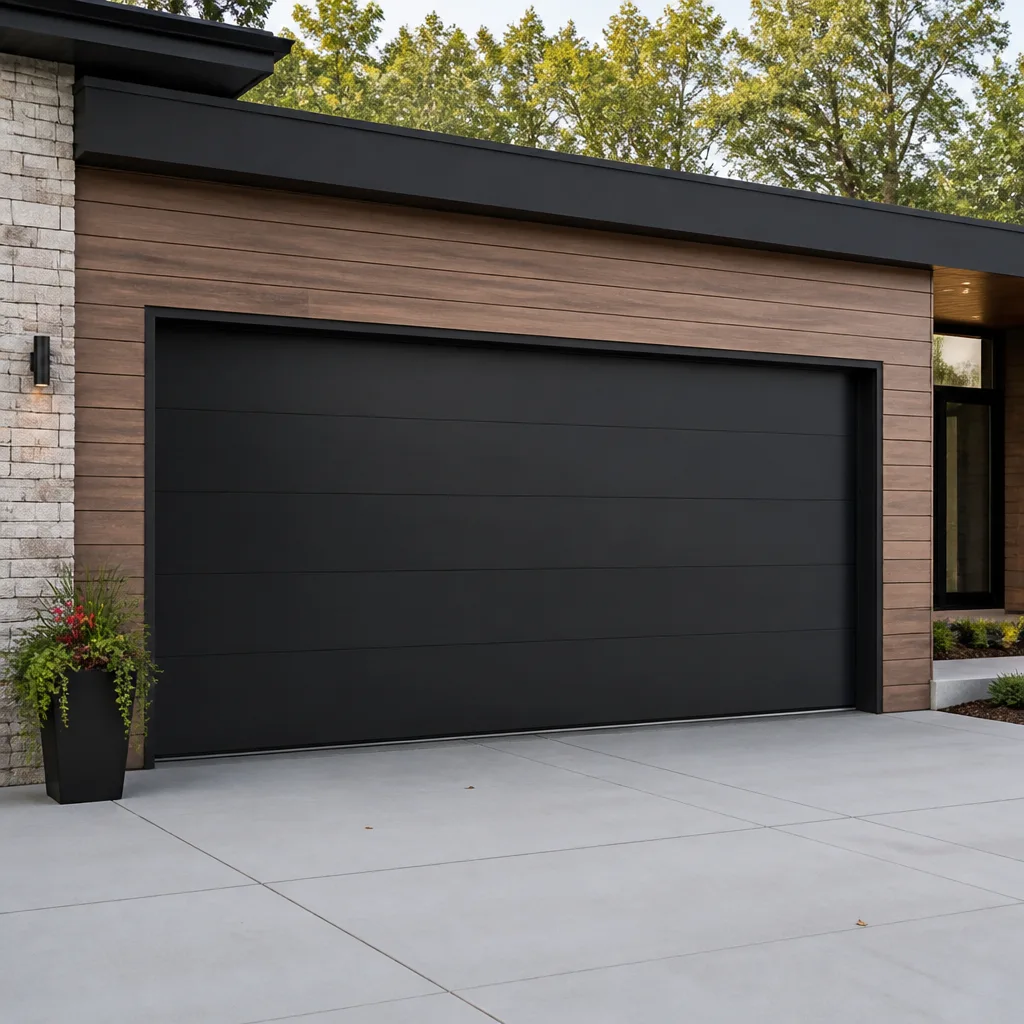 Modern flush
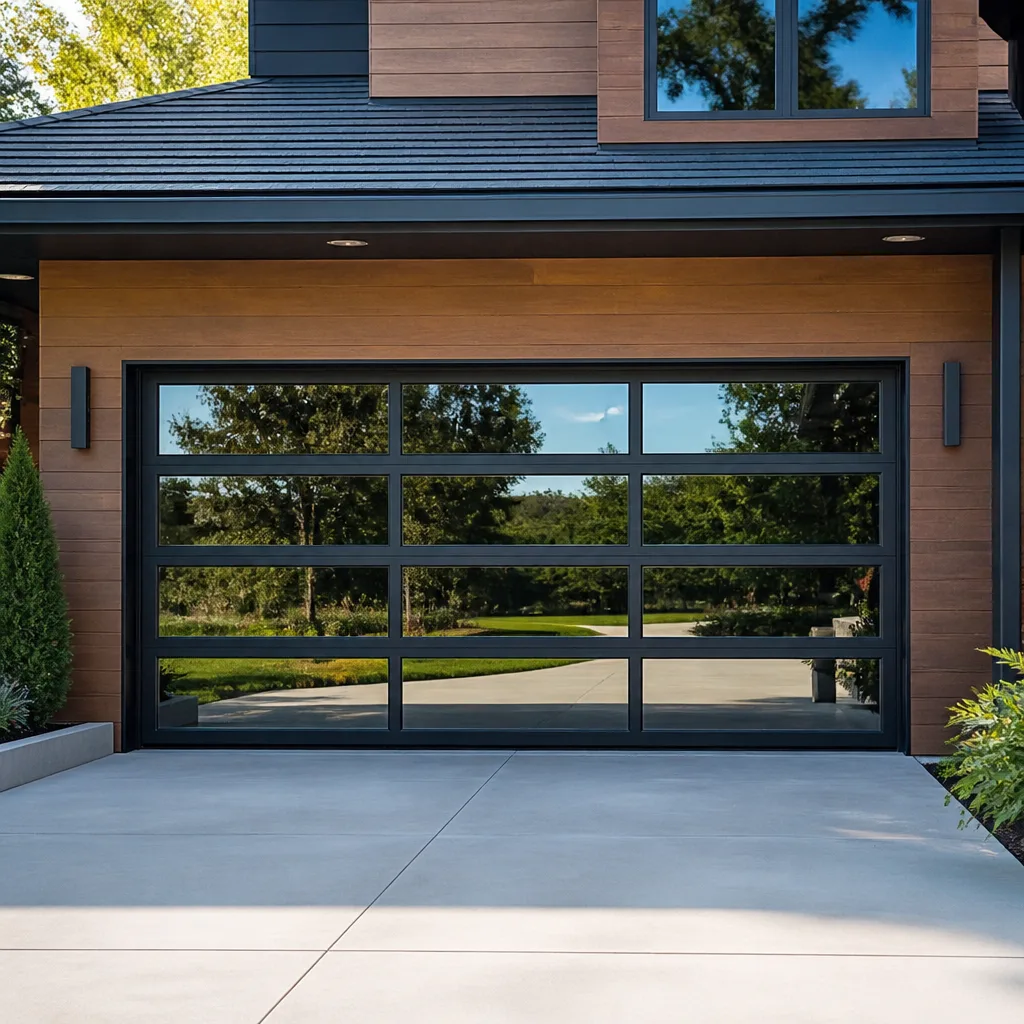 Full-view glass
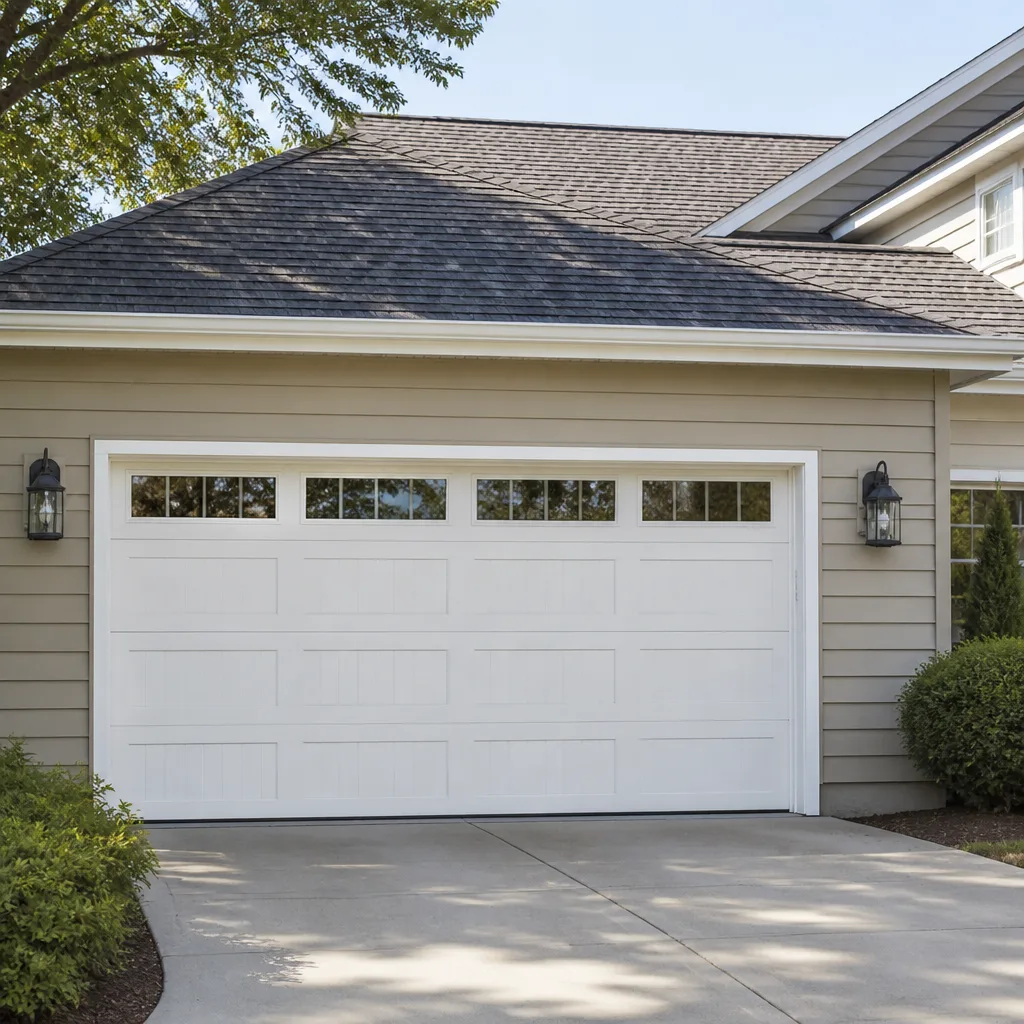 LiftMaster openers
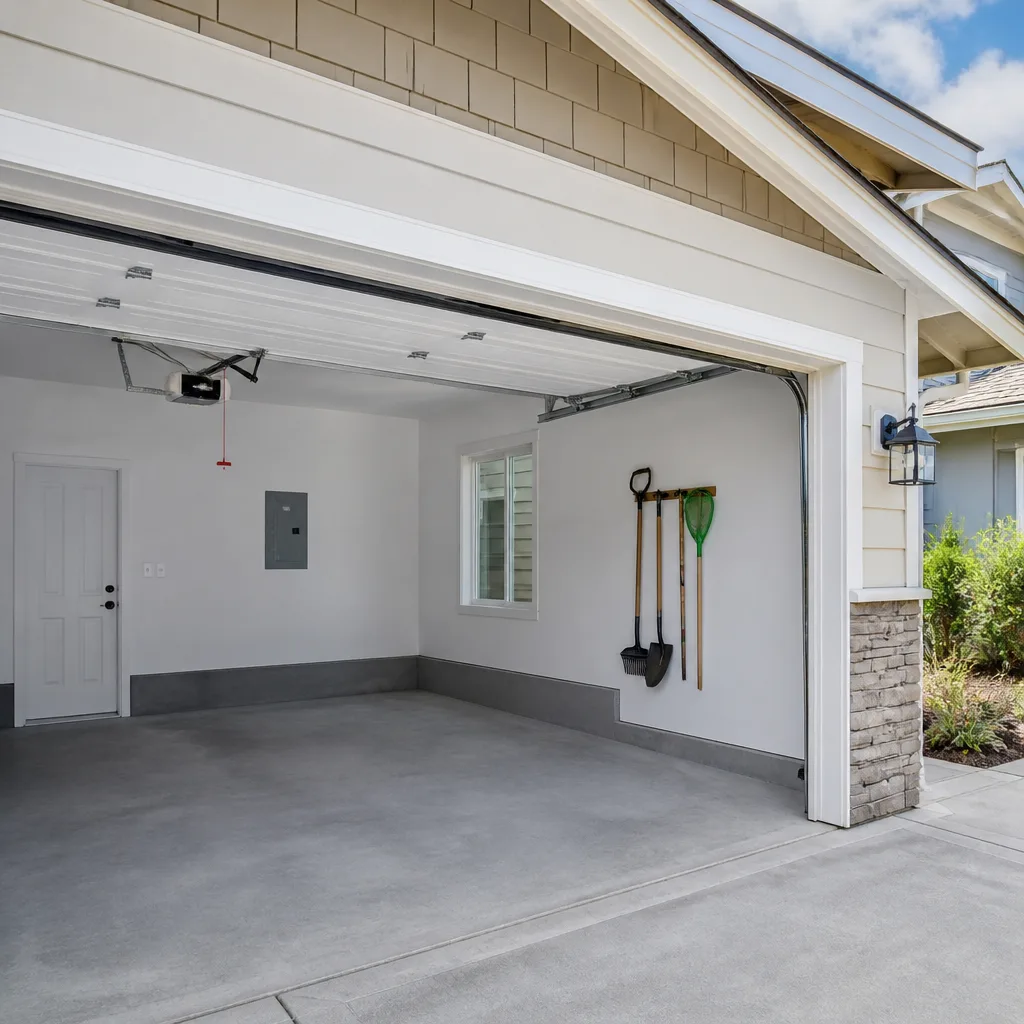 Chamberlain openers
Full 25-point door and opener safety check with every visit - springs, cables, rollers, tracks, and your LiftMaster or Chamberlain opener included
You get a price before we start. It does not change when the pro arrives.
Get your free estimateGarage Door Permits, Codes & Inspections in St. Charles, MO: What You Need to Know
Most homeowners assume a building permit is something you only need when you’re adding a room or pouring a foundation. A garage door swap? That’s just replacing a part, right? Not always. In St. Charles County, the trigger points are specific, and they catch people off guard: the dimensions of the replacement door, the voltage of a new opener, and any structural change to the header above the opening. This guide maps out exactly when a permit is required, who’s responsible for pulling it, what inspectors look for during a garage door inspection in St. Charles, and how unpermitted work surfaces at resale. Whether you’re in O’Fallon, Wentzville, or an older neighborhood closer to the river, knowing the rules before you start saves you from a costly surprise down the road.
Quick Answer
St. Charles County generally requires a permit for new garage door installations, for replacements that change the door’s dimensions or the opening’s structure, for opener upgrades where new wiring or higher voltage is involved, and for any structural header changes. A true like-for-like swap of the same size door with no structural or electrical changes often does not require a permit, but you must confirm this with the city or county building department before work begins. Getting the permit first is always cheaper and simpler than fixing an unpermitted installation later.
Styles & brands we work with
- Raised-panel steel
- Carriage house
- Modern flush
- Full-view glass
- LiftMaster openers
- Chamberlain openers
Table of Contents
- When St. Charles County Requires a Permit for Garage Door Work
- How to Pull a Permit Yourself vs. Having Your Contractor Pull It
- What Inspectors Actually Look For During a Garage Door Inspection
- How Unpermitted Work Shows Up During a Home Inspection
- Municipal vs. County Jurisdiction in the St. Charles Region
- Do Opener Upgrades Require a Permit?
- Springs, Cables, and Safety Codes
- The Permit Process, Step by Step
When St. Charles County Requires a Permit for Garage Door Work
The short version: a like-for-like replacement of an existing door in the same opening, with no structural or electrical changes, usually does not need a permit. Everything beyond that gets murky fast, and “murky” is where homeowners get burned. Here are the situations in St. Charles County that typically do require a permit:
- New construction or a new opening: Any time a garage door opening is being created, widened, or moved, a permit is required. This is structural work.
- Replacement with different dimensions: If the new door is wider or taller than the old one, or if the opening needs to be reframed to fit it, you’re into permit territory.
- Structural changes to the header: The header above a garage door bears the weight of the wall above it. Any change to its size, material, or support requires a permit, and usually an engineered drawing.
- Opener upgrades with new wiring: Swapping a plug-in opener for a hardwired unit, or upgrading to a higher-voltage system, generally requires an electrical permit. The rules vary by municipality, so confirm with the local building department.
- Converting a garage to living space: If you’re turning the garage into a room and changing the door opening, that’s a significant structural and zoning project with its own permit stack.
For St. Charles, MO, the best move is a quick call to the city’s building department. They’ll tell you in a few minutes whether your specific job needs a permit. Don’t rely on a contractor’s word alone unless they’re willing to put it in writing. We’ve seen plenty of St. Charles homeowners assume a permit wasn’t needed because the old door came out and a new one went in. Sometimes they’re right. Sometimes they’re not, and the difference shows up years later.
One local wrinkle: St. Charles County weather swings between humid summers and cold winters, which means the wood framing around garage openings takes a seasonal beating. If your replacement involves repairing rot around the opening, that repair work is exactly the kind of structural fix that triggers a permit. A garage door repair that’s purely mechanical (rollers, cables, springs) usually stays out of permit territory. Repairs that touch the building’s structure generally don’t.
How to Pull a Permit Yourself vs. Having Your Contractor Pull It
You have two options for the permit, and each carries different liability.
Option 1: You pull the permit
As the homeowner, you can apply for the permit yourself. You’ll fill out the application, submit any required drawings or product specs, and pay the fee. The advantage is control: you know the permit exists, and you’re the point of contact with the inspector. The downside is legwork, plus you’re the one responsible if the work doesn’t pass inspection. If the contractor walks away, the correction is on you.
Option 2: Your contractor pulls the permit
Most reputable installers will pull the permit for you, but you need to confirm two things in writing before work starts: that the permit is included in the scope, and that the contractor carries the appropriate state-issued license for the work. In Missouri, licensing requirements vary by municipality, so ask the local building department what’s required in St. Charles County and verify. If a contractor says, “You don’t need a permit for that,” ask them to put that in writing. A legitimate installer won’t blink. A fly-by-night operator will.
The liability question is the reason this matters. If a contractor installs without a required permit, the permit record lists no responsible party, and you’re the one holding the bag when a home inspector or appraiser flags it. You, the homeowner, are legally responsible for the property’s compliance regardless of who did the work. That’s why the permit should never be an afterthought.
What Inspectors Actually Look For During a Garage Door Inspection
A garage door inspection in St. Charles isn’t a rubber-stamp visit. Inspectors are checking specific safety and structural items, and they know what a shortcut looks like. Here’s what they focus on:
- Wind load rating: Garage doors are rated for wind resistance, and the installation must match the rating required for the area. A door rated for a lower wind load than the opening requires won’t pass. In a region that sees strong spring storms and occasional straight-line winds, this is not a formality.
- Spring containment: Extension springs should have a containment cable running through them, and torsion springs mounted correctly with the proper hardware. Inspectors look for this because a failed spring with no containment is a serious injury risk.
- Opener auto-reverse: Every opener installed on a permitted job must have a working auto-reverse function. The inspector will test it, usually by placing an object in the door’s path and confirming it reverses. Modern openers from LiftMaster, Chamberlain, and Genie all have this, but the installation has to be correct for it to work.
- Photo-eye sensors: The safety sensors at the bottom of the door tracks must be mounted, aligned, and functioning. An inspector will check that the door reverses when the beam is broken.
- Attachment and anchoring: The door must be properly secured to the framing, with correct fasteners and anchors for the material. Any rot or damaged framing around the opening will be noted.
- Clearances: The door must open and close without obstruction, and the tracks and hardware must be mounted within code clearances.
If the inspection fails, you get a list of corrections. Fixing them after the fact usually costs more than doing it right the first time, mainly because it may require a second trip and possibly a second inspection fee. This is why the written estimate and the permit application need to match. If your installer’s scope says “remove and replace existing door, same size,” and the permit application says the same, inspection is straightforward.
We’ve walked St. Charles homeowners through the inspection process on installations across the area, and the jobs that pass cleanest are the ones where the contractor and the permit application agree on every detail. If you’re scheduling a full installation of a Clopay or Amarr door, the permit and inspection piece should be part of the conversation from day one, not something you discover later.
How Unpermitted Work Shows Up During a Home Inspection
This is where the cost of skipping a permit becomes visible. When you sell a home in St. Charles County, a buyer’s home inspector will look at the garage, and a missing permit or an unpermitted installation can become a disclosed defect. The inspector may not know for certain that no permit was pulled, but the clues are often there: hardware that doesn’t match code, spring containment missing, a door dimension that doesn’t fit the opening cleanly, or an opener wired in a way that raises an eyebrow.
Here’s how it typically plays out:
- Disclosure: A savvy buyer asks for permit records. If the garage install isn’t in the records, the buyer’s agent has questions.
- Inspection: The home inspector flags the installation as possibly non-compliant or unverified, which goes into the report.
- Negotiation: The buyer asks for a credit or asks you to pull a retroactive permit and pass inspection. Retroactive permits are possible in many jurisdictions, but they often require opening walls or exposing framing, which is expensive.
- Appraisal: In some cases, an appraiser notes the unpermitted work, which can affect the appraisal and, in turn, the sale terms.
- Delay or lost sale: If the correction isn’t quick, the sale can be delayed or fall through.
The fix after the fact isn’t cheap, but here’s the important part: the problem usually isn’t the door itself. It’s the lack of documentation and the cost of retroactively proving compliance. A door that works perfectly but was installed without a required permit can still be a thorn at resale.
Municipal vs. County Jurisdiction in the St. Charles Region
St. Charles County is a patchwork of incorporated cities and unincorporated areas, and jurisdiction matters. If your home is inside O’Fallon, Wentzville, or the City of St. Charles, the municipal building department sets the permit rules. If you’re in unincorporated St. Charles County, the county handles it. The rules are similar in broad strokes but not identical, and the permit process, fee schedule, and inspection timeline can vary.
Here’s what that means for you:
- In O’Fallon: Confirm the permit requirement with O’Fallon’s building department. The city has its own review process, and the permit application may require specific product documentation for the door.
- In Wentzville: Wentzville has grown quickly, and its permit office is familiar with residential garage door installations. Ask what documentation they need with the application.
- In the City of St. Charles: The city runs its own permit office for properties within its limits. Older neighborhoods near the river may have different structural considerations than newer subdivisions on the edges.
- Unincorporated county: The county building department handles permits for these addresses. You’ll want to confirm boundaries, because a mailing address sometimes doesn’t match the jurisdiction.
Don’t assume your contractor knows which jurisdiction applies. Give them your address, and confirm they’ve pulled permits in that jurisdiction before. If they haven’t, call the building department yourself and ask. It’s a five-minute call that can save you weeks.
Do Opener Upgrades Require a Permit?
Sometimes yes, sometimes no, and the difference usually comes down to whether new wiring is involved. Replacing an existing opener with a plug-in unit is typically not a permit job. Upgrading to a hardwired system, installing a new circuit, or changing the opener’s power supply generally is.
Why the distinction? Building codes treat hardwired electrical work as life-safety territory. A 120-volt circuit run to a garage ceiling needs to be done by a licensed electrician and inspected, regardless of whether the opener itself is a simple replacement. Plug-in units don’t require new wiring, so they often skip the permit process. If you’re replacing a LiftMaster or Chamberlain unit that’s already wired, the swap is usually straightforward. If you’re switching from a plug-in to a hardwired system, check with your city’s building department before the installation.
Here’s a detail most homeowners miss: the photo-eye sensors and auto-reverse function must work after any opener replacement, even if the replacement itself doesn’t require a permit. A licensed installer will verify both before leaving your home, because a door that closes on something or someone is a serious hazard. We treat opener installation and garage door opener repair as a full safety check, not just a parts swap.
Springs, Cables, and Safety Codes
A garage door’s springs and cables are the most dangerous components on the whole system, and the code requirements around them exist for good reason. Torsion springs are wound to enormous tension, and extension springs, if they fail, can throw shrapnel. The safety code requirement is specific: extension springs must have a containment cable running through them, and that cable is not optional.
What inspectors and safety standards focus on:
- Containment cables on extension springs: A steel cable threaded through the spring to catch it if it breaks.
- Correct mounting: Springs must be mounted per the manufacturer’s specs, with the right hardware for the door weight.
- Proper cable condition: Frayed or damaged cables need replacement, not repair. A compromised cable can snap.
- Balance: A properly balanced door lifts with reasonable force and stays put when raised halfway. Poor balance stresses springs and cables and shortens their life.
If a spring or cable is damaged, do not attempt to fix it yourself. Torsion springs and cables are under extreme tension and can cause serious injury if handled without the right tools and training. This is a job for a trained professional with the proper winding bars and safety equipment. Our technicians handle garage door spring repair as a dedicated service because the safety stakes are that high. A matching pair of springs is typically replaced together, so the repair is priced per spring and a pair runs roughly twice the single-spring cost. We’ll confirm the exact scope in a written estimate before any work begins.
The Permit Process, Step by Step
If your job requires a permit, here’s how the process works in the St. Charles area. Details vary by jurisdiction, but the arc is the same.
- Confirm the requirement. Call the building department for your jurisdiction (city or county) and describe your project: new install, replacement, opener upgrade, or structural change. Ask directly whether a permit is required.
- Gather your documentation. You’ll usually need the door’s product specs, including wind load rating, and a description of the installation. For structural changes, you may need engineered drawings.
- Submit the application. File with the appropriate building department. If your contractor is pulling the permit, make sure the application matches the scope of work in the written estimate.
- Pay the permit fee. Fees vary by jurisdiction and project type. The building department will tell you the amount.
- Schedule the inspection. Once the work is done, the inspection must be requested, usually within a set window. The inspector checks the items listed earlier.
- Keep the records. Store the permit and inspection sign-off with your home’s documentation. This is what a buyer’s agent will ask for at resale.
If you’re planning an installation and want to know whether your St. Charles job needs a permit, we’ll help you sort out the answer before any work is scheduled. Our technicians have up to 14 years of experience and are familiar with the local permit requirements across the St. Charles region. We’ll also walk you through the door options and confirm which brands fit your opening correctly, so the permit application and the actual job match.
Common Mistakes to Avoid
- Assuming a replacement never needs a permit. A true like-for-like swap often doesn’t, but a dimension change or structural repair does. Confirm before you buy the door, not after.
- Letting a contractor say “no permit needed” without written confirmation. If the work later fails inspection, you’re the one responsible. Get it in writing.
- Pulling the permit after the job is done. Retroactive permits are possible in some jurisdictions but often require exposing walls or framing, which is far costlier than doing it first.
- Mismatching the permit application and the estimate. If the permit says “same-size replacement” but the scope involves reframing, the inspection will catch it. Make sure both documents describe the same job.
- Skipping the opener safety check. Even a permit-free opener swap should include a test of the photo-eye sensors and auto-reverse. A door that closes on something is a hazard.
- DIY spring repair. Torsion springs and cables are under extreme tension. This is the one repair to never attempt yourself. Call a trained technician.
- Not checking your jurisdiction. O’Fallon, Wentzville, and the City of St. Charles each run their own permit processes. Make sure you’re filing with the right office.
See the difference
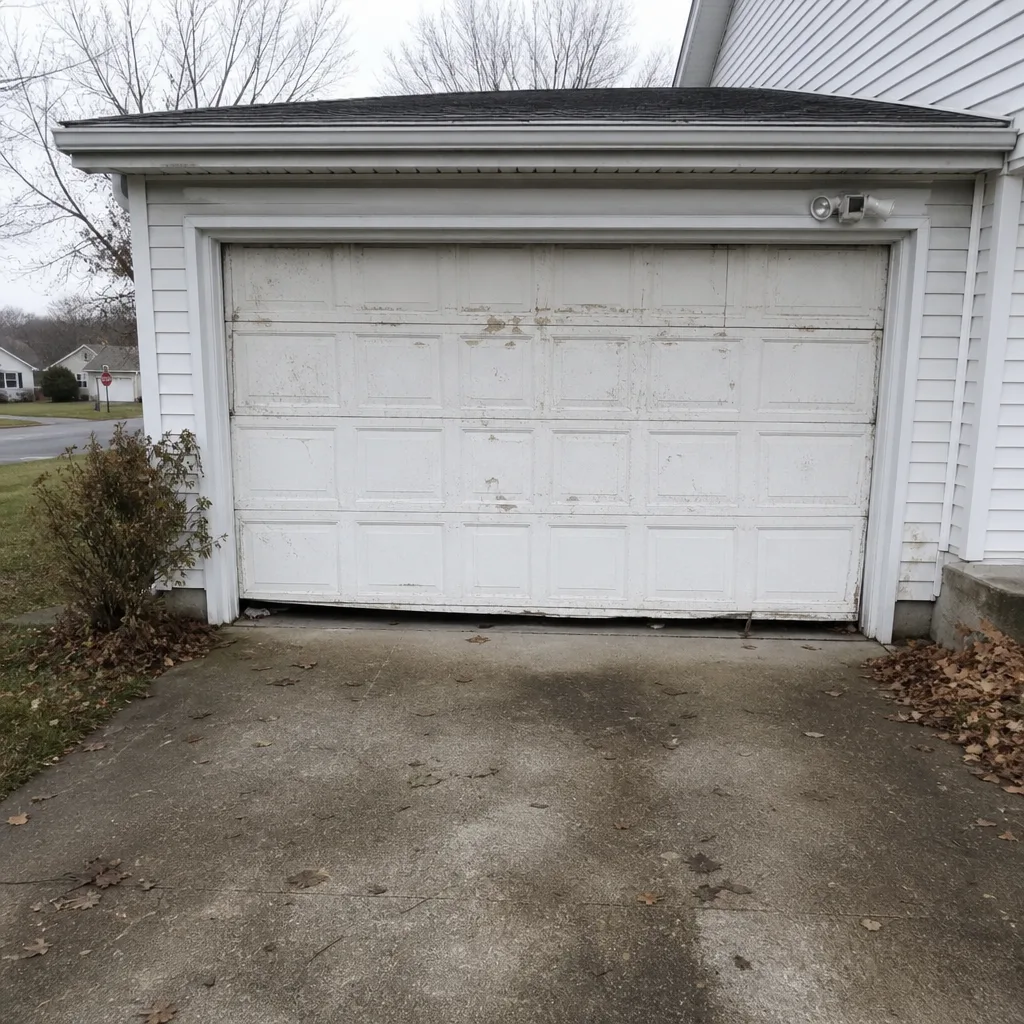 Before
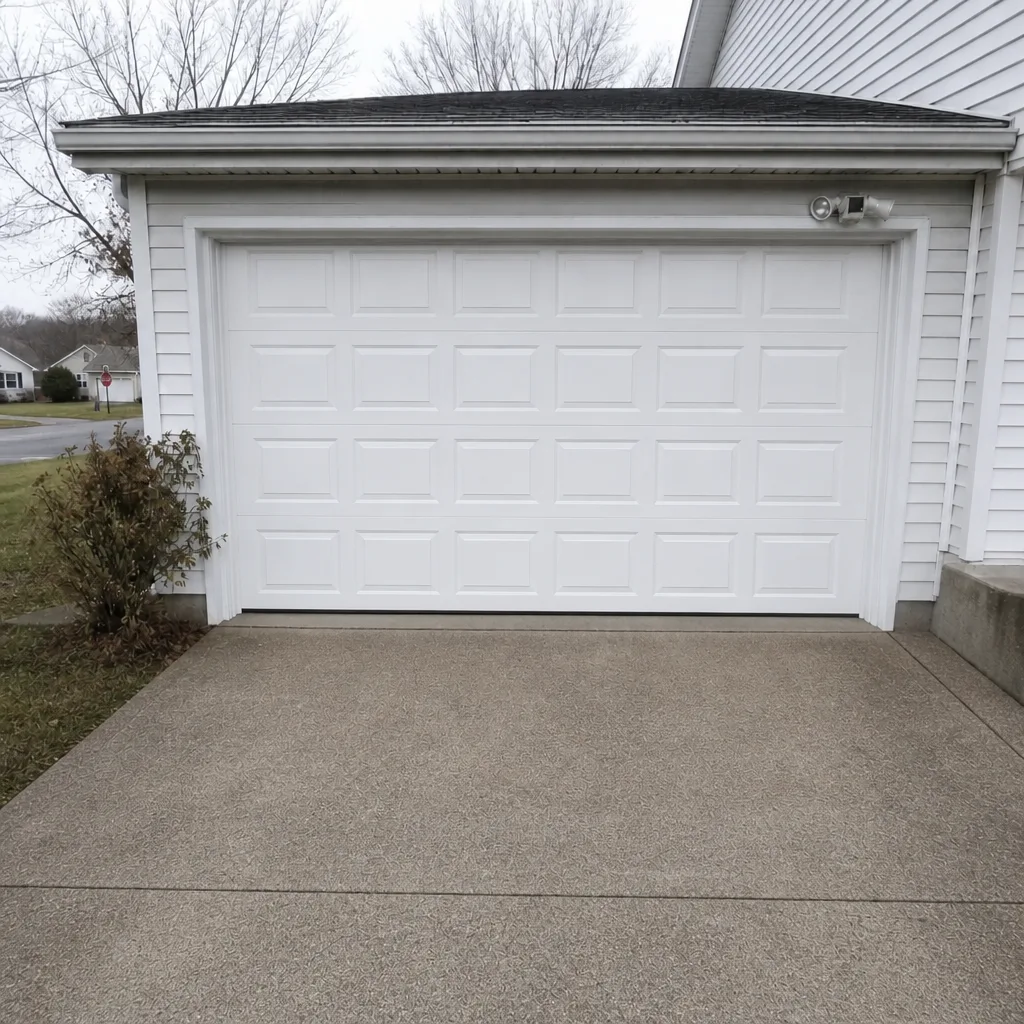 After
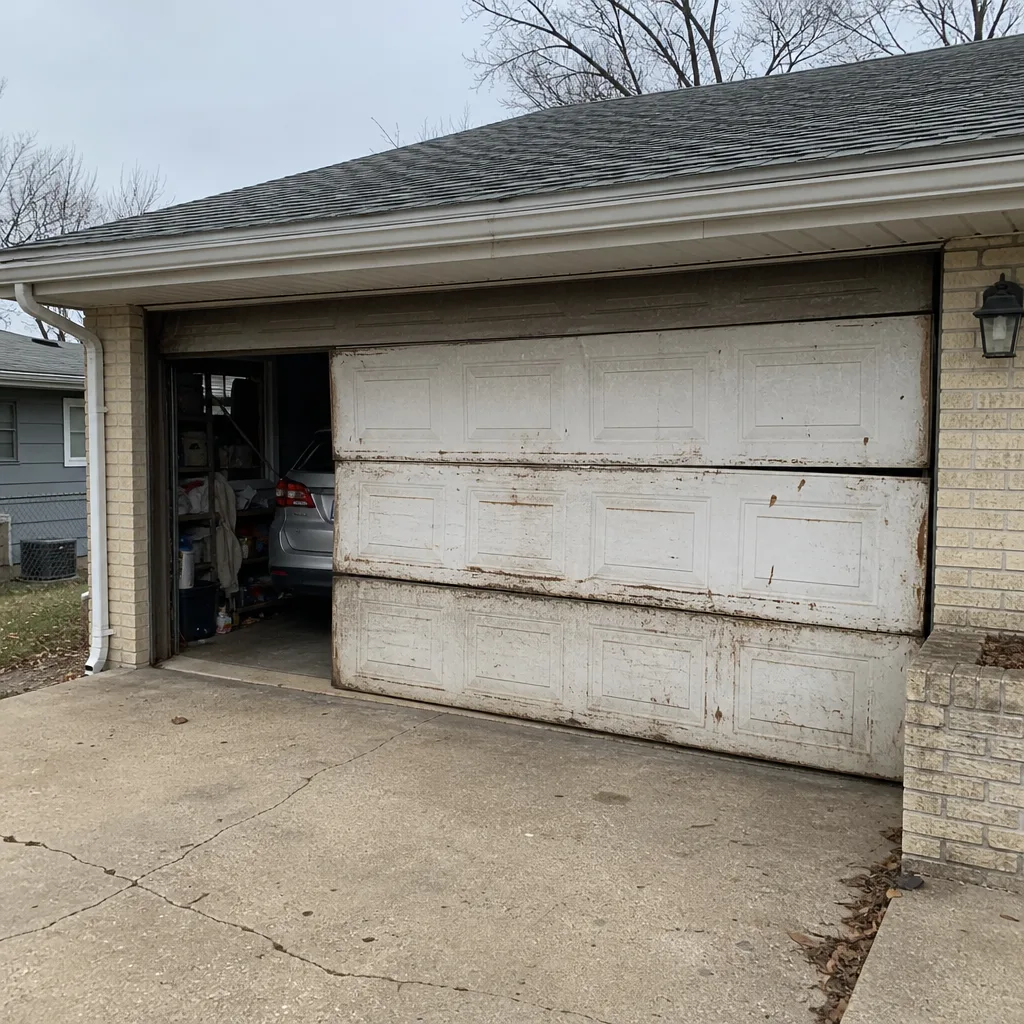 Before
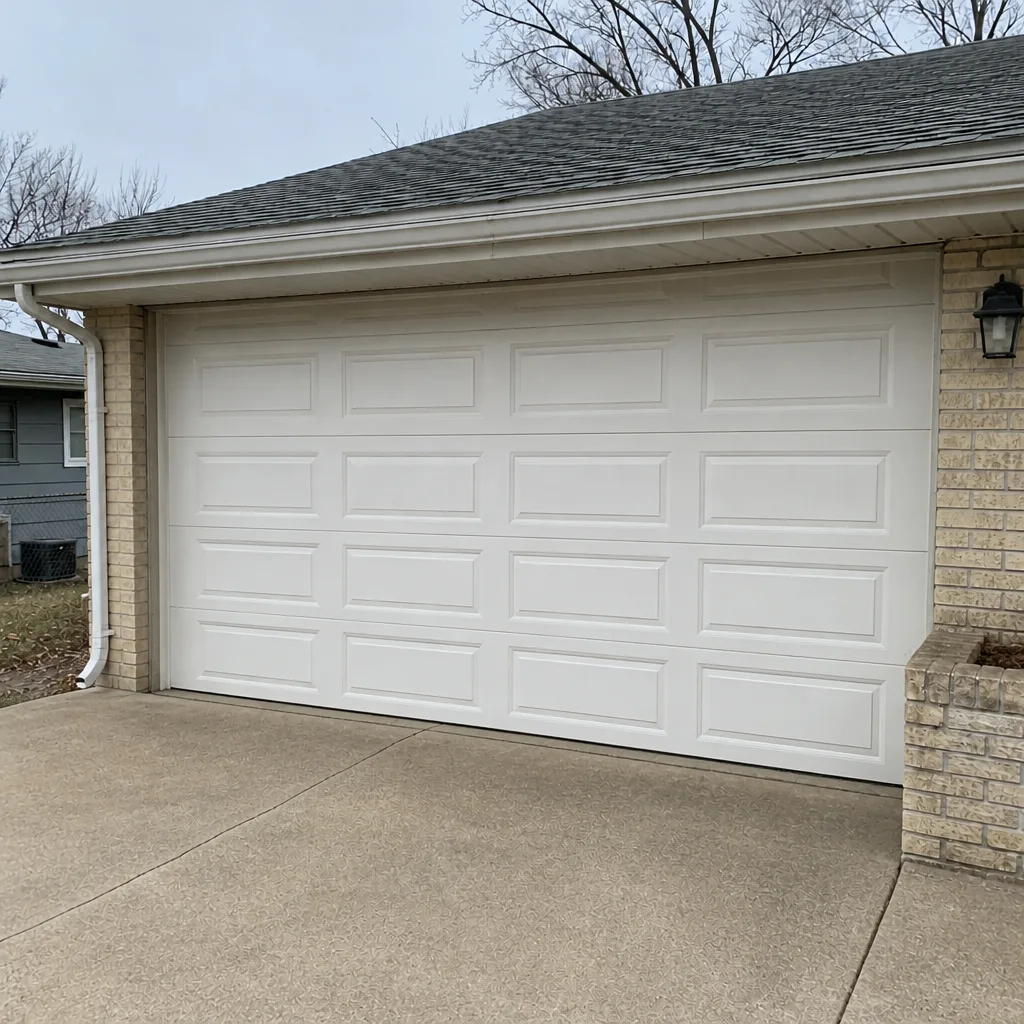 After
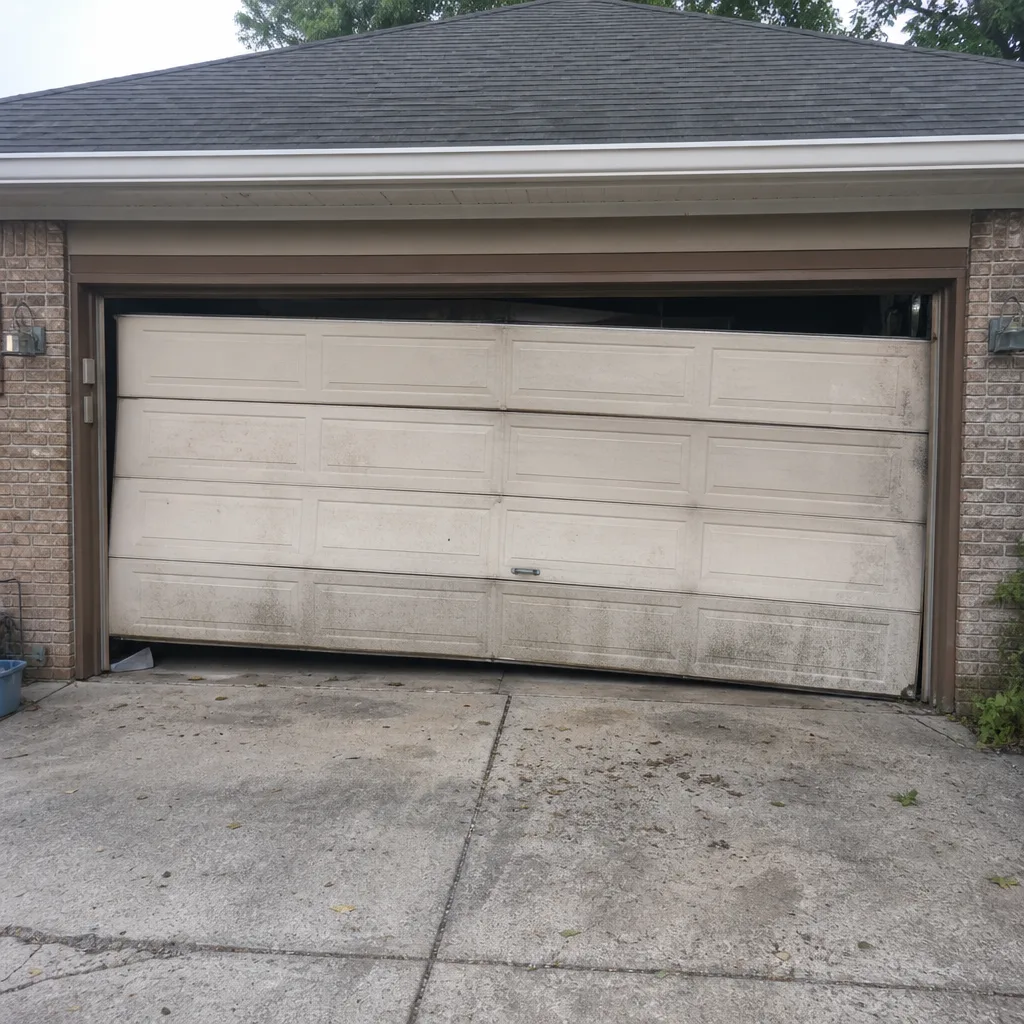 Before
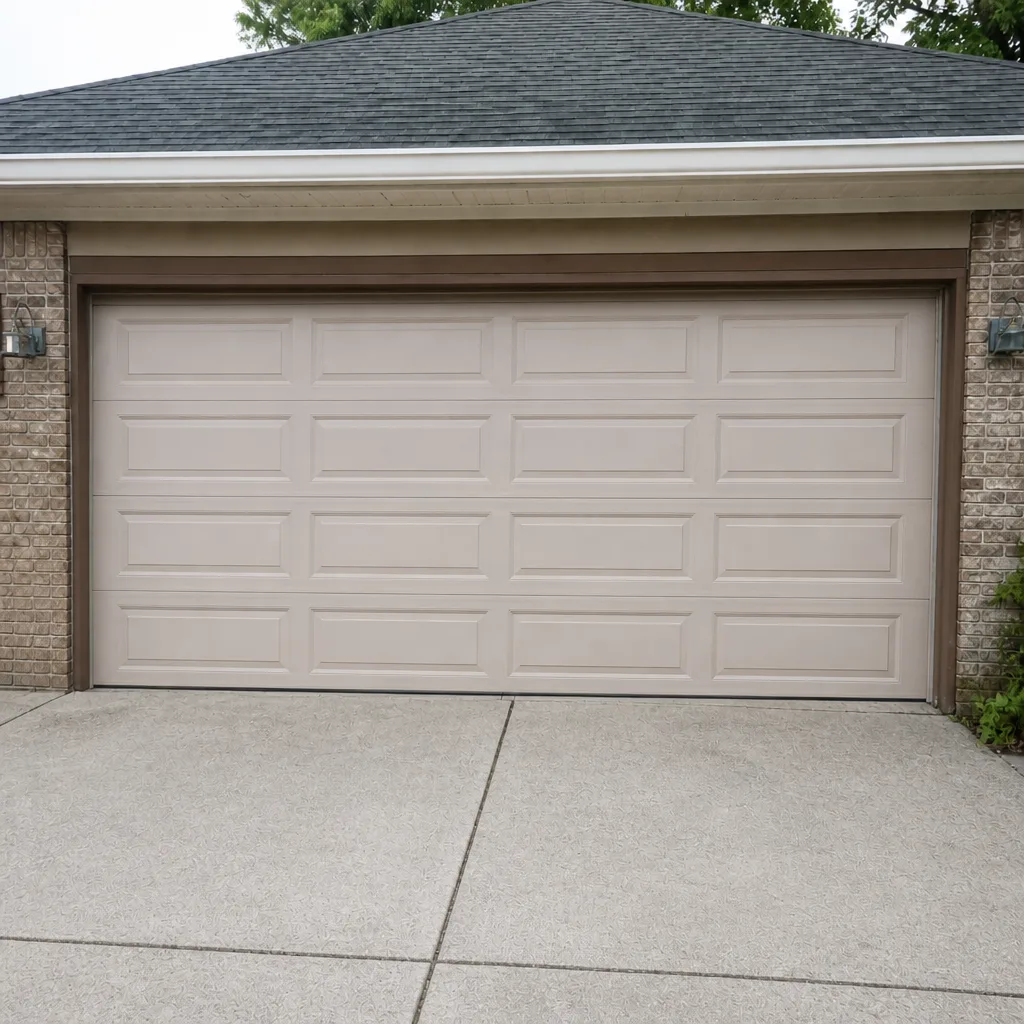 After
When to Call a Professional
If you’re unsure whether your project needs a permit, if the door is off-track or a spring has failed, or if you’re planning a full replacement and want the permit and installation handled correctly from the start, call us. We work with the major door and opener brands, including Clopay, Amarr, LiftMaster, and Genie, and we’ll tell you plainly whether a permit applies to your St. Charles job. St. Charles Garage Door Repair Co offers free estimates in St. Charles, so you’ll know the scope and the price before any work starts. Call (877) 473-4275. We answer 24/7. Fast dispatch from 7am to 7pm, Sunday through Friday, and we’re closed on Saturdays. A call outside dispatch hours is booked into the next opening.
Frequently Asked Questions
It depends on the scope. A like-for-like replacement of the same size door with no structural or electrical changes often doesn’t require a permit, but any change to the door’s dimensions, the header, or the opener’s wiring generally does. Call your city or county building department to confirm before work begins, because the requirement varies by jurisdiction.
You are, as the property owner. The permit record and the compliance responsibility fall to the homeowner, regardless of who performed the work. Before work starts, ask your contractor to confirm in writing whether a permit is required and who is pulling it, then verify with the building department.
Inspectors look at the door’s wind load rating, spring containment (especially cables on extension springs), opener auto-reverse and photo-eye function, secure attachment to the framing, and proper clearances. If any item fails, you’ll get a correction list, and the fix usually costs more than doing it right the first time.
Yes, homeowners can apply for the permit directly. You’ll fill out the application, provide product documentation, and pay the fee. The trade-off is that you become the point of contact for inspection and any corrections. Many homeowners prefer to have the licensed contractor pull it, but either way, confirm the scope in writing.
It can surface as a disclosed defect during the buyer’s inspection or permit records check, which can delay or derail a sale. The buyer may request a credit or ask you to pull a retroactive permit and pass inspection, which can require opening walls and cost more than a first-time permit. Keeping the permit and inspection records with your home’s documents avoids the problem.
Usually not for a plug-in replacement, but you generally do if the install involves new wiring, a new circuit, or a change in power supply. Ask your city’s building department about your specific unit before installing. Regardless of the permit question, the opener’s auto-reverse and photo-eye sensors should always be tested after installation.
The Bottom Line
In St. Charles County, a garage door permit isn’t automatic, but it’s also not something to guess at. The safest approach: call your jurisdiction’s building department, confirm whether your project triggers a permit, and make sure the permit application matches the written estimate exactly. If you’re replacing a door with different dimensions, touching the header, or upgrading an opener’s wiring, assume a permit is needed until the building department tells you otherwise. Keep the records safe. A five-minute phone call now is a far better outcome than a delayed sale or a retroactive inspection years from now. And if the repair involves springs or cables, that’s a professional job, no exceptions.
Get a Free Estimate From St. Charles Garage Door Repair Co
Whether you’re replacing a worn-out door, upgrading an opener, or you just need a repair without the permit headache, we’re here to help. St. Charles Garage Door Repair Co handles residential garage door repair, opener repair, spring repair, and full installation across the St. Charles, MO area. We’re factory-familiar with eight major brands, including LiftMaster, Chamberlain, Genie, Clopay, Amarr, Wayne Dalton, Craftsman, and Raynor, so we diagnose and service the system you actually have. From a minor sensor fix to a full new-door installation, it’s one call. Call (877) 473-4275 for a free estimate. We answer 24/7. Fast dispatch from 7am to 7pm, Sunday through Friday, closed Saturdays. Visit St. Charles Garage Door Repair Co to learn more about our services.
Written by the team at St. Charles Garage Door Repair Co.