
Last updated November 22, 2026
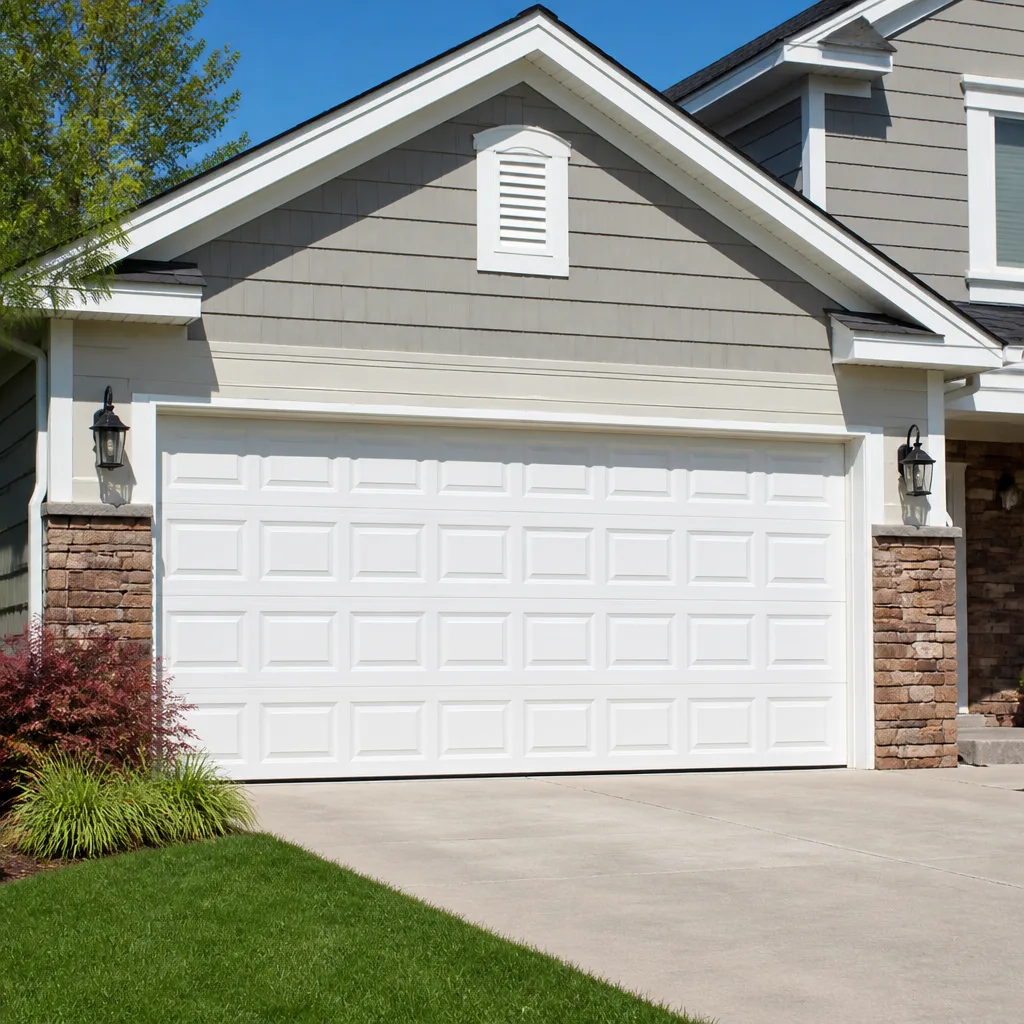 Raised-panel steel
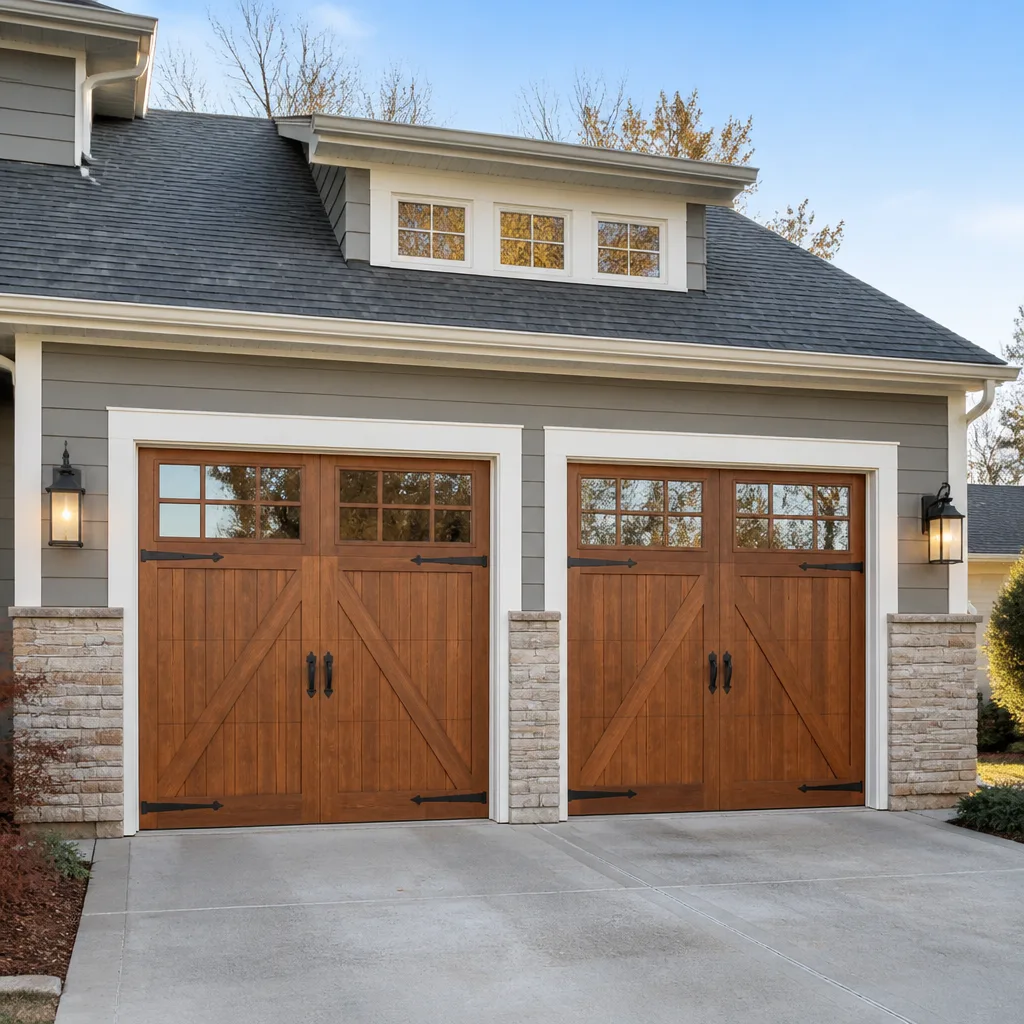 Carriage house
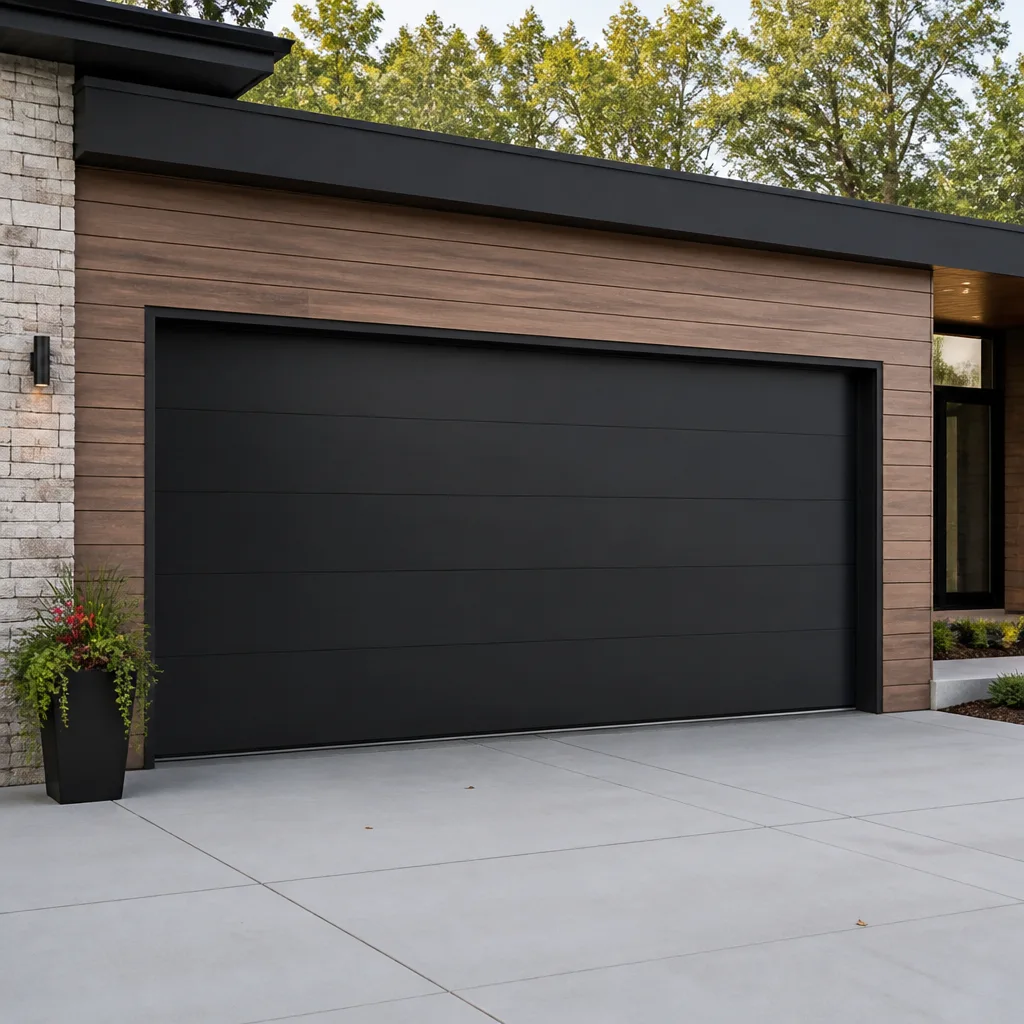 Modern flush
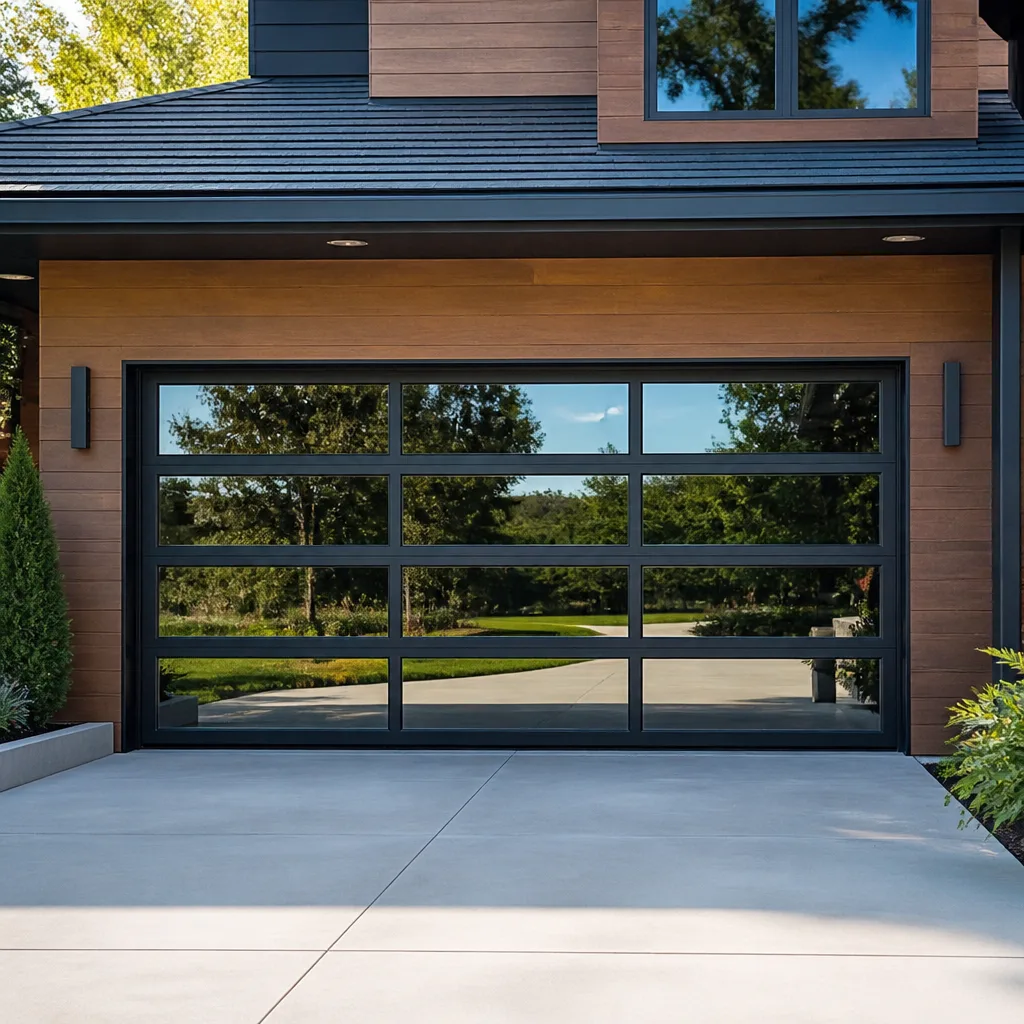 Full-view glass
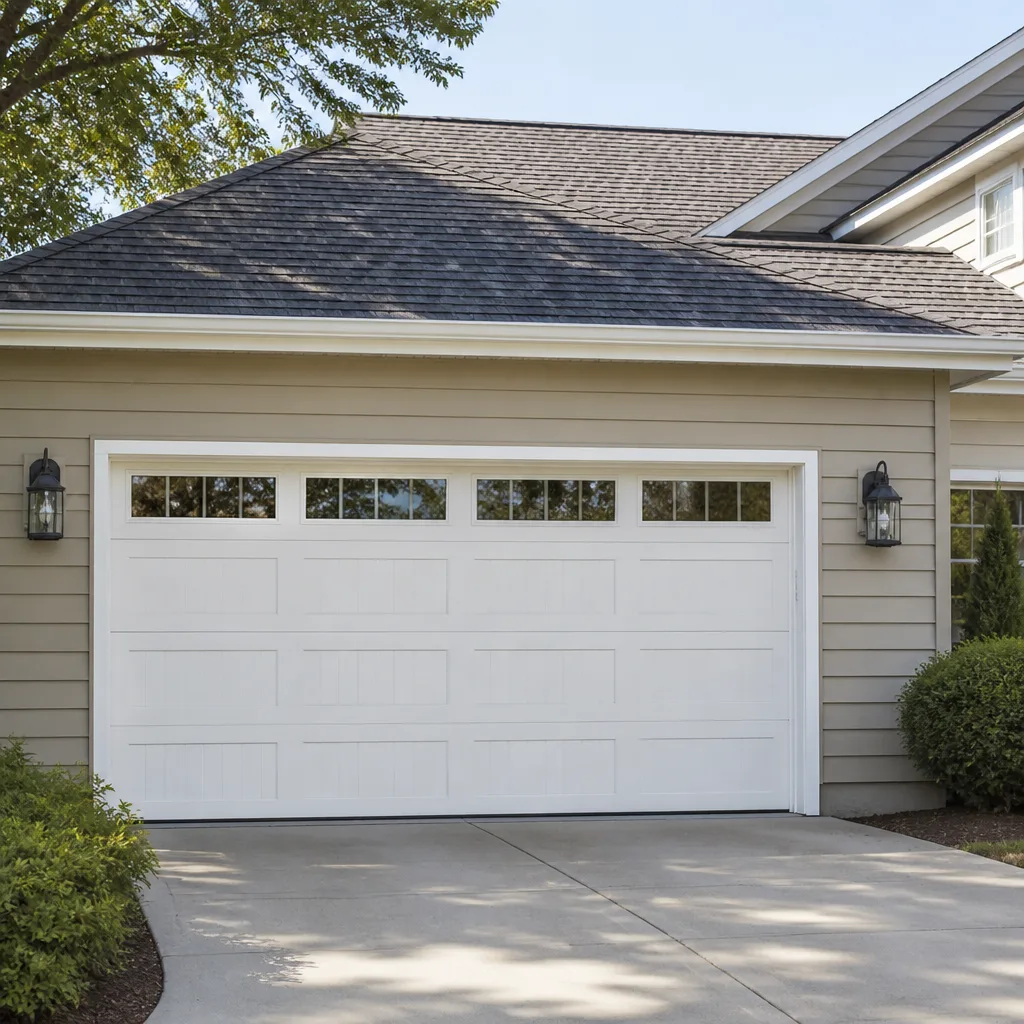 LiftMaster openers
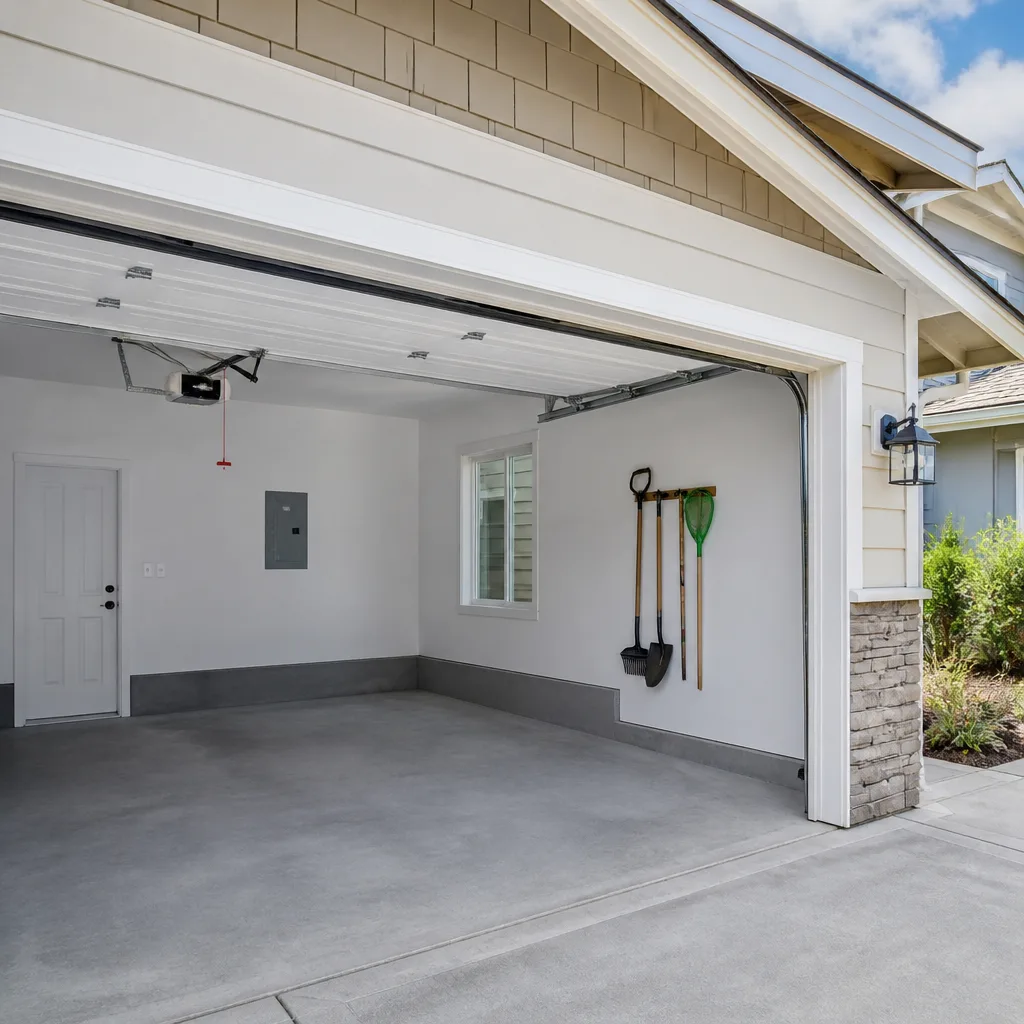 Chamberlain openers
Full 25-point door and opener safety check with every visit - springs, cables, rollers, tracks, and your LiftMaster or Chamberlain opener included
You get a price before we start. It does not change when the pro arrives.
Get your free estimateGarage Door Repair Troubleshooting in St. Charles: Common Problems and How to Fix Them
The door that “randomly” reverses before it closes is almost never a sensor problem. In our experience, it’s usually a track gap you can spot with a flashlight in about 30 seconds, or a photo-eye knocked out of alignment by a stray leaf. That matters because most homeowners start chasing the wrong part. They buy a new sensor, then a new opener, then a new door, and the actual fault was a bracket that shifted a quarter inch. We’ve seen it dozens of times across St. Charles, where temperature swings move metal around more than most people realize.
This guide maps symptoms to root causes across six mechanical categories, so you can figure out fast whether your problem is a ten-minute fix or a put-the-wrench-down-and-call situation. We’ll cover what St. Charles weather does to garage doors, which DIY jobs are genuinely safe, and what a technician checks that most homeowners skip.
Quick Answer
Most garage door failures fall into six categories: motor, spring, track, cable, sensor, or opener logic. You can diagnose which one you’re dealing with by watching and listening to the door through one full open-close cycle. Spring and cable problems are dangerous and warrant a professional; sensor alignment and limit switch adjustment are safe DIY fixes.
Styles & brands we work with
- Raised-panel steel
- Carriage house
- Modern flush
- Full-view glass
- LiftMaster openers
- Chamberlain openers
Table of Contents
- The Six-Category Diagnostic Tree: Find Your Answer Fast
- Spring or Cable? The Tests That Tell Them Apart
- Safe DIY Fixes vs. Jobs That Send People to the ER
- How St. Charles Weather Creates Its Own Failure Patterns
- Sensor and Track Problems: The Most Misdiagnosed Failures
- Opener Logic and Remote Problems by Brand
- What a Technician Checks That You Probably Skipped
- Common Mistakes to Avoid
The Six-Category Diagnostic Tree: Find Your Answer Fast
Before you touch anything, run the door through one complete cycle and watch it. Listen for sounds, watch the panels track, and note exactly where it fails. That single observation tells you which of six systems is at fault.
The categories are motor, spring, track, cable, sensor, and opener logic. Each one has a signature symptom. Knowing yours means you stop guessing and stop buying parts you don’t need. Here’s how to narrow it down:
- Motor. You hear the opener running but the door doesn’t move, or it hums and stops. The motor turns but the drive system isn’t engaging, or the motor itself has failed.
- Spring. The door feels impossibly heavy when you lift it by hand, or you hear a loud bang from the garage and the door won’t lift at all. Torsion and extension springs do this when they break.
- Track. The door binds, scrapes, or comes off the rails. Look for bent sections, loose brackets, or gaps where the door rollers leave the track.
- Cable. The door hangs crooked, one side sags, or you see a loose or snapped cable dangling. Cables are under extreme tension and this is a stop-and-call situation.
- Sensor. The door starts down, reverses immediately, and the opener light flashes. The photo-eyes at the bottom of the tracks are blocked, misaligned, or dirty.
- Opener logic. Remotes don’t work, the wall button does, or the door opens on its own. The opener’s board, travel limits, or force settings need attention.
In St. Charles, we see the track and sensor categories confused constantly. That’s why so many homeowners in neighborhoods like Old Town and the streets near Frontier Park replace perfectly good sensors when the real issue is a bracket that shifted after a hard freeze.
Spring or Cable? The Tests That Tell Them Apart
Springs and cables fail together often enough that people assume they’re the same problem. They’re not, and the tests to tell them apart happen before anything is disassembled. This is the most important safety distinction in the whole guide.
First, a visual check. Torsion springs sit on a shaft above the door. Look for a visible gap in the coil; a broken torsion spring has a clean split, usually two inches or more. Extension springs run along the horizontal tracks and stretch as the door closes. A broken one will be stretched out or hanging loose.
Cables are the thin steel lines running from the bottom corners up to the drums. A snapped cable is obvious, but a frayed one can look intact. Run your eyes along the length without touching it.
The hand-lift test is the practical separator. Disconnect the opener using the emergency release cord, then lift the door by hand about a foot. If it’s heavy and won’t stay up, you have a spring problem. If one side lifts easily and the other drags, that points to a cable or track issue.
Never test a door that won’t lift, and never touch a cable under tension. Cables and springs store enough energy to cause serious injury, and the correct move is to put the wrench down and call a professional. Our garage door spring repair team handles torsion and extension work as a dedicated service because the safety standards here are real, not marketing. If a cable has snapped, that’s a stop-and-call too.
One St. Charles-specific note: freeze-thaw cycles in January and February stress these components more than any other season. We see far more spring failures after a hard cold snap than in summer. That’s normal and it’s mechanical, not a sign of a bad door.
Safe DIY Fixes vs. Jobs That Send People to the ER
Not every repair needs a technician. Some are genuinely low-risk and you’ll save a service call. Others are exactly why emergency rooms see garage door injuries. The line between the two is fairly clean, so here it is.
Safe to attempt yourself:
- Cleaning and realigning the photo-eye sensors at the base of the tracks
- Adjusting the opener’s travel limits with the wall-mounted controls
- Tightening track bolts and brackets that have come loose
- Replacing remote batteries and re-pairing remotes to the opener
- Clearing debris, leaves, or ice from the tracks and the door’s path
- Lubricating rollers and hinges with a proper garage door lubricant
Not safe to attempt:
- Replacing torsion or extension springs
- Replacing or adjusting cables
- Removing the bottom bracket that holds the cable
- Any work on a door that is currently stuck open or off its track
- Adjusting the opener’s force settings beyond the manufacturer’s range
The spring and cable jobs are dangerous because those components hold the full weight of a door that can run several hundred pounds. Releasing that energy incorrectly can break bones. A trained technician uses proper winding bars and knows the tension math. This is the single biggest reason we treat spring work as a specialty. If you’re in St. Charles and the door has gone heavy or won’t lift, don’t experiment with it. Put the wrench down and call.
How St. Charles Weather Creates Its Own Failure Patterns
Garage doors are outdoor equipment bolted to a house. They move, expand, contract, and hold moisture, which means local weather drives local failure patterns. St. Charles sits in a climate with real seasonal swings, and those swings show up in specific parts at specific times of year.
Winter freeze-thaw. When temperatures drop below freezing and bounce back above it, moisture in and around the door expands and contracts. That reveals itself as loose track brackets, sticking hinges, and spring fatigue. The most common winter calls we handle in St. Charles involve a door that closed fine yesterday and won’t close today. That’s almost always a track or spring issue set off by cold.
Summer humidity spikes. St. Louis-area summers bring muggy air that works into wooden door panels and metal hardware. Wood panels can swell and bind; steel tracks can rust at worn spots; rollers can dry out and squeal. If your door suddenly scrapes in July, humidity is a likely contributor.
Storm and wind. Straight-line winds and hail push doors out of alignment. A door that came through a storm is worth a close look at the panels, tracks, and brackets before you run it.
Spring and fall transitions. Those mild in-between weeks are when homeowners skip maintenance, and it’s also when the stress from winter shows up. If you want to prevent a mid-January failure, the time to check your door is the first cool week of fall, not the middle of a storm.
Habitat matters too. Older neighborhoods like Old Town and the streets off South Main tend to have older doors with older springs, while newer subdivisions have doors that were installed in the last decade or two. Different ages, different failure patterns, same climate driving them. That’s why our St. Charles neighbors call us about the same categories of problems at roughly the same times of year.
Sensor and Track Problems: The Most Misdiagnosed Failures
The door that reverses before closing is the classic case that gets blamed on the sensors when the sensors are fine. In our experience, it’s often a track or force-setting issue that mimics a sensor fault. Here’s how to separate them.
Start with the sensors, since the test is easy. The two photo-eyes sit at the bottom corners of the track, one on each side, roughly six inches off the floor. Each has a small LED; when they’re aligned and working, the sending eye’s light is solid and the receiving eye’s light is steady. If either is blinking or dark, you’ve found your problem: check for blockage, wipe both lenses, and adjust the brackets so they point directly at each other.
If the sensors check out, look at the track. Run a flashlight along both vertical and horizontal sections, especially the curves where the door transitions from vertical to horizontal. Any gap wider than a finger’s width, or any bend, will cause the door to bind and reverse. Bolts that hold the track to the wall are a common culprit. Tighten loose ones, but don’t force a bent track; if it’s visibly warped, that’s a technician job.
Next, check the opener’s force and travel limits. Doors that reverse midway, stop short, or reverse back all the way up often have limits set wrong. Adjusting them is safe when done per the manufacturer’s instructions, and it’s the correct fix more often than people suspect.
If your opener is a LiftMaster or Chamberlain, the diagnostic LEDs on the motor unit can tell you precisely which safety system tripped. Those two brands are the most common in homes here, which is why they’re the ones we see most often. If your door runs on a Genie, the symptom patterns differ slightly but the tests above still work.
If the door closes and then reverses back to open without any visible obstruction, and the sensors are solid, you’ve got an opener logic or force-setting problem that needs a technician. That’s when garage door opener repair saves you from replacing the wrong part.
Opener Logic and Remote Problems by Brand
Opener problems are often described as “the door is broken,” but the door may be fine and the operator at fault. The good news is that the most common residential openers give you clear signals about what’s wrong, and the diagnostic steps are similar across brands.
LiftMaster and Chamberlain. Both run on nearly identical electronics. The wall control’s diagnostic LEDs blink in coded patterns that map to specific faults: sensor wiring, motor, reversing sensor, and so on. If your remote doesn’t work but the wall button does, the problem is the receiver or the remote’s programming, not the door. Re-pairing a remote or checking the lock/vacation mode is often the whole fix.
Genie. Genie openers use a similar travel-limit system but with slightly different controls. A door that stops halfway usually points to a limit switch or a stripped gear inside the unit. If your Genie hums but doesn’t move the door, the internal gear or the carriage may have failed.
Craftsman. These are often older units that share heritage with Chamberlain. Symptoms that look like a failed motor often turn out to be a worn drive gear or a capacitor. The good news is that most of these units are serviceable without replacing the whole opener.
A few universal checks apply no matter the brand. Test the wall button and a remote separately. If one works and the other doesn’t, the opener’s receiver or the remote is the issue. If neither works, check the breaker and the outlet the opener plugs into. If the opener opens the door on its own, that’s a logic or interference problem worth a call.
We’re set up to handle LiftMaster, Chamberlain, Genie, and Craftsman specifically, plus Clopay, Amarr, Wayne Dalton, and Raynor on the door side. If your opener is a brand we don’t list, ask before booking; we’d rather tell you honestly than guess.
What a Technician Checks That You Probably Skipped
When a technician pulls into your driveway, the walk-around they do isn’t theater. It’s a check of the parts that fail quietly and cause bigger problems down the line. If you want to pre-diagnose your own door, running through this list yourself will catch most of what a pro would catch early.
- Door balance. With the opener disconnected, the technician lifts the door halfway. If it won’t hold roughly where they let it go, the spring tension is off.
- Cable and drum condition. Fraying, kinks, or rust at the drums, inspected without touching the cables.
- Roller wear and squeak. Rollers that are worn flat, loose, or dry cause most of the noise homeowners complain about.
- Hinge tightness and panel alignment. Hinges that loosen make the door sag and stress the cable. Panel alignment affects how it seals.
- Track plumb and level. The tracks should be parallel and vertical. Any bowing changes how the rollers ride.
- Weather stripping and bottom seal. The seal at the bottom keeps weather out; in St. Charles, a failed seal lets in rain, ice, and mice.
- Opener force and limit settings. Checked against the manufacturer’s specification, not just “does it close.”
- Safety reversal test. The classic test of whether the door reverses when it meets an obstacle. This is a safety item; if the door doesn’t reverse, that’s a real risk.
Most homeowners look at the door, hear it, and call. The technicians who are factory-familiar with LiftMaster, Chamberlain, Genie, and the major door brands check all eight items, then talk through what they found. If you’ve run this list yourself and found three or more issues, that’s a sign to book a proper garage door repair visit rather than patch one item at a time.
Common Mistakes to Avoid
- Replacing the opener when the sensors are misaligned. This is the most expensive wrong move we see. The door reverses, the homeowner assumes the opener is bad, and a new opener goes in before anyone checks the photo-eyes.
- Greasing the tracks. Garage door tracks are meant to be dry. Lubricant attracts dust and grit, which gums up the rollers and makes the door harder to move. Lubricate the rollers and hinges, never the track itself.
- Forcing a stuck door with the manual release. Disconnecting the opener is fine, but lifting a door that’s off its track can bend panels and put stress on a cable that’s already compromised. If it feels wrong, stop.
- Ignoring a small track gap until it becomes a derailment. That quarter-inch gap by the curve is a warning. In St. Charles, freeze-thaw makes small gaps grow fast between December and February.
- Buying a new spring from a big-box store without matching specs. Springs are rated by wire gauge, inside diameter, and length. A spring that’s close but not right will fail early or leave the door out of balance. Matching the old spring’s exact spec matters.
- Skipping the fall check. Your door tells you what’s wrong in October far more quietly than it will in January. A quick look at the springs, tracks, and seal before winter saves a lot of cold mornings.
- Letting an unqualified handyman touch the springs. Springs and cables are not general handyman work. If the person you hire doesn’t do this every day, you’re taking a risk with a very heavy, very tense system.
See the difference
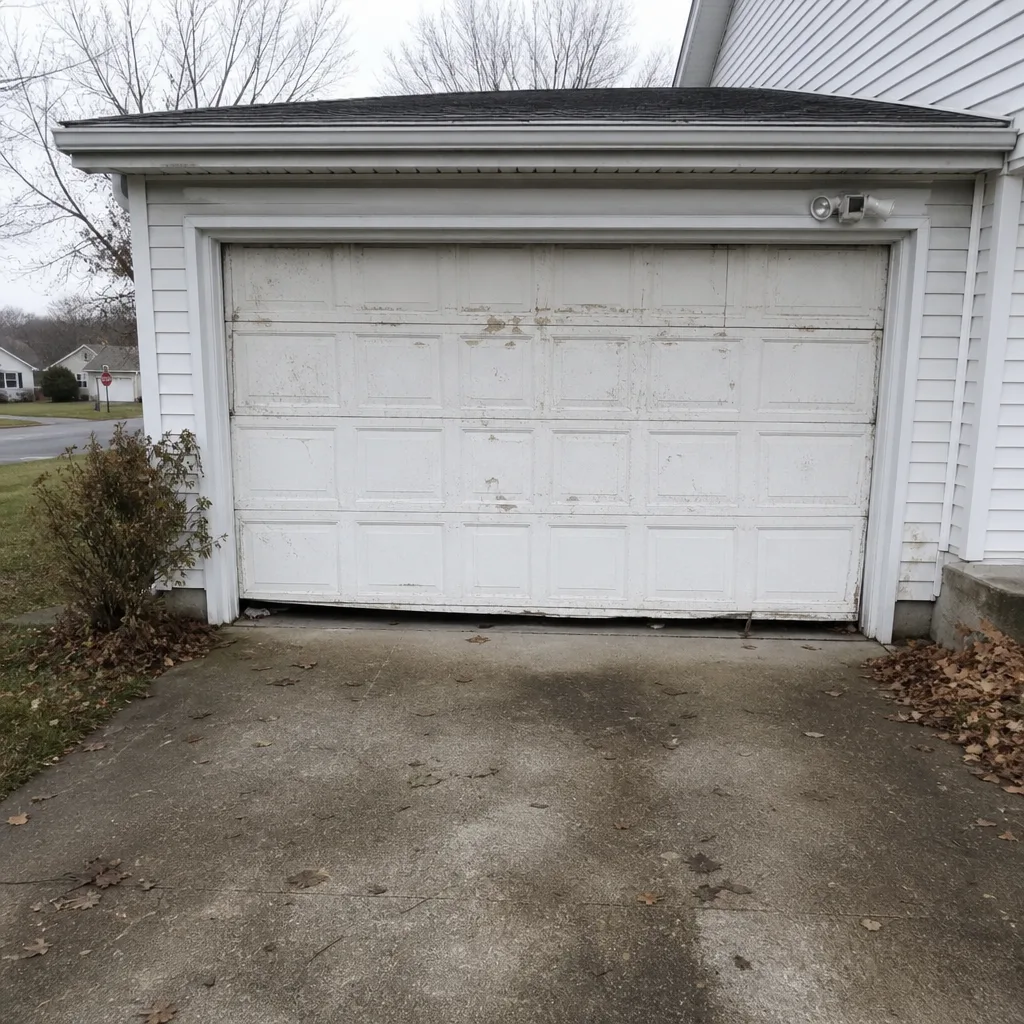 Before
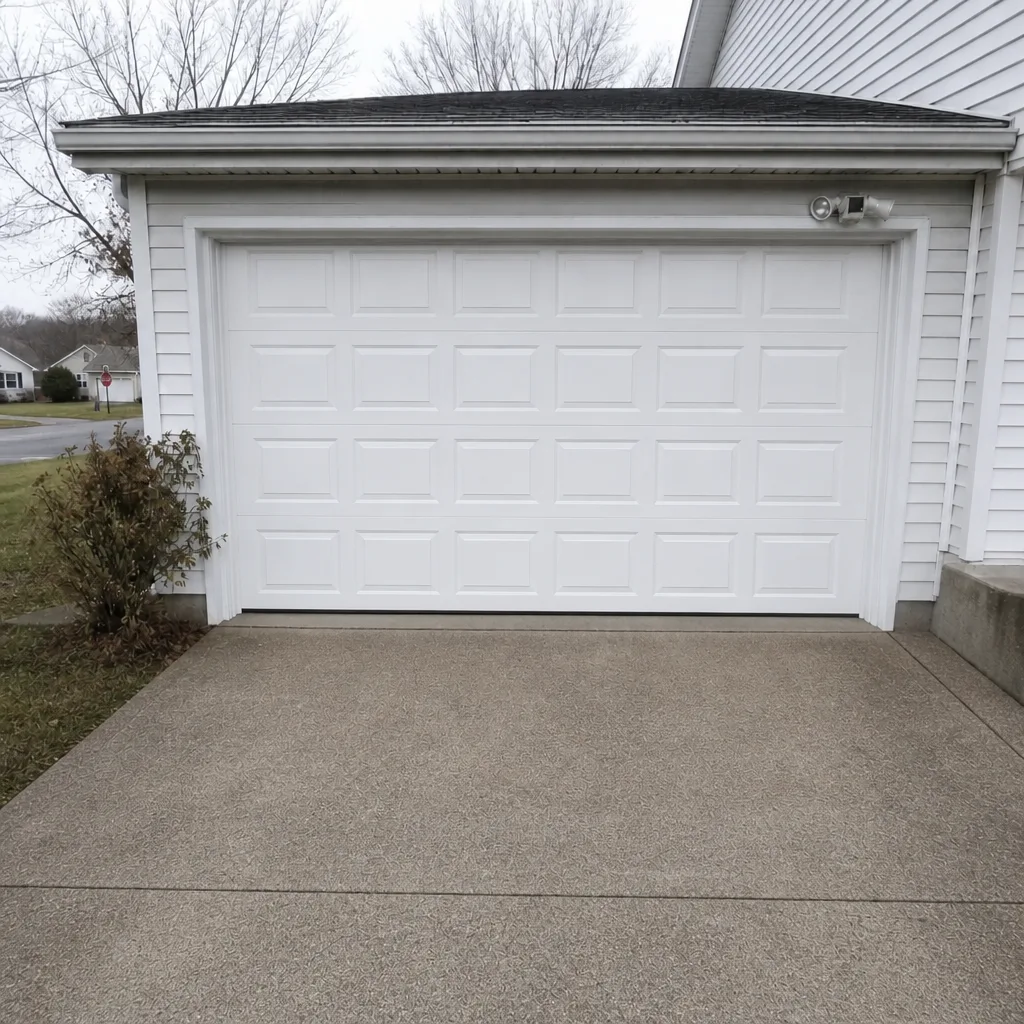 After
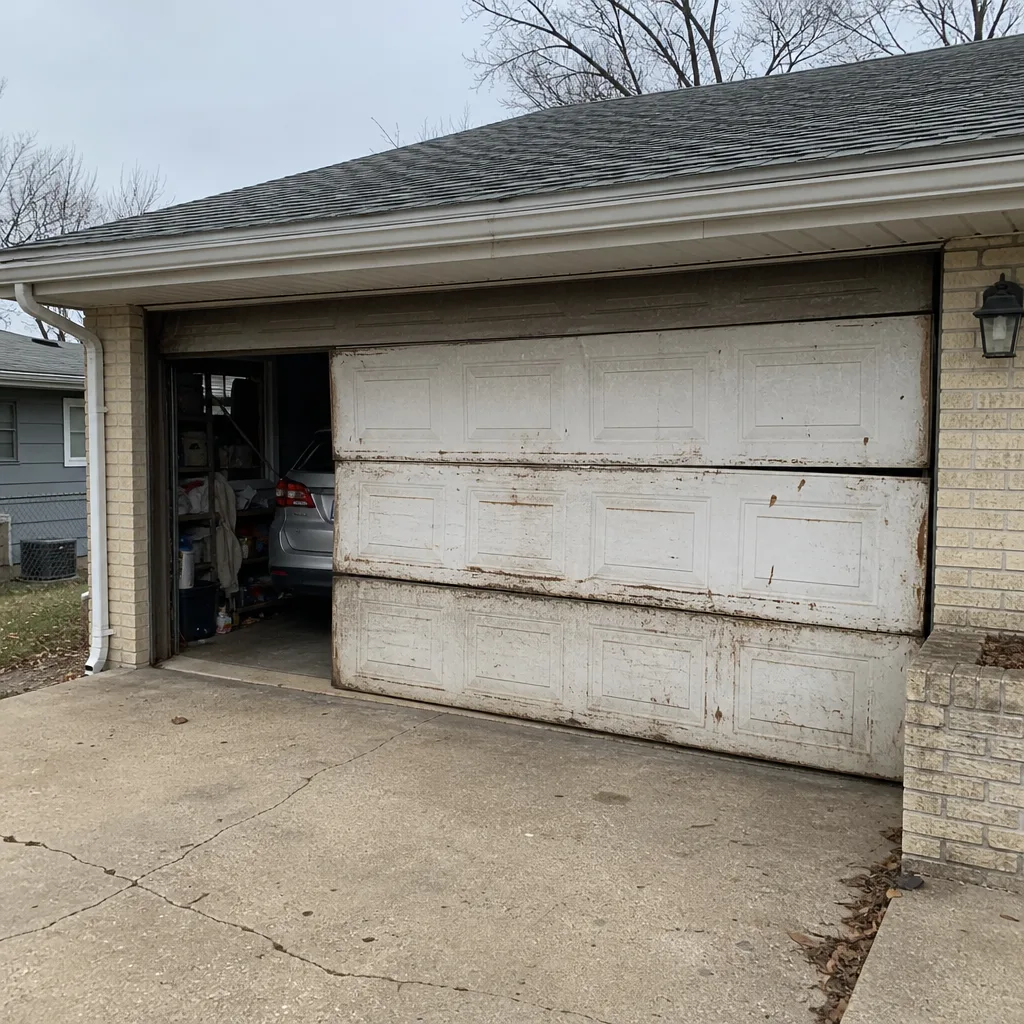 Before
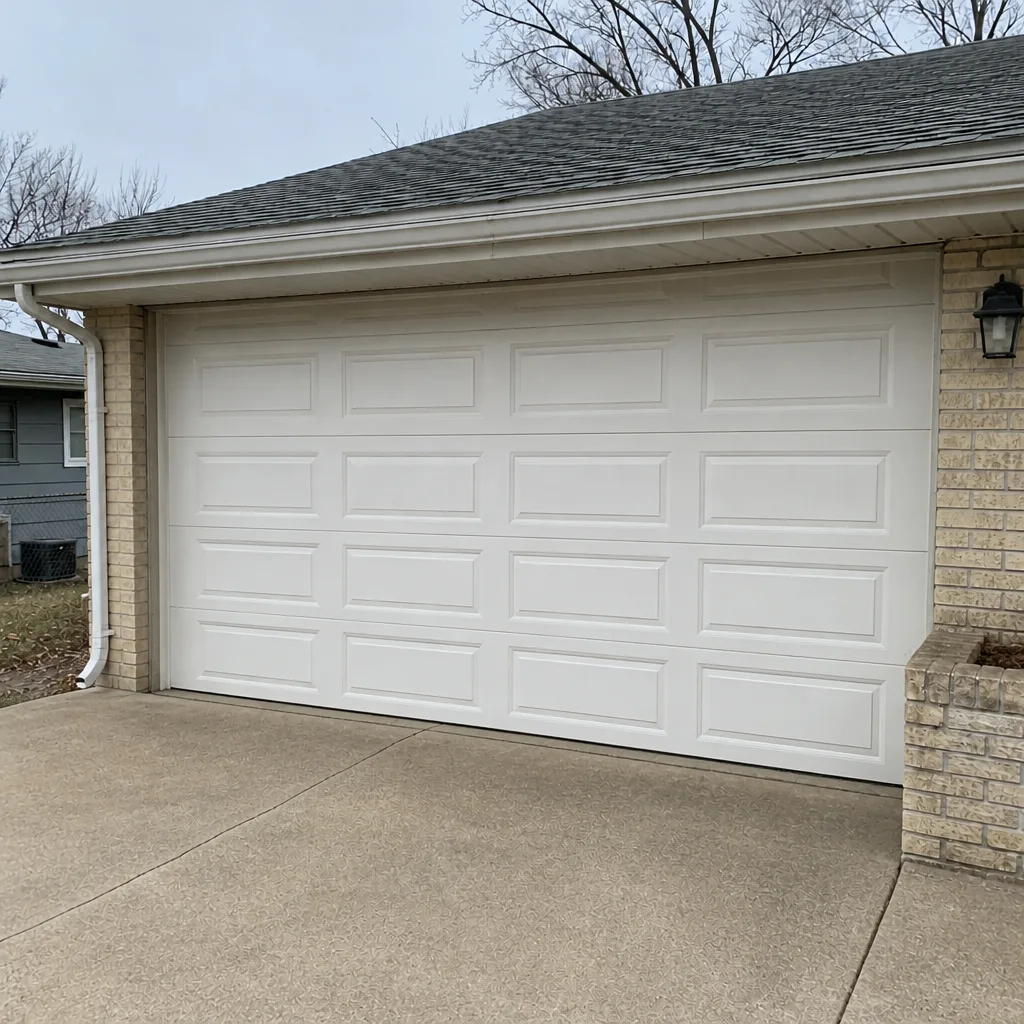 After
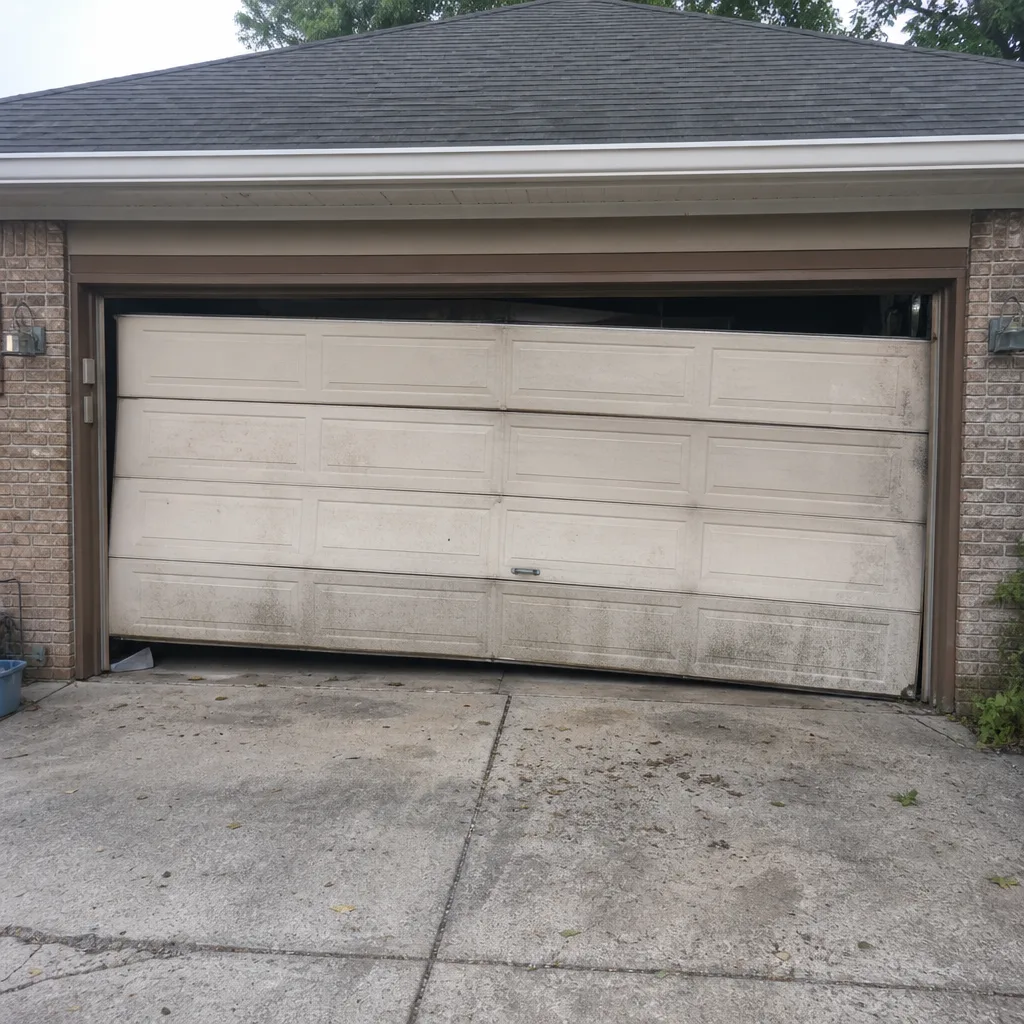 Before
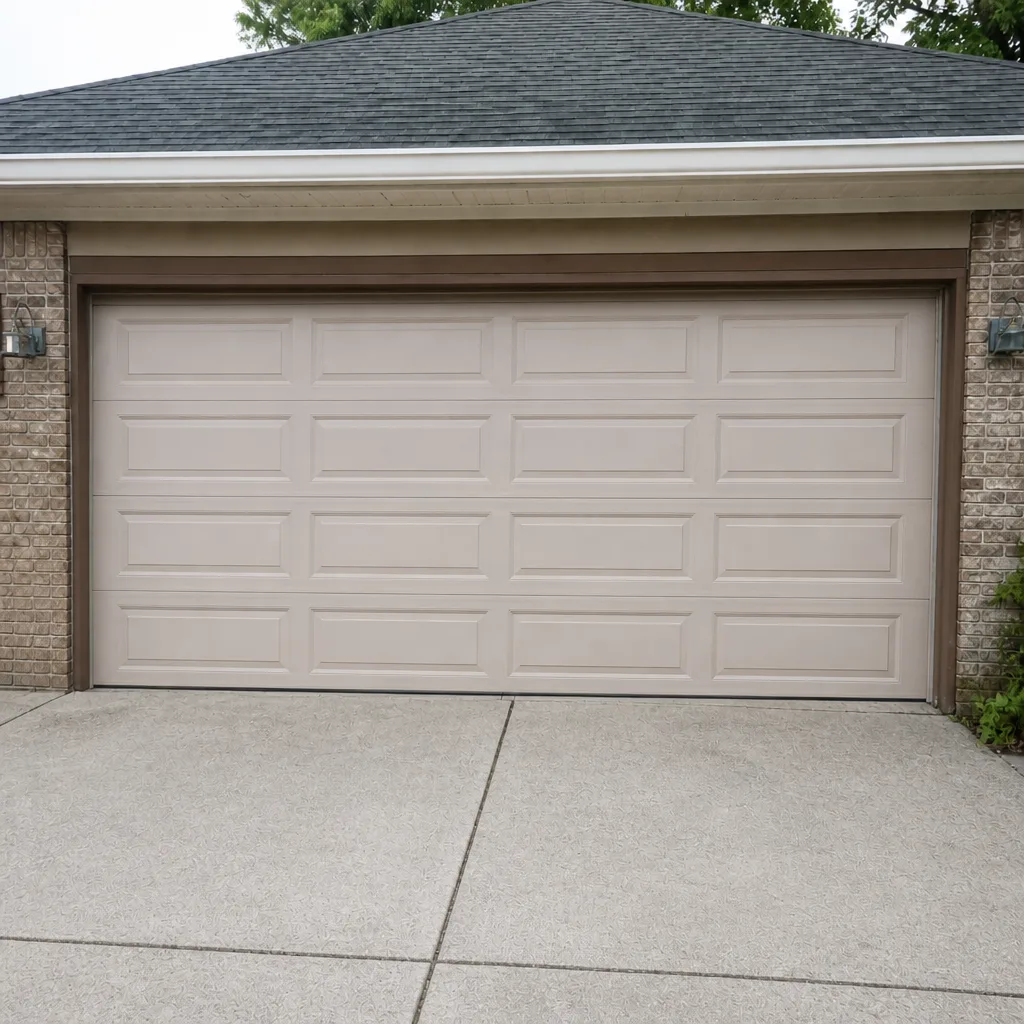 After
When to Call a Professional
Call a professional when the door won’t lift, when you see a snapped or loose cable, when one side of the door sags, when the door has come off its track, or when the door is stuck open and the house isn’t secure. Any of those is a same-day situation. Spring and cable work is not a DIY category, and neither is a door that’s physically off the rails.
Less urgent but still professional: an opener that runs but won’t move the door, a door that reverses without an obstruction, a motor that hums and stops, or a remote that’s stopped working after basic checks. If you’ve run the eight-item list above and found several issues, that’s a technician call.
St. Charles Garage Door Repair Co offers free estimates in St. Charles. Call (877) 473-4275. We answer 24/7. Fast dispatch from 7am to 7pm, Sunday through Friday. We’re factory-familiar with LiftMaster, Chamberlain, Genie, Clopay, Amarr, Wayne Dalton, Craftsman, and Raynor, and our technicians have up to 14 years of experience. The price is quoted and agreed before any work starts, and the written estimate is the price.
Frequently Asked Questions
Most often it’s misaligned photo-eye sensors or a track gap that’s tripping the safety reversal. Check the sensor LEDs first: both should glow steady. If they do, run a flashlight along the track curve for gaps or bends. If both check out, the opener’s force setting is the likely culprit. Call (877) 473-4275 for an exact quote if you want a technician to trace it; estimates are free.
No. Torsion and extension springs hold the entire weight of the door under extreme tension, and releasing that energy incorrectly can cause serious injury. This is the single job we tell every homeowner not to attempt. Call (877) 473-4275 for spring repair in St. Charles; a technician will handle it safely.
Most repairs fall into a range that depends on the part and the labor involved, and the written estimate sets the price before any work starts. Spring, cable, opener, and track repairs are each priced per job. Call (877) 473-4275 for a free estimate on your door.
Same-day service is available for many repairs. We answer 24/7, and fast dispatch runs from 7am to 7pm, Sunday through Friday, with Saturday closed. A call outside dispatch hours is booked into the next opening. Call (877) 473-4275 to get on the schedule.
The price is quoted and agreed before any work starts, and the written estimate is the price. If the technician finds something different on arrival, you’ll hear about it and agree before any additional work begins. Call (877) 473-4275 for a free estimate.
That points to opener logic, a stuck wall button, or a remote that’s been triggered by interference. Unplug the opener for a minute to reset it; if the door still opens on its own, the wall button or the opener’s board is the likely issue. This is worth a technician visit, especially for LiftMaster, Chamberlain, Genie, or Craftsman units. Call (877) 473-4275.
The Bottom Line
Most garage door problems can be narrowed to one of six categories: motor, spring, track, cable, sensor, or opener logic. You can sort your situation in a few minutes by watching the door through one cycle and checking the sensors, tracks, and springs in that order. Spring and cable problems stop the DIY train and go straight to a technician. If you’re in St. Charles and the door has come off track, hangs crooked, or won’t lift, that’s a same-day call. Free estimates, written before work starts, and no surprises on the invoice.
Call (877) 473-4275 to book a free estimate. Reach the team at St. Charles Garage Door Repair Co whenever your door starts acting up. When the time comes for a new door rather than a repair, we can help you choose from Clopay and Amarr and get the fit right the first time.
Written by the team at St. Charles Garage Door Repair Co.