
Last updated November 22, 2026
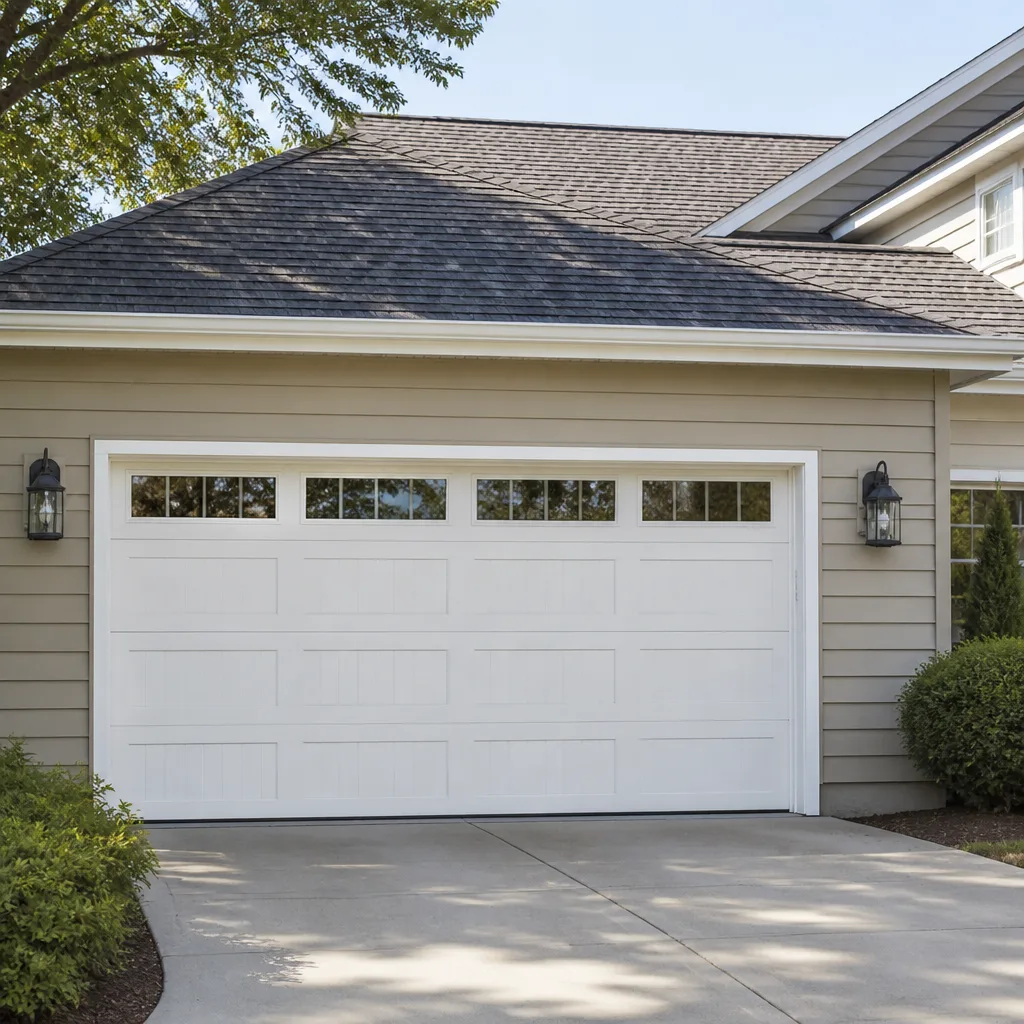
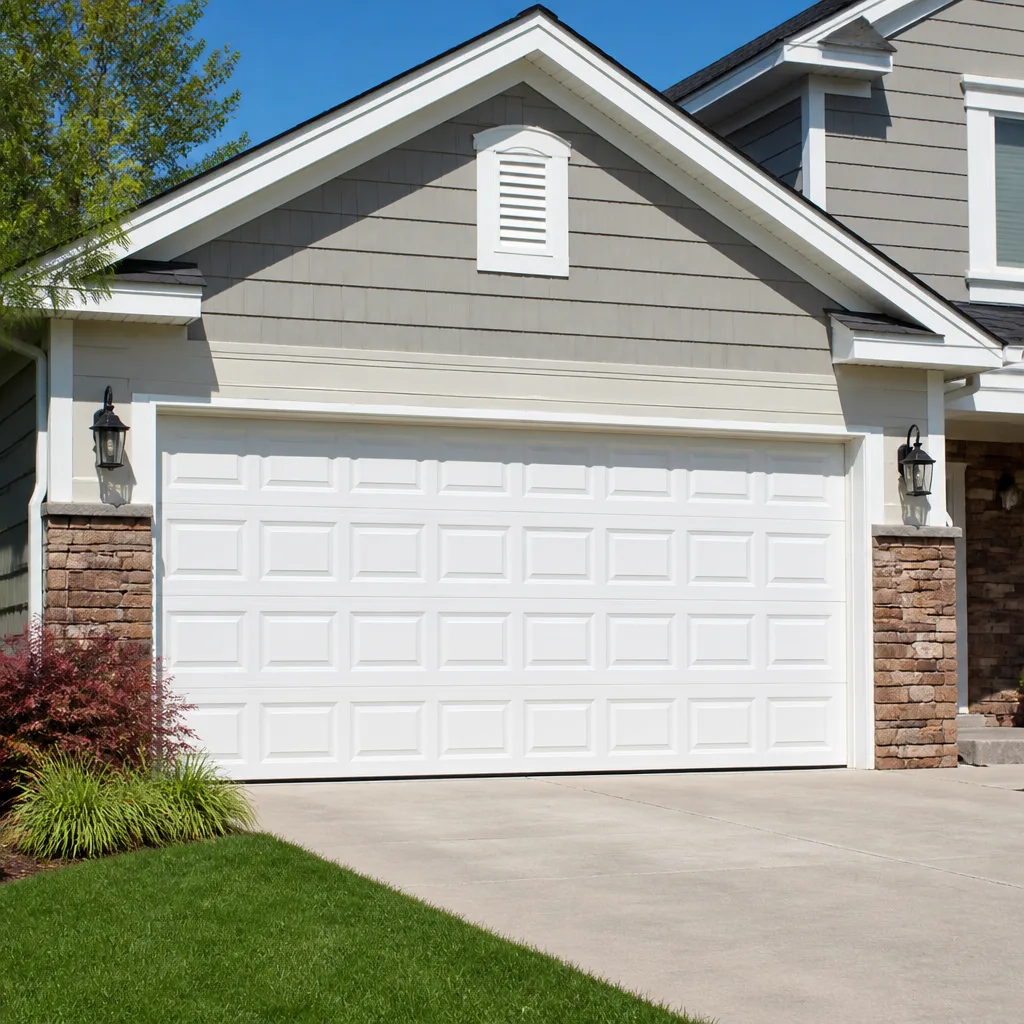 Raised-panel steel
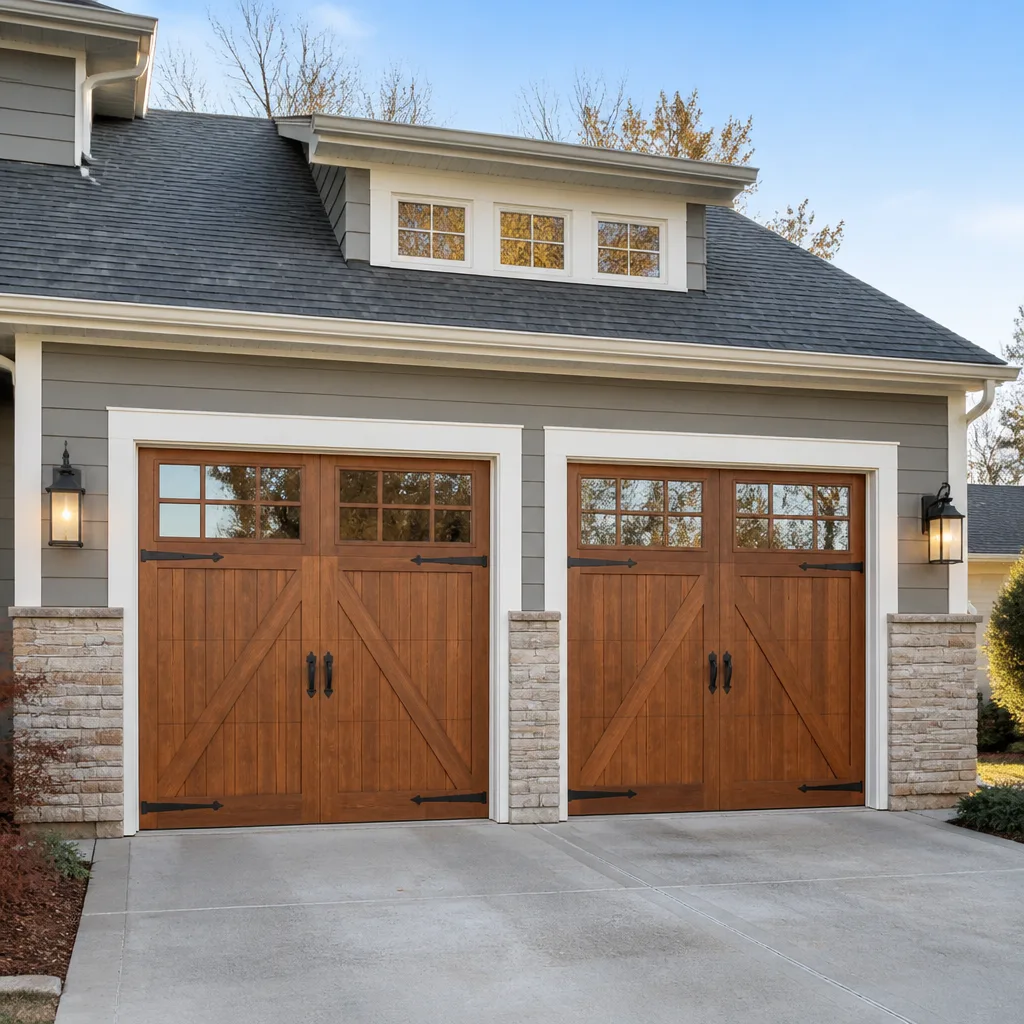 Carriage house
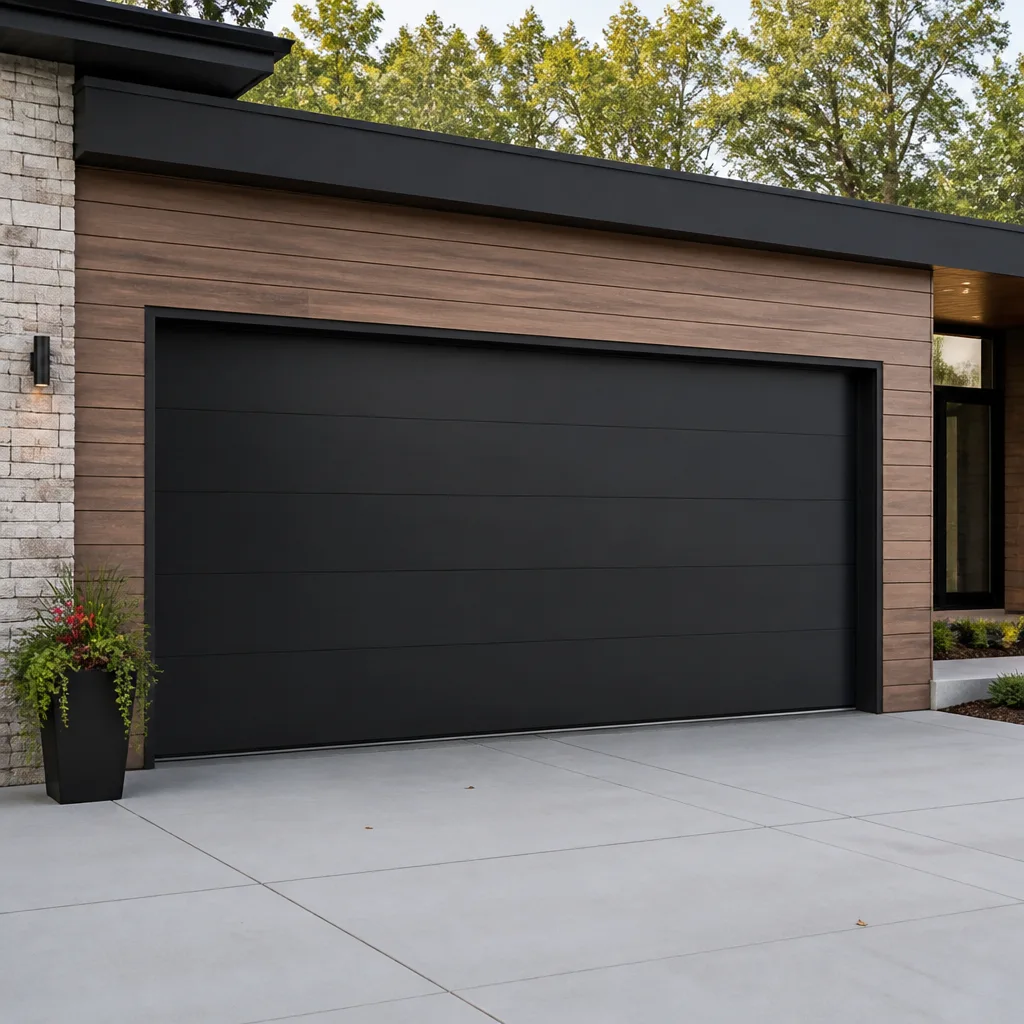 Modern flush
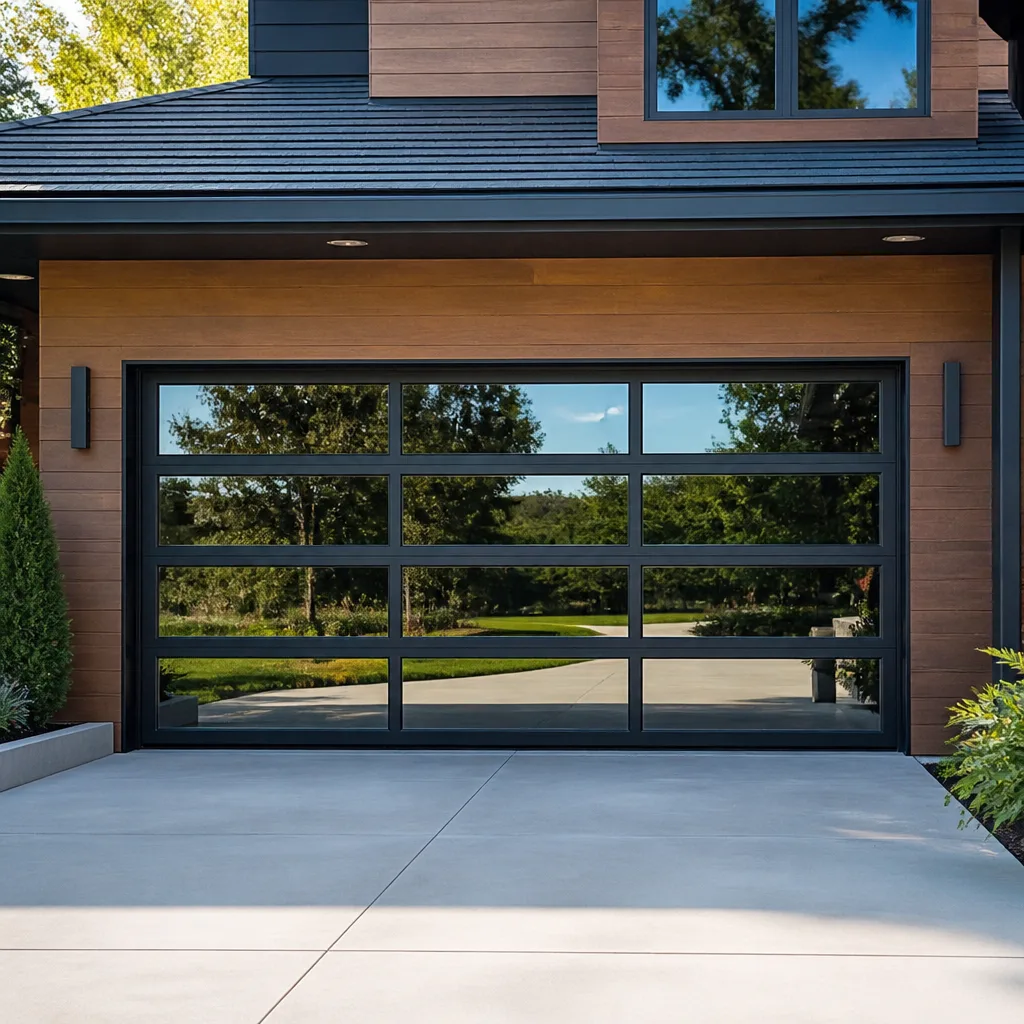 Full-view glass
 LiftMaster openers
 Chamberlain openers
Full 25-point door and opener safety check with every visit - springs, cables, rollers, tracks, and your LiftMaster or Chamberlain opener included
You get a price before we start. It does not change when the pro arrives.
Get your free estimateSeasonal Garage Door Care for St. Charles: Year-Round Homeowner’s Guide
February in St. Charles is the month most garage door springs snap. Not because the springs are old, but because cold-contracted metal plus a winter of deferred lubrication reaches its breaking point exactly when you need the door most. Most homeowners treat garage door care as a once-a-year glance or a repair call when something sounds wrong. That approach costs money here. St. Charles sits in a climate band that delivers real winter punishment, thick summer humidity, and fast spring temperature swings, and each season stresses a different part of your door. This guide walks through what to check, when to check it, and what a St. Charles homeowner should actually watch for in each season.
Quick Answer
Garage door care in St. Charles runs on a four-season cycle: winter prep in late fall (seals, lubrication, opener behavior), post-freeze inspection in spring (tracks, sensors, bottom seals), humidity checks in summer (wood swelling, panel strain), and weatherproofing in fall (seal types and thresholds). Each season has its own failure mode, and each is cheaper to prevent than to repair. If your door is already failing, call (877) 473-4275 – estimates are free.
Styles & brands we work with
- Raised-panel steel
- Carriage house
- Modern flush
- Full-view glass
- LiftMaster openers
- Chamberlain openers
Table of Contents
- Why Seasonal Care Matters More in St. Charles Than Most Homeowners Realize
- Winter Prep: What to Do Before the First Hard Freeze
- Spring After Freeze-Thaw: The Inspection Most Homeowners Skip
- Summer Humidity and What It Does to Your Door
- Fall Weatherproofing: Sealing for Missouri’s Wet-to-Cold Transition
- Your St. Charles Seasonal Task Calendar
- Opener Behavior by Season: What’s Normal and What’s Not
- Common Mistakes to Avoid
- When to Call a Professional
- Frequently Asked Questions
- The Bottom Line
Why Seasonal Care Matters More in St. Charles Than Most Homeowners Realize
St. Charles weather is not extreme in any single direction, but it changes faster than most places. A February morning can start below zero and end above freezing, and a March week can swing forty degrees between Tuesday and Thursday. That swing cycle is what wears garage doors out. Metal contracts in the cold and expands in the warmth, and every cycle puts a tiny amount of stress on springs, hinges, rollers, and track fasteners. Multiply that by a hundred temperature swings a season and you understand why seasonal care is not a suggestion here.
The other local factor is humidity. St. Charles summers are humid enough that a wood door absorbs moisture through the unsealed face and edges, and wood does not shrink back the way it swells. Panels warp, bottom rails split, and the opener starts straining to lift a door that’s heavier than it was in April. If you’ve noticed your door getting louder or slower each summer, that is often the reason.
Seasonal maintenance in St. Charles is not really about polishing your door. It’s about catching three specific problems early:
- Spring fatigue. A torsion spring doing its job at 70 degrees loses lift capacity as the temperature drops. If your spring is already on the edge of its usable range, the first real cold snap pushes it over.
- Seal failure. Rubber and vinyl seals crack in the cold and dry in the summer sun. Once the bottom seal fails, water and cold air get in, and the whole door starts working harder.
- Track misalignment. Freeze-thaw cycles move the concrete slab your tracks are bolted to. Small shifts over a season can pull the tracks slightly out of vertical, and that is when rollers start binding.
None of these announce themselves. They show up as noise, slowing, or a door that closes crookedly. Seasonal care is how you catch them before they become a same-day repair call.
Winter Prep: What to Do Before the First Hard Freeze
Late October and early November are the right window to winterize a garage door in St. Charles. Once the ground freezes and the temperature stays below freezing, you can still do most of this work, but you’re doing it in the cold and often under time pressure because the door has already started misbehaving. Prep before the freeze.
1. Check the bottom seal and threshold
A failed bottom seal is the single biggest source of winter misery in St. Charles garages. Water sits at the threshold, freezes, and pushes up under the door overnight. Then the opener lifts a door that’s frozen to the ground, which strains the opener or strips a gear. Run your hand along the bottom seal – if it feels hard, cracked, or has chunks missing, replace it before the first freeze. The threshold itself should sit flush and drain away from the door. If water puddles on the apron directly in front of the door, you have a drainage problem to fix, not just a seal problem.
2. Use the right lubricant for cold weather
White lithium grease and silicone spray handle cold better than the heavier greases sold for warm-weather use. In sub-freezing temperatures, thick grease stiffens and turns the rollers and hinges into a drag on the opener. A light silicone-based lubricant on hinges, rollers, and the torsion spring (not the tracks – never lubricate the tracks) keeps everything moving when the mercury drops. Wipe off old, hard, caked grease first; adding fresh lubricant over old is a waste of both.
3. Understand why openers struggle in extreme cold
Your opener is not failing when it strains on a cold morning – it’s doing what it was designed to do with cold-stiffened parts. Two things happen in the cold: the door gets heavier to lift because the spring has lost lift capacity, and the opener’s internal grease thickens. Both of those put extra load on the opener’s gear and motor. If your LiftMaster or Chamberlain opener is straining in cold weather, that’s a symptom of a spring or balance problem, not an opener problem. A properly balanced door should lift with one hand at any temperature.
4. Confirm the safety reverse still works
Cold weather affects the safety reverse mechanism on older openers. Test it before winter: place a piece of wood flat on the floor under the closed door, then press the wall button to close. The door should reverse on contact. If it doesn’t, stop using the opener until a technician checks it. This is not a repair to defer – a door that doesn’t reverse is a genuine safety issue for anyone standing under it, pets included.
5. Check the weatherstripping on the jambs
The vinyl or brush weatherstripping down each side of the door wears faster than homeowners expect. In cold weather it stiffens and can crack. Push on it with your finger – if it doesn’t spring back, replace it before the first freeze. Cold air pouring through jamb gaps reduces the garage’s usefulness as a workspace and, on attached garages, works on the wall between garage and house all winter.
Spring After Freeze-Thaw: The Inspection Most Homeowners Skip
Spring in St. Charles is the highest-risk window for a garage door problem you didn’t cause. Freeze-thaw cycles over the winter move the ground, and the ground moves the concrete slab your door sits on. Homeowners notice a door that suddenly closes a little crookedly, or a sensor that keeps tripping when nothing changed. Almost always, the concrete has shifted, and the door has gone with it.
Check the tracks for vertical and alignment
Stand inside the garage looking out and compare the two vertical tracks. They should be parallel and plumb. If one has drifted, rollers will bind, and the door will labor. A track that’s still attached but visibly off is a common post-winter find in older St. Charles neighborhoods where the garage floor was poured decades ago and hasn’t moved until now. Don’t force the rollers through a bound track – this is how rollers crack and doors jump the rail.
Re-align sensors that shifted with the ground
Photo-eye sensors on the sides of the door frame are extremely sensitive to position. Ground movement or a kicked broom can knock them out of alignment, and the door stops closing or won’t close past a certain point. LiftMaster, Chamberlain, Genie, and Craftsman sensor setups all work the same way: one eye emits, the other receives, and both need to be aimed at each other. If your door reverses on the way down and there’s nothing in the way, misaligned sensors are the first thing to check. Also clean the glass on the sending and receiving eye – spring pollen coats the sensors and mimics a misalignment.
Inspect the bottom seal for cracking
Winter causes bottom seals to crack along their length, especially at the corners where they flex. Run a fingernail along the seal and look for splits. A cracked seal looks fine from standing height, which is why so many St. Charles homeowners miss it. If the seal is more than a few years old and shows any splitting, replace it now while the weather is mild.
Test the balance
Pull the manual release, lift the door halfway by hand, and let it go. It should stay where you put it without dropping or rising. If it rises, the spring is over-wound. If it drops, the spring has lost tension. Either way, the door needs a proper adjustment. Do not attempt to adjust the spring yourself – torsion springs are under extreme tension and can cause serious injury when they fail. This is the single most dangerous part of any garage door system.
Summer Humidity and What It Does to Your Door
St. Charles summer humidity does less damage to steel doors than to wood, but the effects are specific and worth knowing. Wood doors, wood frame surrounds, and wood-panel inserts absorb moisture from the air. Panels swell slightly, the bottom rail absorbs the most because it’s closest to the concrete, and the door gains weight. That extra weight translates directly into opener strain and spring fatigue, which is why so many doors that worked fine in May feel sluggish by August.
How to spot swelling before it causes damage
- Panel gaps close up. Look at the seams between panels. If the gaps that were visible in spring are now tight or gone, the wood has swelled.
- Bottom rail feels soft or spongy. Press a screwdriver handle into the bottom rail. If it gives, water has gotten in and rot may be starting.
- Door closes with a new sound. A door that suddenly grinds, rubs, or pops on the last few inches of travel is often expanded wood dragging on the jamb.
- Opener trips at the same spot every time. If the safety reverse engages at a consistent height on the way down, a swollen panel is likely catching on something.
What to do about summer swelling
Don’t sand or plane swelling wood until the humidity drops – it will shrink back and you’ll have created a gap. Instead, seal the door’s face and edges before the humid season each spring, and address any source of water infiltration at the bottom rail. If the swelling is already causing opener strain, that’s a sign of a deeper problem. A local professional can tell within minutes whether it’s swollen wood, a bent track, or a tired spring – three problems that can look identical from the driver’s seat.
Steel and aluminum doors in summer
Metal doors don’t swell, but heat matters to them too. Sun exposure on the east side of a St. Charles house during July can push a steel door’s surface temperature high enough to soften the bottom seal. If you notice a seal that goes soft and sticky in summer and stiffens in winter, it’s a sun and heat issue rather than a defective seal. A slightly thicker or darker-finished seal handles this better than the thinnest grade sold at box stores.
Fall Weatherproofing: Sealing for Missouri’s Wet-to-Cold Transition
Fall in St. Charles is where the whole year’s worth of care pays off or falls apart. The weather is a wet-to-cold transition: rain, then cold, then more rain, then the first hard freeze. The seals that hold up best in this environment are different from the ones that work in dry climates, and choosing the right type now saves you a winter repair and a spring replacement.
Seal types that perform best in a Missouri fall
- Bulb-style bottom seal (vinyl or rubber). The hollow bulb compresses to fit the concrete’s imperfect surface and springs back after the door lifts. Best for doors that sit on slightly uneven garage floors, which is most of them.
- U-shaped bottom seal. Slides over the door’s bottom rail with a metal retainer. Better in cold because the metal retainer keeps the seal from stiffening away from the door.
- Brush seal for the sides and top. Handles wind and debris better than vinyl on doors that face the weather. Brush seals let water drain through while blocking wind, which matters for a garage facing an exposed street.
- Threshold seal (floor-mounted). A rubber strip glued to the concrete apron that the door compresses against. These help in the fall more than any other accessory, because they stop the water pooling that causes freeze-stuck doors in January.
Where to source replacement seals locally
Most hardware stores in St. Charles and along the Highway 94 corridor stock standard bottom seals in the common widths, and if you know your door’s brand and model you can often find the exact pre-cut replacement. For Clopay and Amarr doors, tracking down the correct seal fit is easier when you go through a technician who works with those brands, because the seal comes in door-specific profiles that aren’t universal. If you’re not sure of your door’s model, look for the manufacturer’s sticker on the inside of the top panel or the frame of the door opening.
Weatherstripping prep
Before the first freeze, check the jamb weatherstripping for gaps. Bend the vinyl into position and hold it against the door edge – it should make full contact along the whole height of the door. Any gap means cold air and water get in. If the vinyl is stiff or cracked, replace it in early fall, not mid-winter when it’s brittle and hard to handle. The brush and vinyl strip on the top of the door’s opening is easy to overlook, and it’s the one where gaps matter most because rain and snow blow in from above.
Your St. Charles Seasonal Task Calendar
Here’s the whole year in one view. You don’t need to remember what’s due – just check this against the calendar each season. The tasks are ordered so the easy visible checks come first and the ones you shouldn’t do yourself are marked clearly.
Late October to early November (winter prep)
- Replace a cracked or hard bottom seal if it failed the push test.
- Check the threshold and correct any low spot that holds water in front of the door.
- Lubricate hinges, rollers, and the torsion spring with silicone spray – not the tracks.
- Test the safety reverse with a piece of wood under the closed door.
- Replace jamb weatherstripping if it doesn’t spring back when pushed.
- Test balance with the manual release. If it drops or rises, call a technician.
March to April (post-freeze inspection)
- Compare vertical tracks for plumb and parallel alignment.
- Clean and realign photo-eye sensors; check they’re aimed at each other.
- Look for cracks in the bottom seal, especially at the corners.
- Test balance again after the ground thaws.
- Run the door through a full open-close cycle and listen for new sounds.
- Check that the door’s wind struts and hinges haven’t loosened over the winter.
June to July (summer humidity check)
- Check panel seams for closing gaps that indicate swelling.
- Press the bottom rail for softness – a sign of water damage.
- Clean the safety sensors of pollen and dust.
- Test the opener’s reverse once more with the door.
- Watch for opener strain at the same point every cycle – a sign of a swollen panel or a failing spring.
September (fall weatherproofing)
- Inspect and replace jamb weatherstripping and the top vinyl strip.
- Choose the correct bottom seal type for your door and floor.
- Check that the threshold seal is seated and not pulling away from the concrete.
- Lubricate the spring, hinges, and rollers before the cold sets in.
- Review the balance test one more time before the first freeze.
Opener Behavior by Season: What’s Normal and What’s Not
Openers get blamed for a lot of door problems they didn’t cause. The opener is a motor – it moves what the springs and tracks let it move. When the springs are tired or the tracks are out of alignment, the opener works harder, and in cold weather that extra work becomes visible as strain, stalling, or a motor that runs but doesn’t lift. Knowing the difference between an opener problem and a door problem saves you money.
What’s normal in cold weather
- The opener is a little louder when it first lifts the door in freezing temperatures.
- The door moves slightly slower on the first cycle of a cold morning.
- The remote works fine but the wall button needs an extra press.
- The safety reverse takes slightly longer to engage.
What’s not normal
- The opener strains at one specific point, then smooths out further up.
- The motor runs but the door doesn’t move, or moves only a few inches.
- The door reverses on its own mid-travel with nothing in the way.
- The opener clicks, grinds, or the motor sounds labored and stops without completing the cycle.
For LiftMaster, Chamberlain, Genie, and Craftsman openers, the most common seasonal issues are worn travel limits (which drift over time and can cause the door to stop short in cold weather) and failing logic boards, which sometimes present as intermittent behavior rather than an outright failure. If your opener is a Raynor or another brand and it’s acting up, we still work on it – we diagnose the actual system, not a generic substitute. Same goes for Chamberlain remote programming and Genie travel adjustment, which use different procedures and different remotes.
If your opener is doing any of the “not normal” list, stop using it until a technician checks it. Running an opener that’s straining through a jammed or dragging door can burn out the motor or snap a spring at a bad moment.
Common Mistakes to Avoid
- Greasing the tracks. Tracks are meant to stay clean and dry so rollers roll through them. Greasing them attracts grit, and grit wears rollers and hinges. Lubricate the hinges, rollers, and spring – not the track surface.
- Ignoring a small bottom seal crack. A crack that looks cosmetic in April will let water under the door all summer and freeze the door to the concrete in a St. Charles January. Replace it long before it fails.
- Adjusting a torsion spring without training. Torsion springs are wound under enough tension to cause serious injury when they fail. A balance problem is a call-a-technician issue, not a weekend project.
- Assuming the opener is failing when the door is dragging. Replacing an opener on a door with worn rollers or a misaligned track wastes money and leaves the same problem in place. Diagnose the door first.
- Skipping the fall safety reverse test. A door that doesn’t reverse is dangerous to kids, pets, and anyone standing under it. Test it once a season, every season.
- Waiting for the spring to snap before scheduling a tune-up. A seasonal tune-up catches a tired spring before it fails. Waiting until it fails turns a small adjustment into a same-day emergency repair call.
- Using the wrong seal for a humid-to-cold climate. Seals sold for dry climates stiffen and crack in St. Charles winters. Ask for seals that perform in wet-then-cold conditions.
When to Call a Professional
Some garage door care is straightforward homeowner work: lubricating hinges, checking sensors, pushing on weatherstripping. Some of it isn’t. Call a professional if your door has lost balance, if the opener strains at one point in the cycle, if you hear grinding or see a track that’s visibly off, if the safety reverse won’t engage, or if a spring is visibly distorted or has stopped doing its job. Spring work sits at the top of that list for a reason – it’s the part of the system that can cause serious injury if someone without training touches it. St. Charles Garage Door Repair Co offers free estimates in St. Charles – call (877) 473-4275. We answer 24/7. Fast dispatch from 7am to 7pm, Sunday through Friday.
Frequently Asked Questions
Twice a year is what most St. Charles doors need: a fall tune-up before the freeze and a spring check after the freeze-thaw season. That schedule catches tired springs, cracked seals, and misaligned sensors before they turn into same-day repair calls. Doors on older homes or on wood-panel construction need a summer humidity check as well.
Cold contracts the metal in the spring, and cold also thickens the lubricant that keeps the coils sliding against each other. Both effects arrive at the same time and push a spring that’s already weakened past its limit. February is when St. Charles sees the most spring failures because it’s the coldest sustained stretch of the year. Call (877) 473-4275 for a free estimate on spring repair.
You can replace a bulb-style or U-shaped bottom seal yourself if you know your door’s brand and model. It’s an above-ground task – the door doesn’t need to come apart. Call a technician if the door is a Clopay or Amarr model where the seal is fit-specific, or if the bottom rail is soft and possibly rotted.
Probably not. If your opener strains only when it’s cold, the likely cause is a spring that’s lost lift capacity or a door that’s heavier in the cold. A balanced door should lift with one hand at any temperature. If the strain shows up only when it’s cold, ask a technician to check the balance and spring tension before replacing any opener parts.
Run your hand and fingernail along the seal. If it feels hard or cracks, it needs a new seal. If the rail underneath feels soft or spongy when you press it with a screwdriver handle, water has gotten in and the rail needs attention. A soft rail on a wood door is a bigger job than a seal replacement.
The independent local professionals we connect you with are licensed and insured as their state requires. Our technicians have up to 14 years of experience, and our work covers everything from a snapped spring and a dead opener to a full new Clopay or Amarr installation. Call (877) 473-4275 – the price is quoted and agreed before any work starts.
The Bottom Line
Seasonal garage door care in St. Charles isn’t a single day of work once a year. It’s four checkpoints – late fall for winter prep, spring for post-freeze inspection, summer for humidity checks, and early fall for weatherproofing – and each one catches a different failure mode. The tasks you can do yourself are simple: lubricate the right parts, check the safety reverse, push on the seals, look at the tracks. The tasks that involve springs, balance, and openers under strain are where a professional saves you money and risk. If any season’s check turns up something wrong, call (877) 473-4275 for a free estimate. We work on your brand – LiftMaster, Chamberlain, Genie, Clopay, Amarr, Wayne Dalton, Craftsman, and Raynor – and we’ll tell you honestly whether it’s a repair, a tune-up, or a full replacement.
Get a Free Estimate in St. Charles
If your garage door has started straining, grinding, or just feels heavier than it used to, the seasonal check is the place to start. Call (877) 473-4275 for a free estimate. We answer 24/7. Fast dispatch from 7am to 7pm, Sunday through Friday. Whether you need garage door repair, garage door opener repair, or a garage door spring repair, the price is quoted and agreed before any work begins. For everything else, start with St. Charles Garage Door Repair Co and we’ll get you pointed in the right direction.
Written by the team at St. Charles Garage Door Repair Co.
See the difference
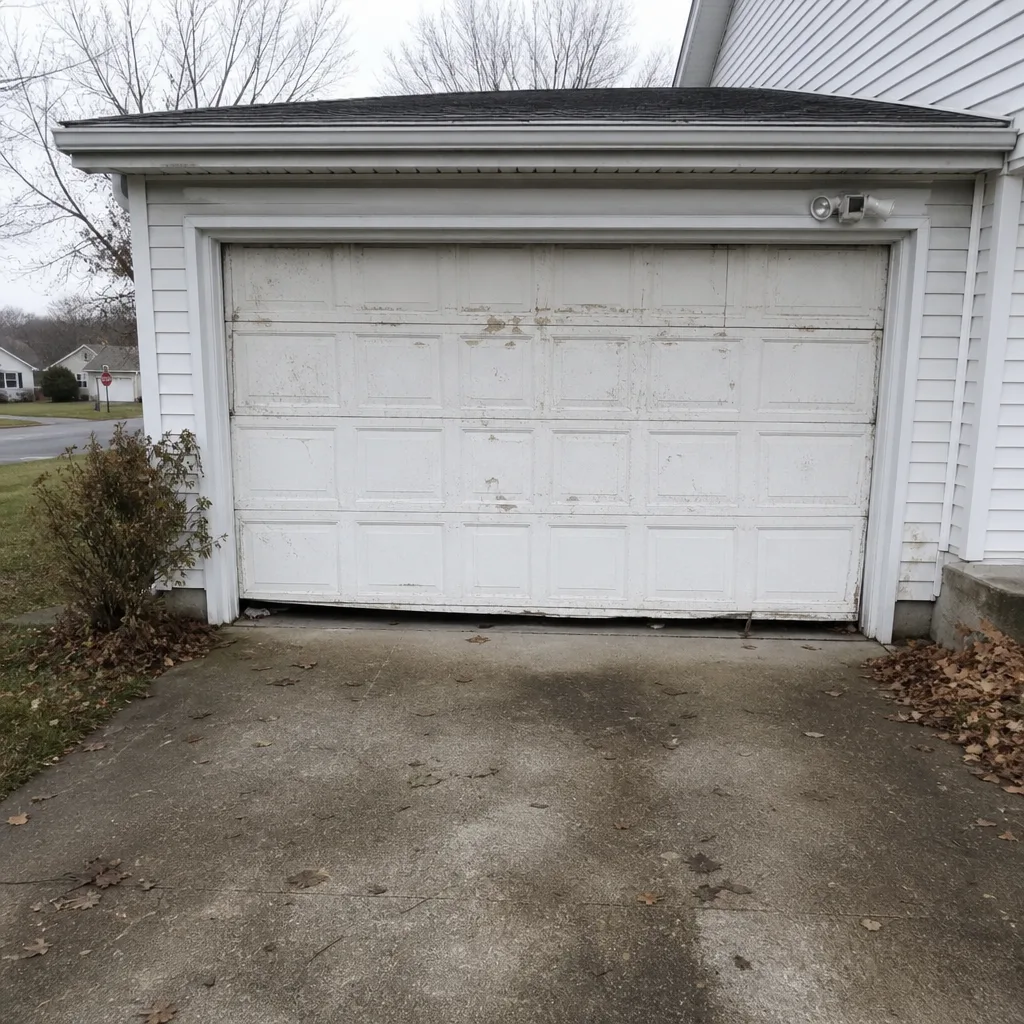 Before
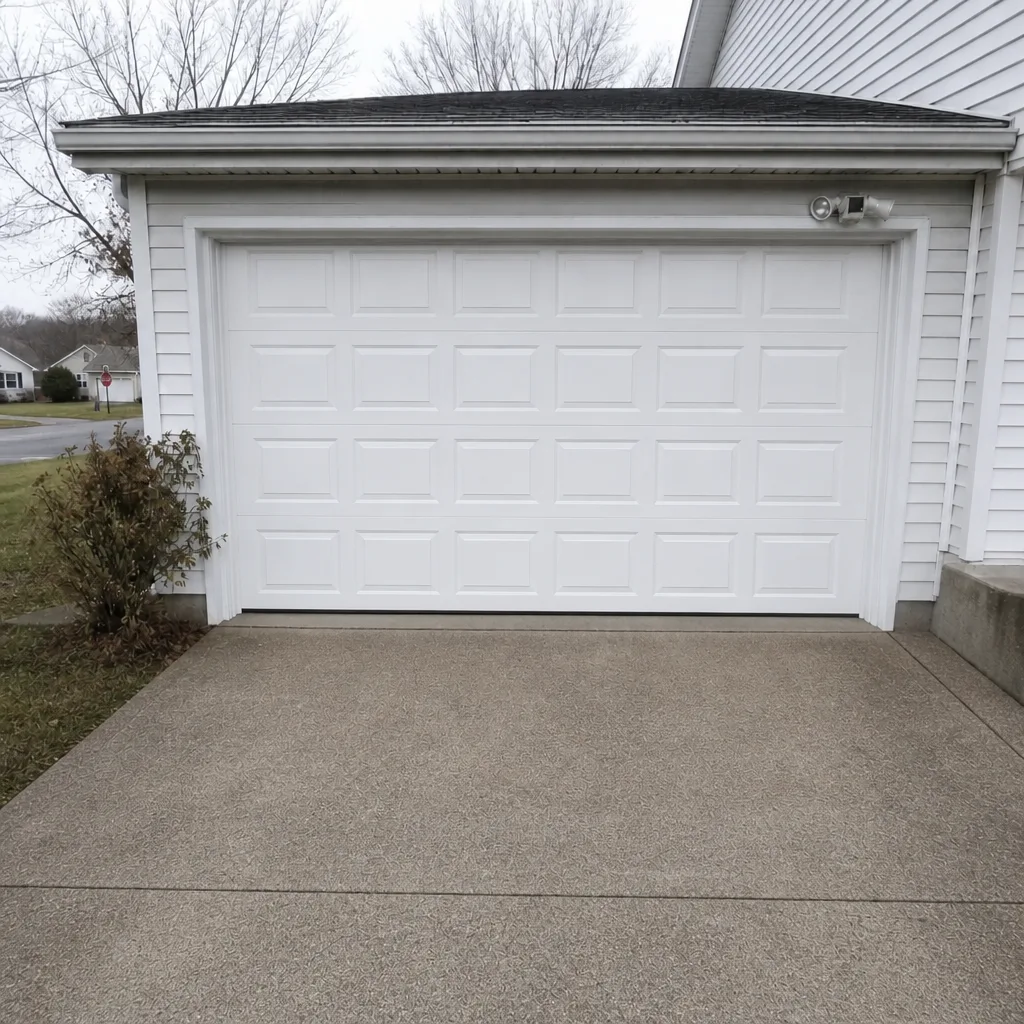 After
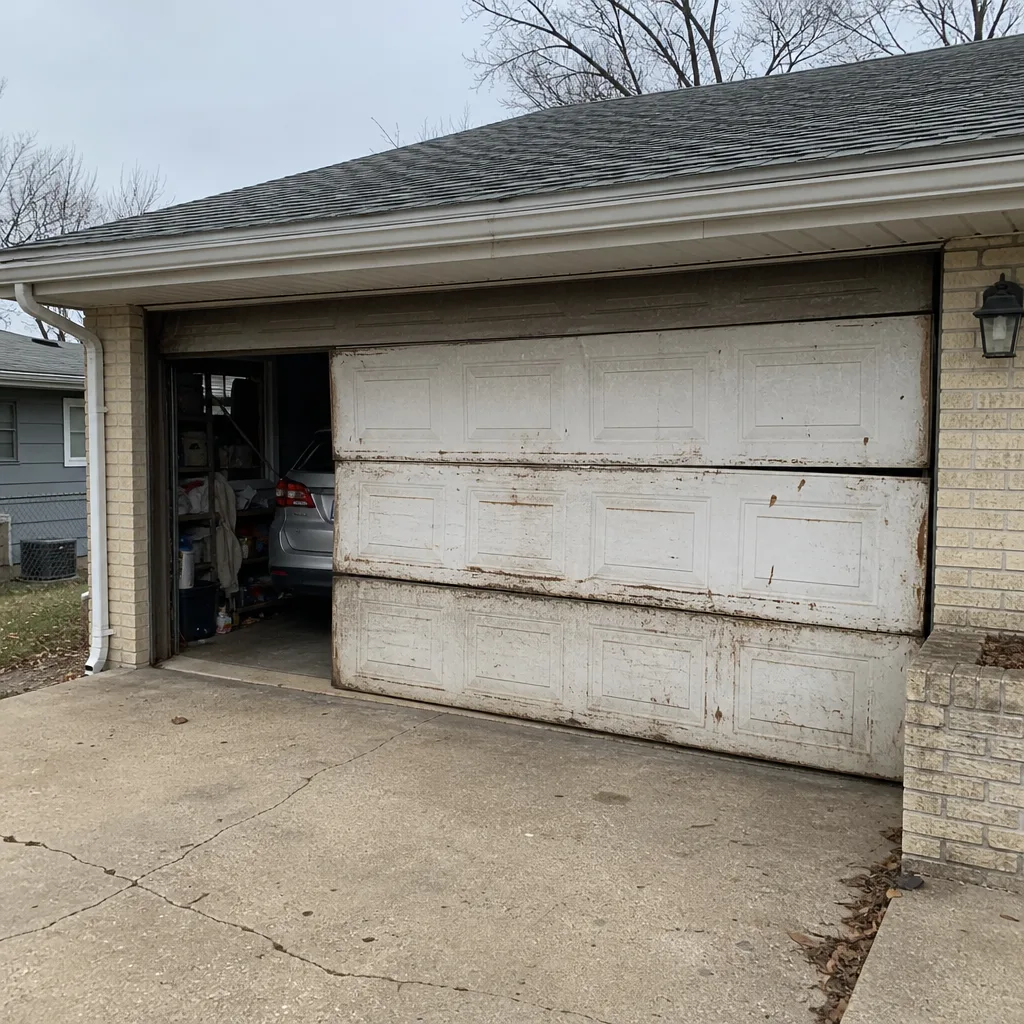 Before
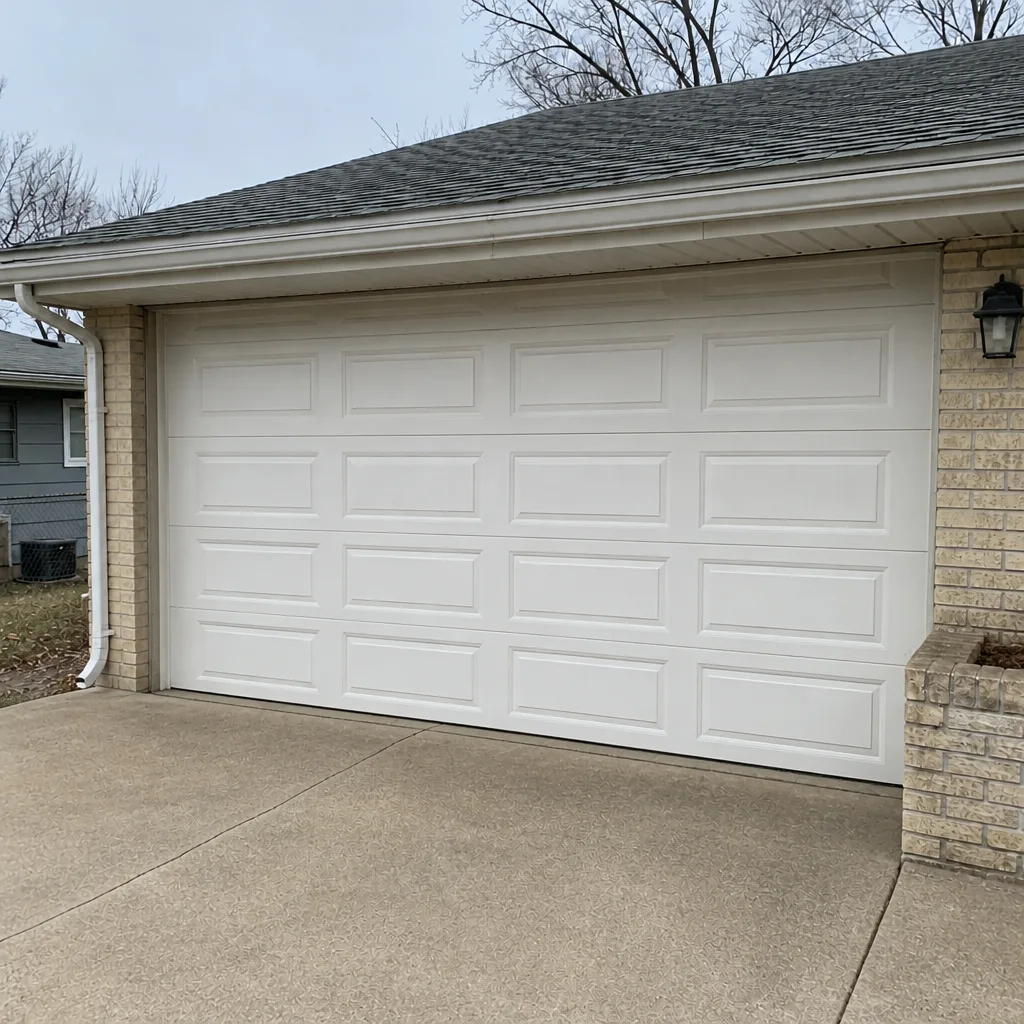 After
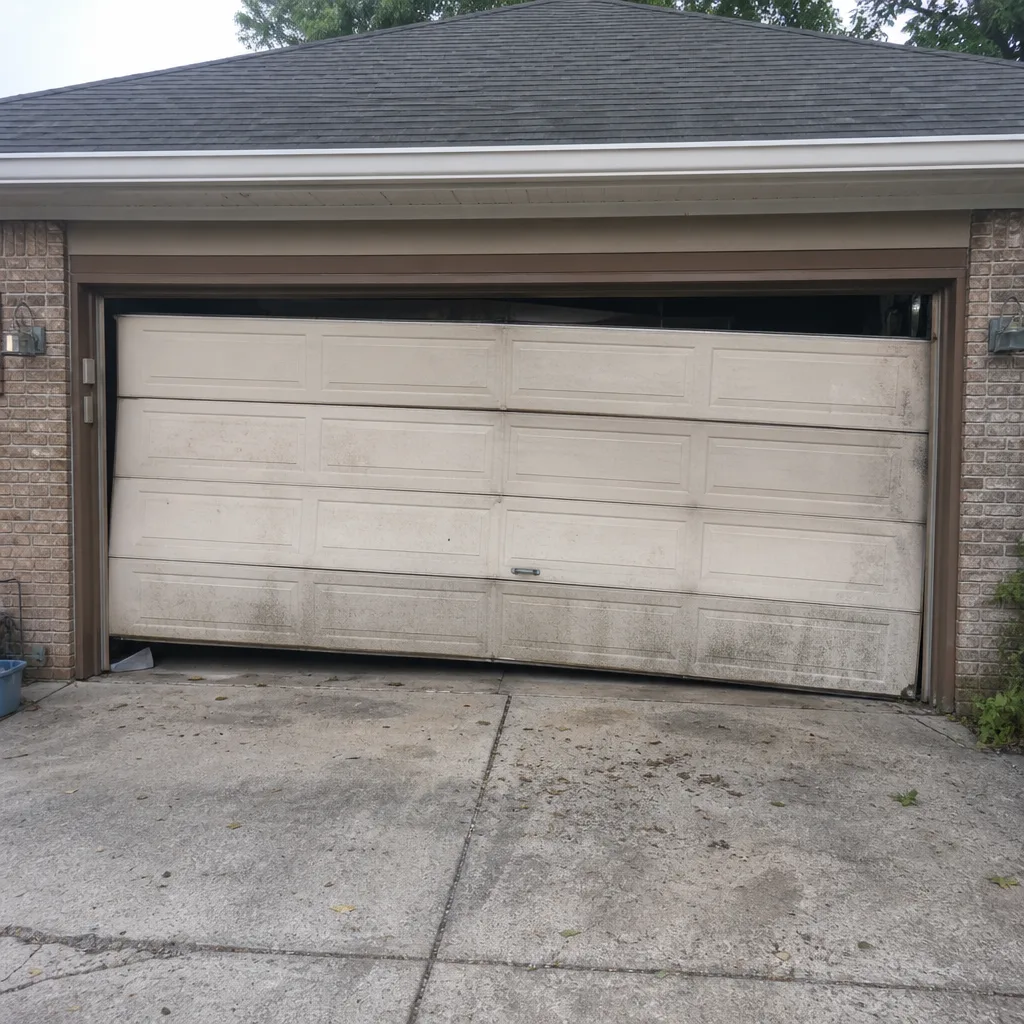 Before
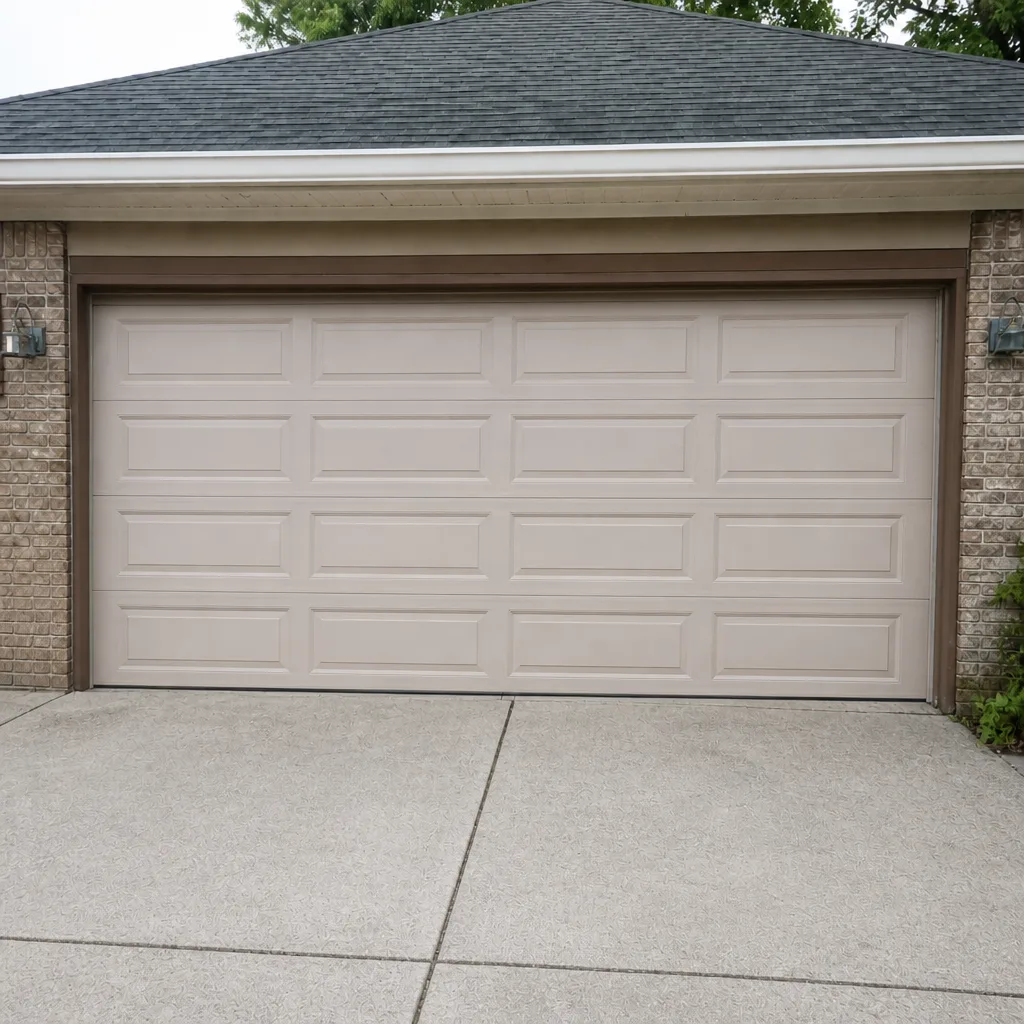 After