
Last updated November 22, 2026
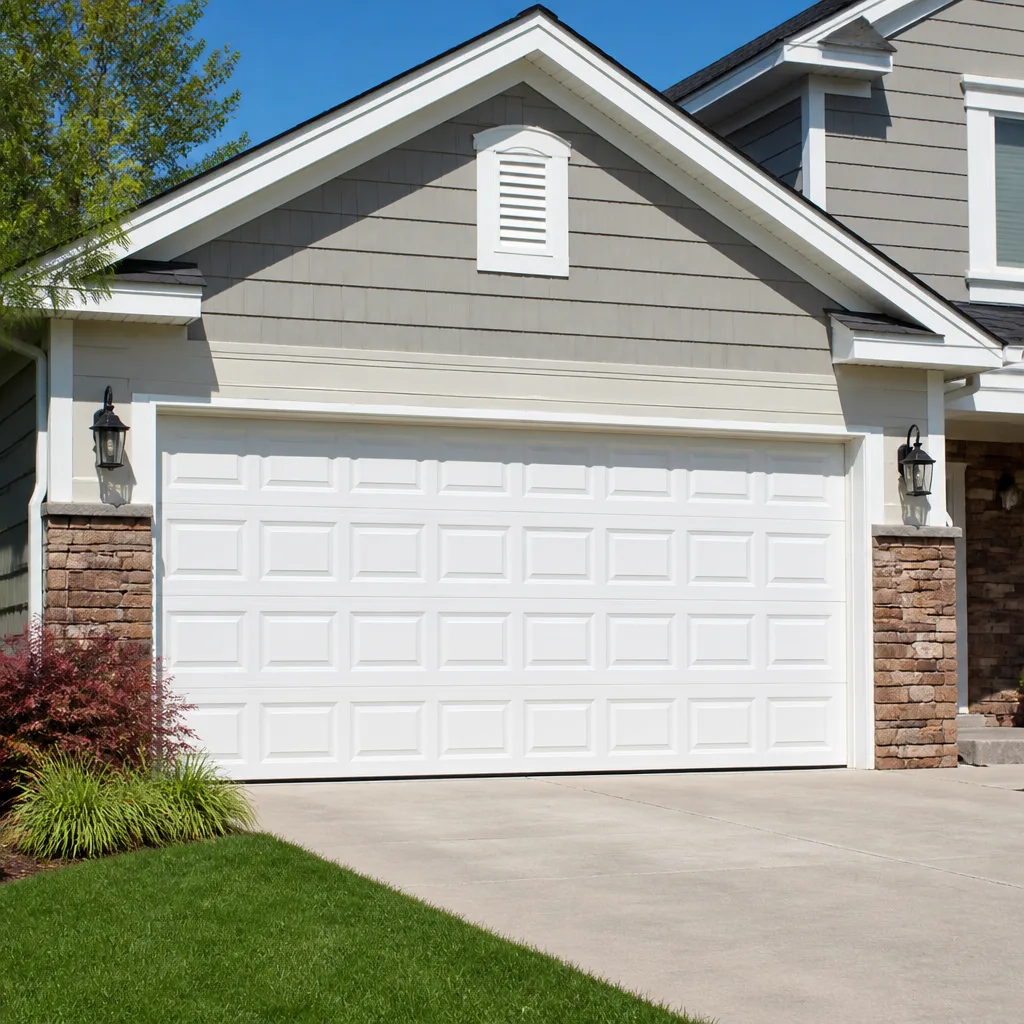 Raised-panel steel
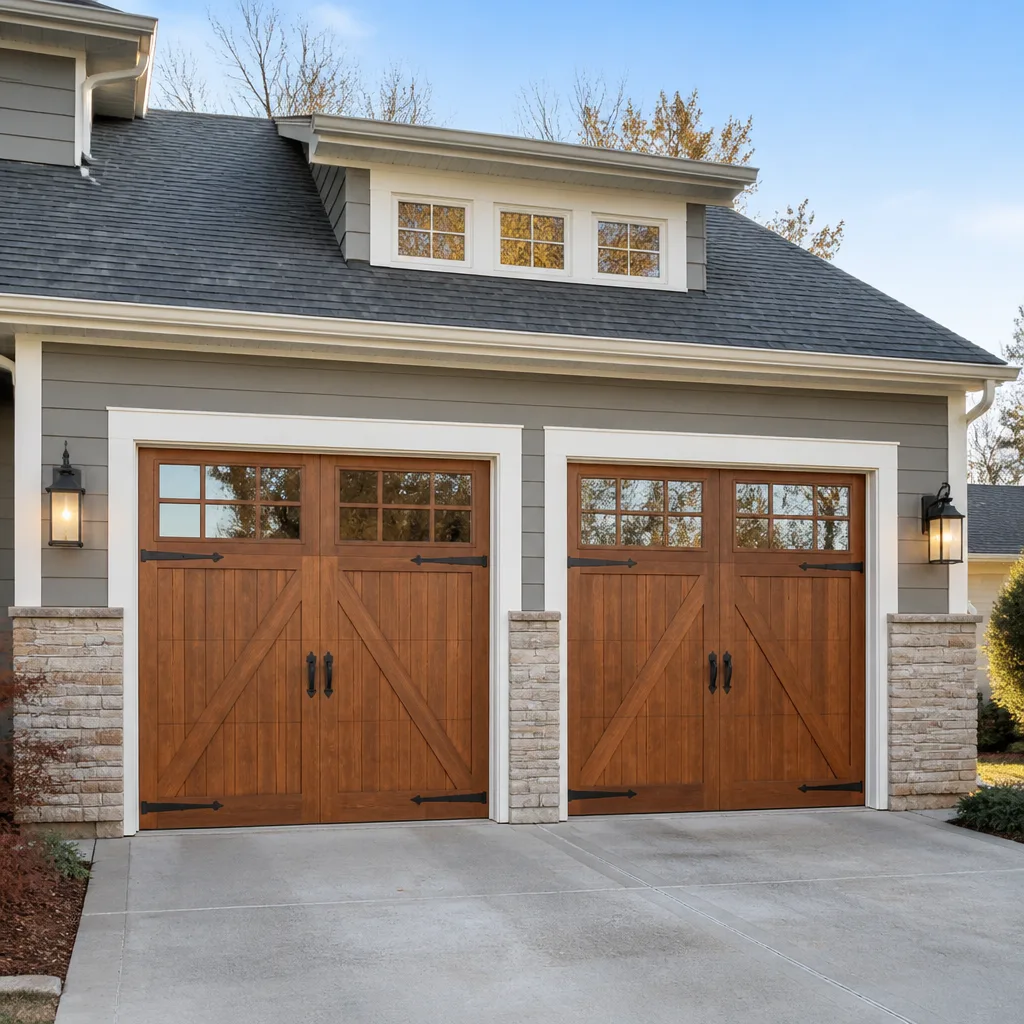 Carriage house
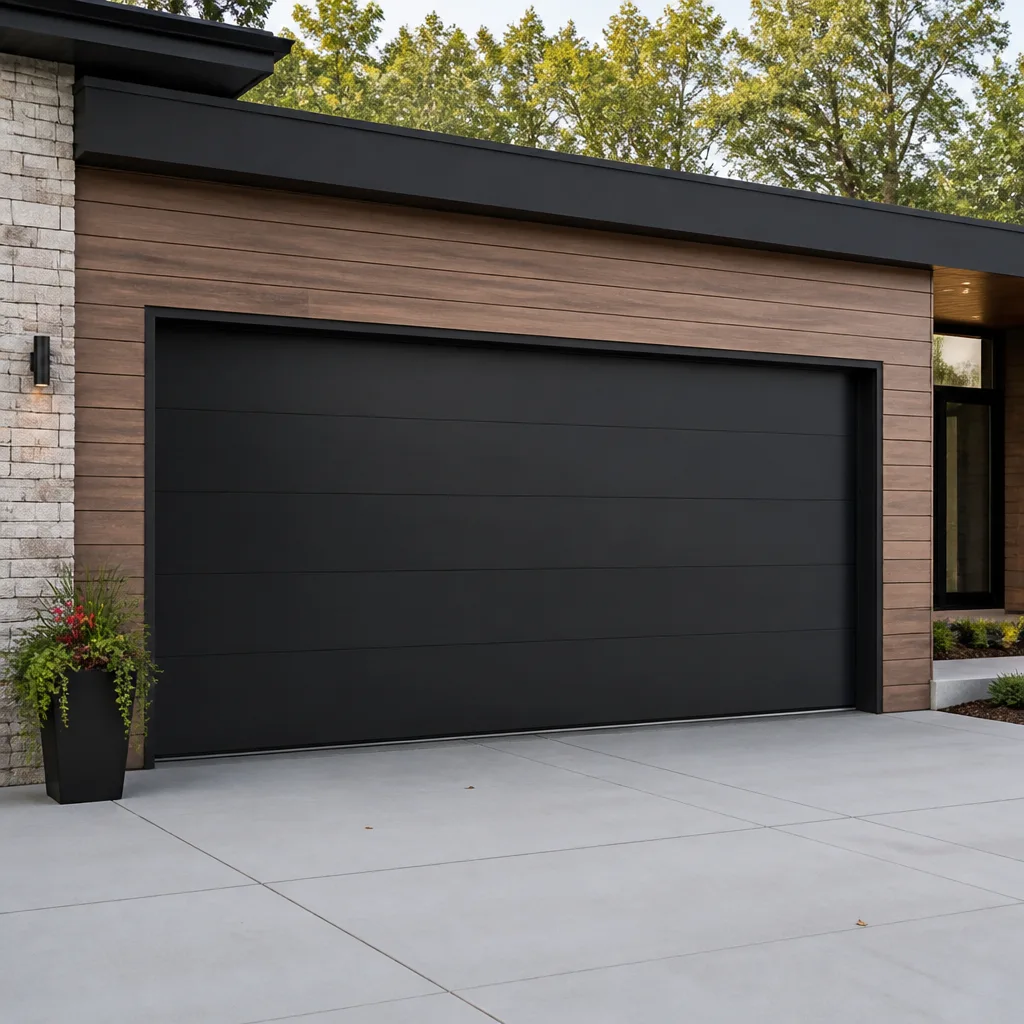 Modern flush
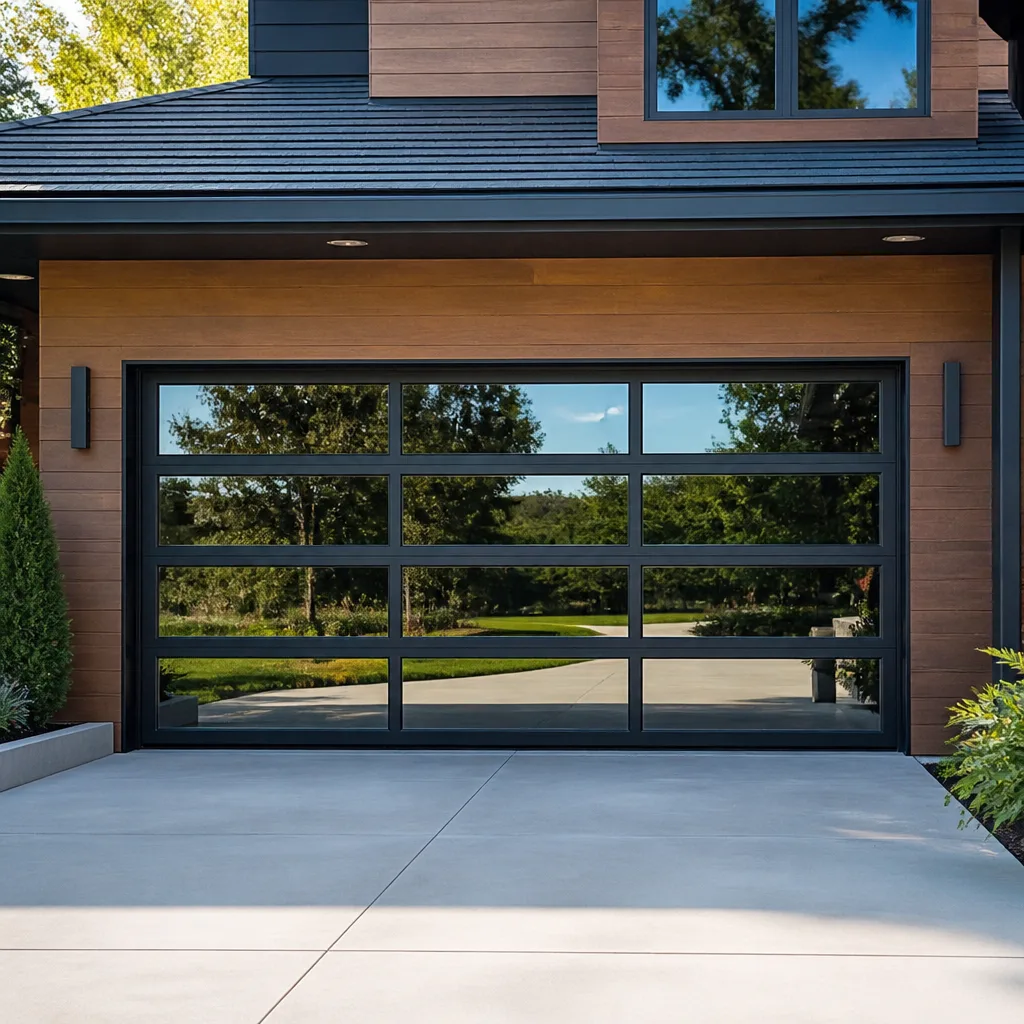 Full-view glass
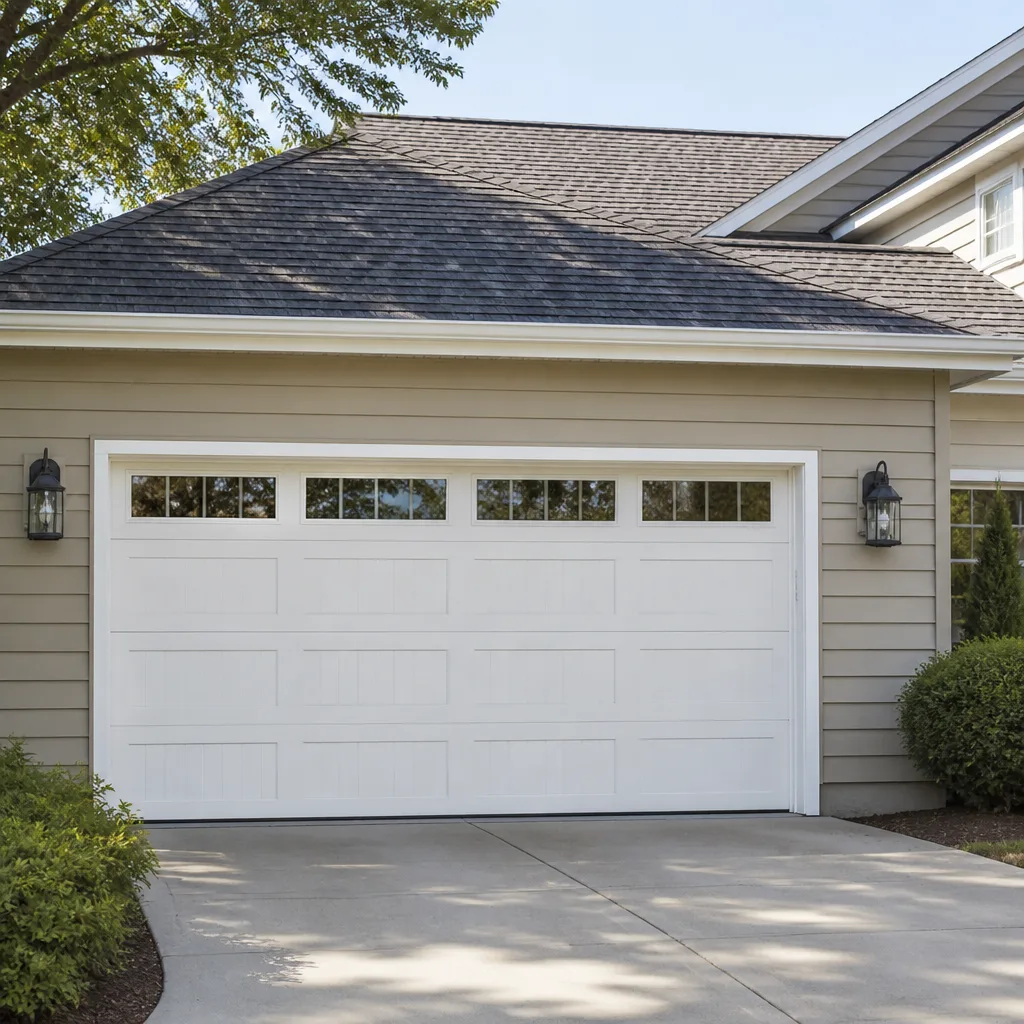 LiftMaster openers
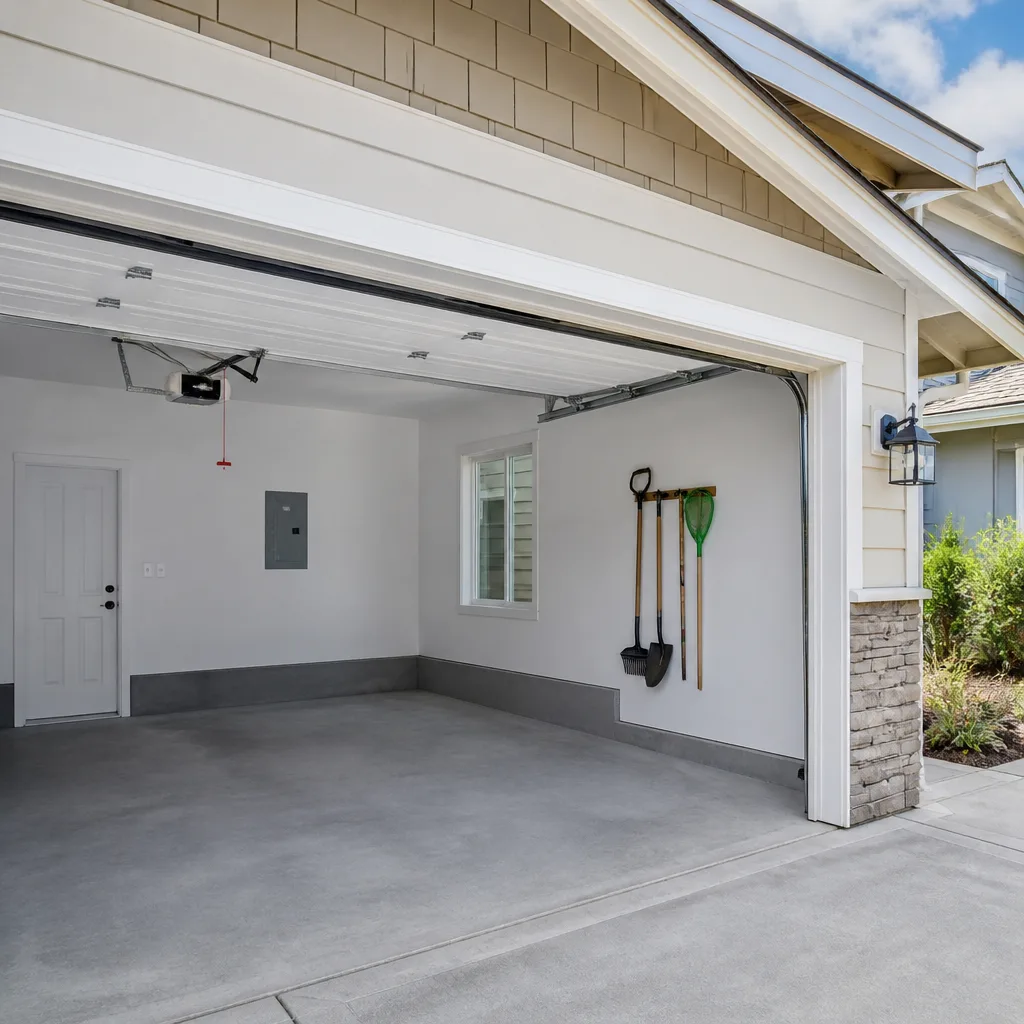 Chamberlain openers
Full 25-point door and opener safety check with every visit - springs, cables, rollers, tracks, and your LiftMaster or Chamberlain opener included
You get a price before we start. It does not change when the pro arrives.
Get your free estimateChoosing the Right Garage Door Brand: A Buyer’s Guide for St. Charles
The name on the door matters less than the people who install it and the parts that are still available five years later. That’s the part most brand guides skip. But material grade and spring design really do vary between manufacturers, and in St. Charles those differences turn into a real ten-year cost gap. A few dollars saved on a builder-grade panel can cost far more in repairs well before the door should be anywhere near the end of its life. This guide walks through the brands commonly sold around St. Charles, how each holds up to Missouri’s humidity-and-freeze cycle, how to read a spec sheet, and how to tell whether a dealer is steering you toward what works or toward what pays them best. We service every major brand, so we have nothing to gain by selling you one.
Quick Answer
There’s no single “best” garage door brand for St. Charles. Clopay, Amarr, and Wayne Dalton all build doors that last when the steel gauge, insulation, and spring system are right for the opening. What actually determines how long a door lasts here is the installer’s measuring and hanging, the spring design, and how available replacement parts are for that model. A well-installed mid-grade door from a supported brand beats a premium door hung badly every time.
Styles & brands we work with
- Raised-panel steel
- Carriage house
- Modern flush
- Full-view glass
- LiftMaster openers
- Chamberlain openers
Table of Contents
- Does the Garage Door Brand Actually Matter?
- How the Major Brands Compare on What Counts
- Which Brands Hold Up Best in St. Charles’s Climate?
- How to Decode a Garage Door Spec Sheet
- Why the Opener Brand Matters Separately
- How to Evaluate a Dealer’s Recommendation
- What a Proper Installation Involves
- Common Mistakes to Avoid
Does the Garage Door Brand Actually Matter?
The brand matters some, but not in the way advertising suggests. Two doors from the same manufacturer can differ wildly depending on which line within that brand you bought. The steel gauge, the insulation package, and the spring system do the heavy lifting. The logo on the bottom bracket is mostly a promise about consistency and parts.
Here’s what actually determines how a door holds up in St. Charles:
- Panel steel gauge. Thinner steel dents more easily and rusts faster at the bottom edge where road splash collects. A heavier gauge holds its shape through the freeze-thaw swings that push and pull metal all winter.
- Insulation and thermal break. An attached garage shares a wall with the house. A poorly insulated door turns that garage into a heat sink in July and a freezer in January, and you feel it in the rooms above.
- Spring system design. Torsion springs on a center shaft are the standard for a reason. They’re easier to balance, last longer than extension springs on most residential doors, and fail more predictably. An undersized spring is the number one cause of doors that feel heavy or stop halfway.
- Parts availability. A brand whose hinges, rollers, and bottom seals you can actually get in five years is worth more than a slightly nicer panel today.
We work on your brand because we’ve seen what happens when the wrong door gets sold on price alone. It’s rarely the panel that fails first. It’s the springs, the rollers, or the bottom seal that nobody stocked.
How the Major Brands Compare on What Counts
These are the brands we install and service most often around St. Charles. We’re not ranking them, because the “best” pick depends on your opening, your budget, and whether the garage is attached. What follows is what we’ve observed across each one on panel gauge, spring design, warranty, and how easy they are to get parts for locally.
- Clopay. Wide range from builder-grade to insulated premium. Steel gauge increases as you move up the line. Insulation options are strong on the mid and upper models, which matters for St. Charles homes with a bedroom over the garage. Parts are widely stocked, so replacing a hinge or bottom seal doesn’t mean a wait. Warranty terms vary by line, so read the specific model, not the brand page.
- Amarr. Known for solid steel doors with a sturdy feel and good panel options. Insulation packages on the upper lines perform well in cold snaps. Warranty coverage on the higher lines tends to be competitive. Parts availability is generally good through local suppliers, though some trim pieces can take longer to source than Clopay.
- Wayne Dalton. Strong on the entry-to-mid range, with some models that use proprietary hardware. That’s fine while everything works, but it can mean a longer wait when a specific part fails. The better-insulated models hold up well. If you’re considering one, ask the dealer which components are proprietary and what happens when one needs replacing.
- CHI. Often seen on newer builds in the area. Solid gauges and decent insulation. Parts are less universally stocked than the bigger names, so a repair can run a day or two longer depending on the model.
On any of these, the spring system is the part that quietly determines how the door feels to operate. An undersized spring on a heavy door will wear out fast, no matter whose name is on it. That’s why we treat garage door spring repair as its own specialty rather than an afterthought.
Which Brands Hold Up Best in St. Charles’s Climate?
St. Charles sits in a part of Missouri that gets real summer humidity and real winter freezes. That swing is hard on garage doors. Wood swells and shrinks. Steel expands and contracts. Rubber seals harden and crack. The brands that hold up here aren’t necessarily the most expensive. They’re the ones whose materials and finish handle the cycle.
What we see three, five, and ten years in:
- Bottom edges rust first. Snowmelt and rain splash collect at the bottom of the door. Doors with a factory-applied finish and a proper bottom seal rust later than bare or thin-coated steel. Clopay and Amarr tend to hold up well here when the finish is well applied.
- Panel seams flex. Repeated freeze-thaw works the seams harder in this climate than in a milder one. Doors with heavier gauges keep their lines longer, and the garage looks better for it.
- Insulation matters more than you’d think. A poorly insulated door on an attached garage in St. Charles means the room above it runs cold in January and hot in July. Insulated doors with a thermal break reduce that swing.
- Hardware wears faster in humidity. Rollers, hinges, and springs all see more moisture here than in drier climates. Stainless or coated hardware lasts longer. It’s a small upgrade with an outsized effect.
Wayne Dalton and CHI both make doors that perform well in this climate in the insulated lines. The gap between them and the higher-volume brands narrows to parts availability and how quickly a specific piece can be sourced when something does fail. That matters more than most shoppers realize on a cold week in St. Charles.
How to Decode a Garage Door Spec Sheet
Every garage door comes with a spec sheet, and most of it is written to sell the door rather than inform the buyer. The two numbers worth understanding are the steel gauge and the R-value. Here’s how to read them without getting lost.
Steel Gauge
Lower gauge means thicker steel. A 24-gauge door is thinner than a 27-gauge door, and you’ll feel the difference when you knock on a panel. For a residential door in St. Charles, look for 25 gauge or heavier on the panels. Anything thinner is builder-grade and will dent through a normal life.
R-Value
R-value measures resistance to heat flow. A higher number means better insulation. The trick is that manufacturers quote R-value for the center of the panel, not the whole door. The seams, edges, and frame lose heat faster than the middle of the panel. A door with a high center R-value but poor edge sealing and no thermal break won’t perform as well as the number suggests.
For an attached garage in St. Charles winters, the practical guideline is this:
- If the garage is attached and there’s a room above, prioritize a door with a thermal break and a full perimeter seal. Those two features matter more than a marginally higher R-value.
- If the garage is detached and only used for storage, a single-layer steel door will do the job. You’ll save money and won’t notice the insulation difference.
- Ask the dealer to show you how the panels join. A tongue-and-groove or shiplap joint seals better than a flat butt joint, and that shows up in your heating bill.
- Check whether the quoted R-value is measured or calculated. Measured values come from an actual test. Calculated values are estimates. Ask which one the paperwork uses.
We walk clients through this every time they ask about a new door, because a spec sheet that reads well on paper doesn’t always hold up to a St. Charles winter.
Why the Opener Brand Matters Separately
The door brand and the opener brand are separate decisions, and mixing them carelessly is a common source of trouble. An opener that’s matched to the door’s weight and travel requirements runs quietly for years. One that’s undersized or mismatched can fail early and take the door’s balance with it.
We repair openers across LiftMaster, Chamberlain, Genie, and Craftsman, which cover the vast majority of openers in St. Charles homes. Here’s what to know about pairing:
- Weight ratings matter most. An opener rated for a lighter door will strain on a heavier one. A heavy insulated door needs an opener with a higher duty rating, and a belt or chain drive with the right horsepower.
- Smart features are brand-specific. MyQ on Chamberlain and LiftMaster, Aladdin Connect on Genie. If you want app control, the app ecosystem is a real factor, not a gimmick.
- Known compatibility issues exist. Some older openers work poorly with newer heavy doors because the rail length and carriage design aren’t matched. If you’re pairing a new-door purchase with an existing opener, ask the installer to check compatibility before you commit.
- Battery backup. If your home was built or the opener installed after Missouri’s adoption of the 2018 IECC, a battery backup may be required. Ask the city’s building department to confirm what applies to your property.
If your current opener is on its way out, we can diagnose and repair most makes on the same visit. That’s the value of garage door opener repair done by technicians who know the specific brand rather than a generalist guessing at the problem.
How to Evaluate a Dealer’s Recommendation
Most dealers sell one or two brands prominently and recommend those. Sometimes that’s because the brand is genuinely the best fit for your home. Sometimes it’s because the dealer gets better margins or stock support from that manufacturer. You can’t tell the two apart from the showroom, but you can tell from the questions.
Ask these before you commit to a brand:
- “Why this brand for my home specifically?” A good answer references your opening size, whether the garage is attached, and what’s above it. A bad answer is a list of features from a brochure.
- “What’s the steel gauge, and what’s the R-value?” If they can’t quote both quickly, they either don’t know the product or don’t want you to compare.
- “What’s the warranty on the springs?” Spring warranties vary from one to five years or more. A better spring warranty is often a sign of a better-specified door.
- “Which parts on this model are proprietary?” Some brands use proprietary hardware that can be slow to source. A good dealer acknowledges this instead of deflecting.
- “Can I get a written estimate that separates the door, the installation, and the old-door disposal?” Line-item estimates are easy to compare. Lump-sum quotes aren’t.
- “What happens if the door arrives damaged or the wrong size?” This reveals whether the dealer actually measures before ordering or orders from a stock chart.
We’ll always answer those six directly, because the recommendation should stand up to being questioned. If a dealer gets defensive about any of them, that tells you something.
What a Proper Installation Involves
A garage door is a system, not a product. The best door on the market installed sloppily will sag, run loud, and fail early. A properly installed mid-grade door will last for years. Here’s what a correct installation looks like, step by step.
- Measure the opening precisely. Width across the frame, height to the floor, and the headroom above the track. Old homes in St. Charles sometimes have openings that aren’t square, which matters for a new door’s fit.
- Check the framing and the header. The header above the door has to support the weight and the spring load. If it’s undersized or rotted, that needs to be addressed before the door goes up.
- Set the tracks plumb and level. A door that runs uneven wears rollers fast and eventually jumps the track. This is the single most common installation error we see.
- Install the springs and balance the door. The door should hold position at half open. If it drifts, the springs are undersized or the balance is wrong.
- Set the opener travel and force limits. The opener has to stop in the right place and reverse properly under pressure. Too much force and it won’t reverse for a child. Too little and it stops on a cold morning.
- Test the safety reverse. The reversing mechanism has to work on both a mechanical object and a person. That’s a safety-critical check and one we run twice before we sign off.
If you’re in the middle of a broader project around the house, we can also handle garage door repair on the door you already have, so you’re not hiring a second contractor for a separate task halfway through.
Common Mistakes to Avoid
- Choosing the door brand by price alone. The cheapest door in the catalog is often the thinnest gauge with the shortest spring warranty. You’ll pay for it in repairs long before the door should be near replacement.
- Ignoring the opener. A new heavy door on an existing opener rated for a lighter one puts strain on both. Have the opener checked against the new door’s weight before you commit.
- Buying on R-value alone. The center-of-panel R-value doesn’t tell the whole story. Thermal breaks and perimeter seals matter as much for an attached garage in St. Charles.
- Skipping the measurement. A door ordered from a stock chart instead of the actual opening will arrive wrong. That means weeks of waiting for a replacement and an exposed garage in the meantime.
- Going with a brand whose parts you can’t source locally. Proprietary hardware sounds fine until a hinge fails and the replacement is six weeks out. Ask which parts are proprietary before you buy.
- Trusting a dealer who won’t give you a line-item estimate. A written estimate that separates door, labor, and disposal costs is easy to compare against another quote. A lump sum hides the margin.
- Overlooking who installs the door. The best brand in the catalog hung by a rush crew will sag or run loud within a year. Ask who’ll be on site and how long the installation takes.
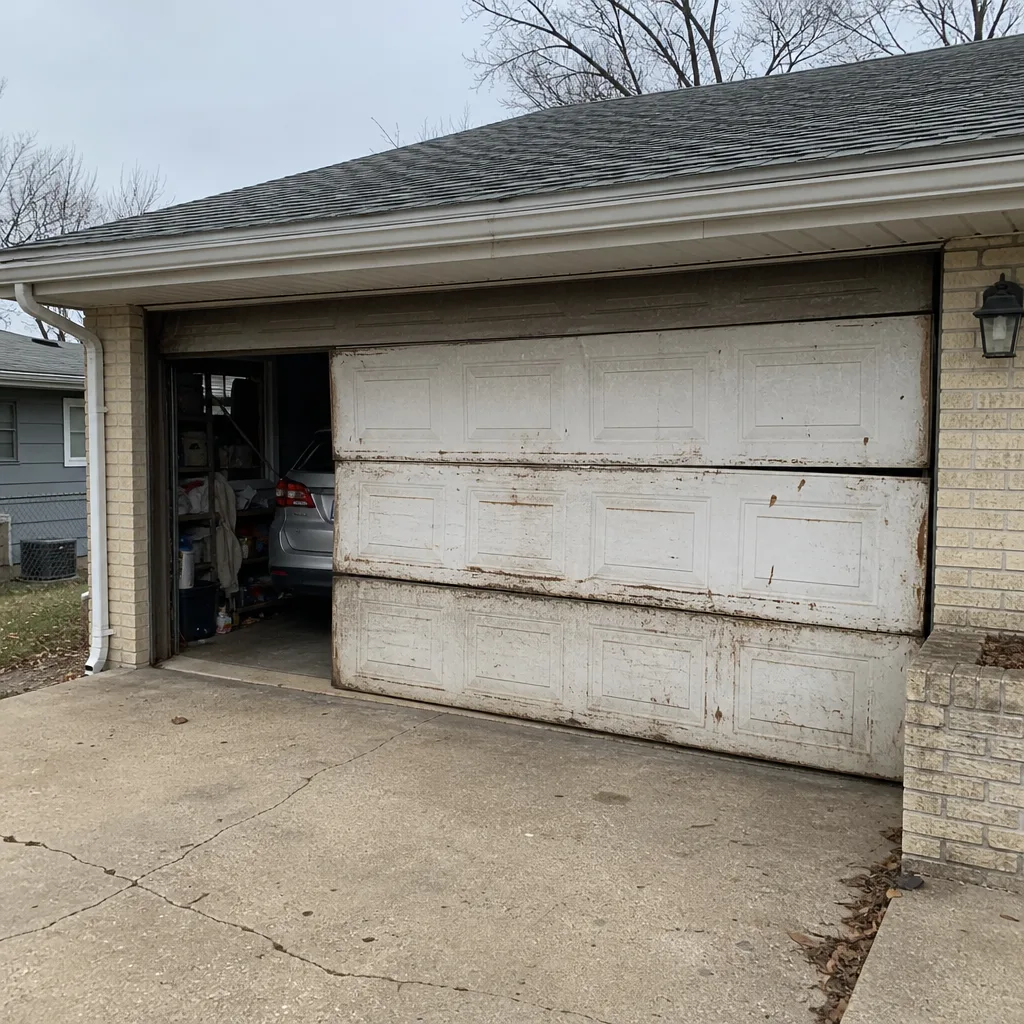
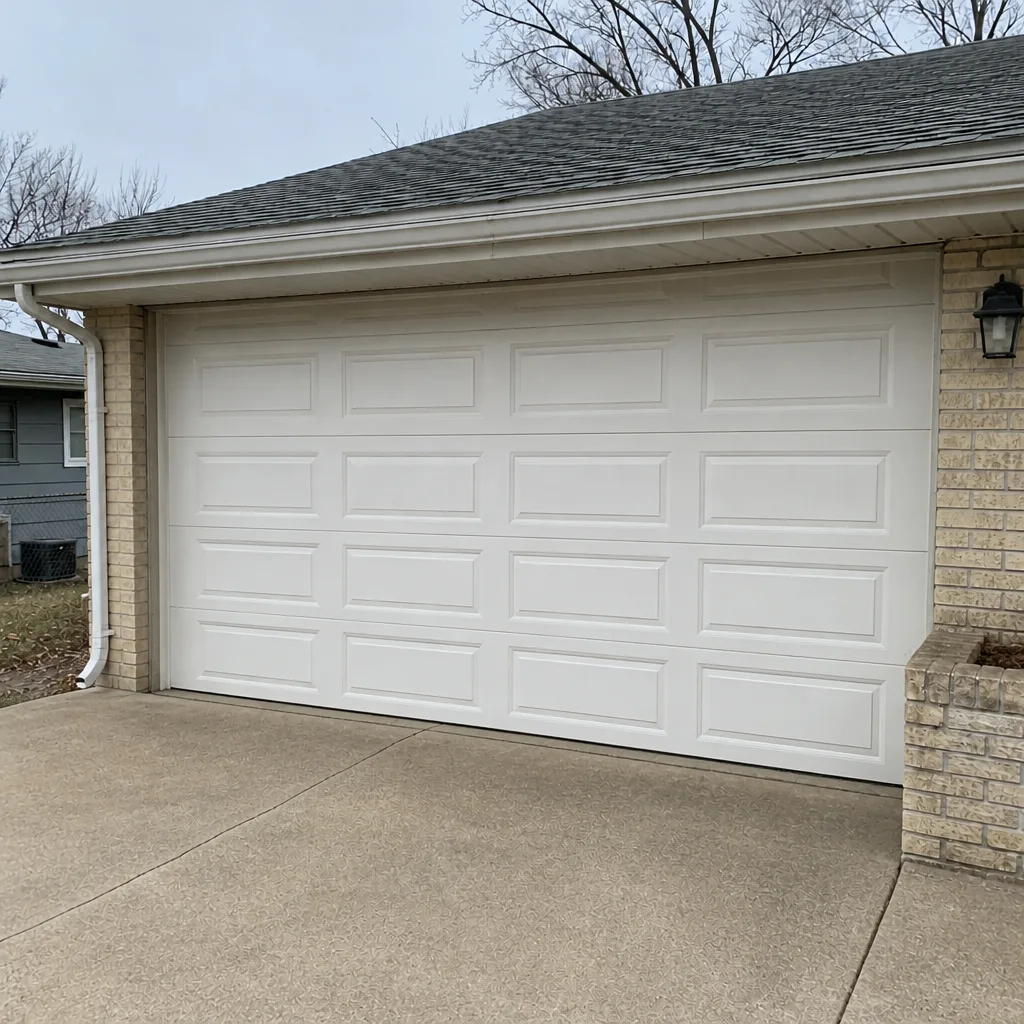
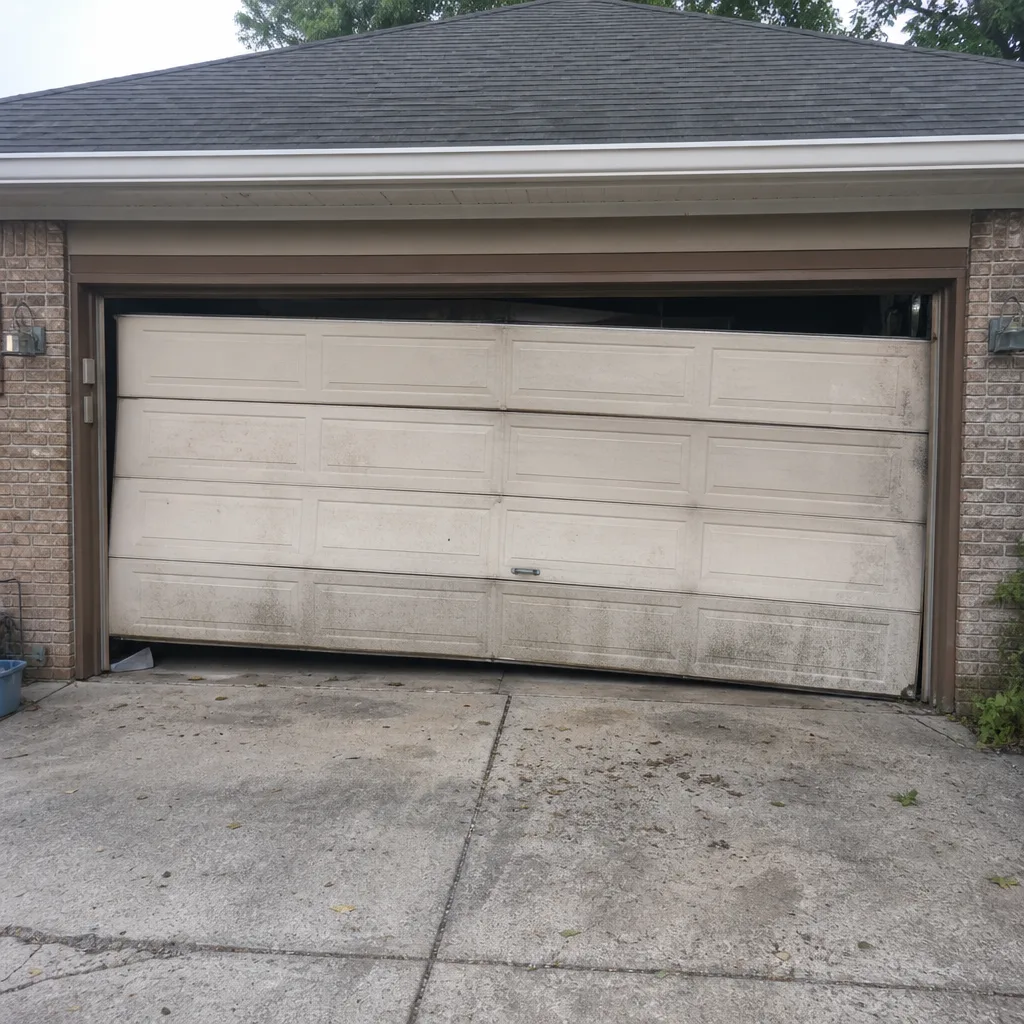
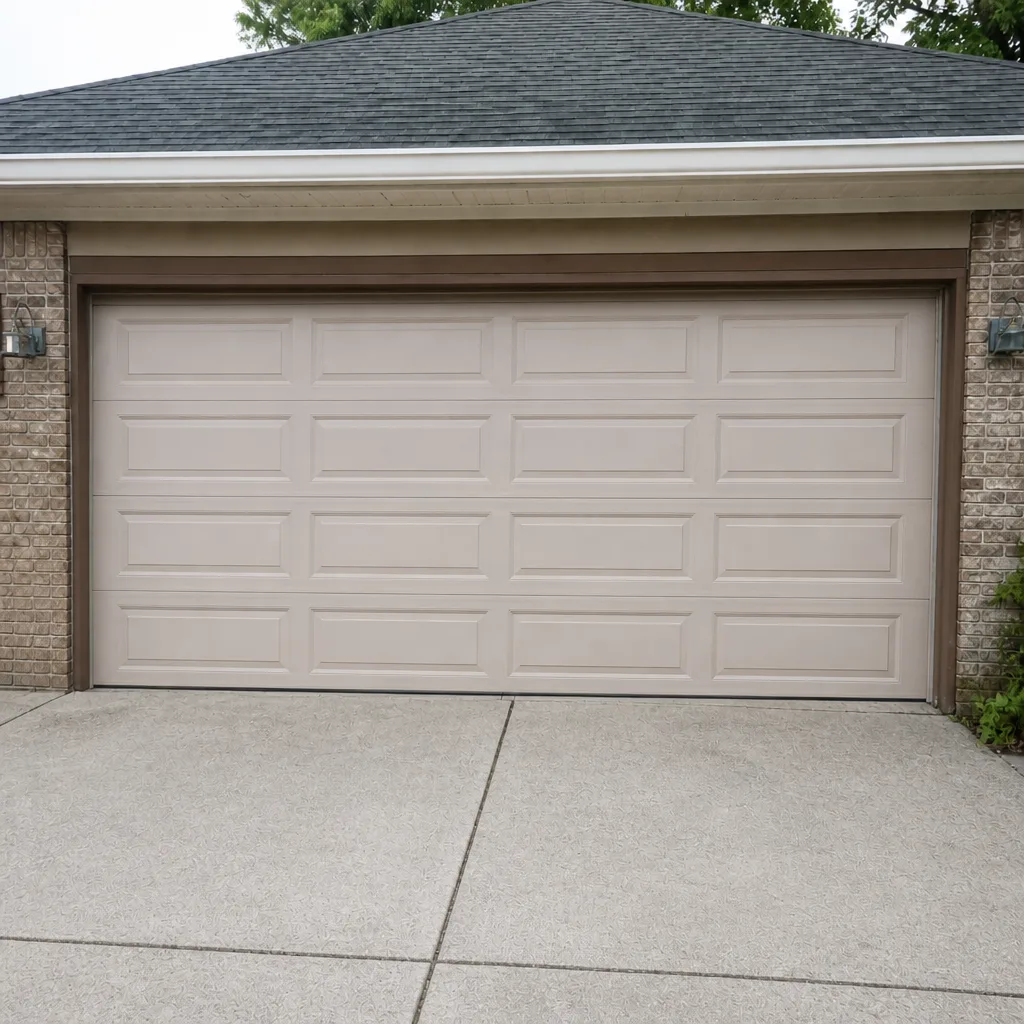
See the difference
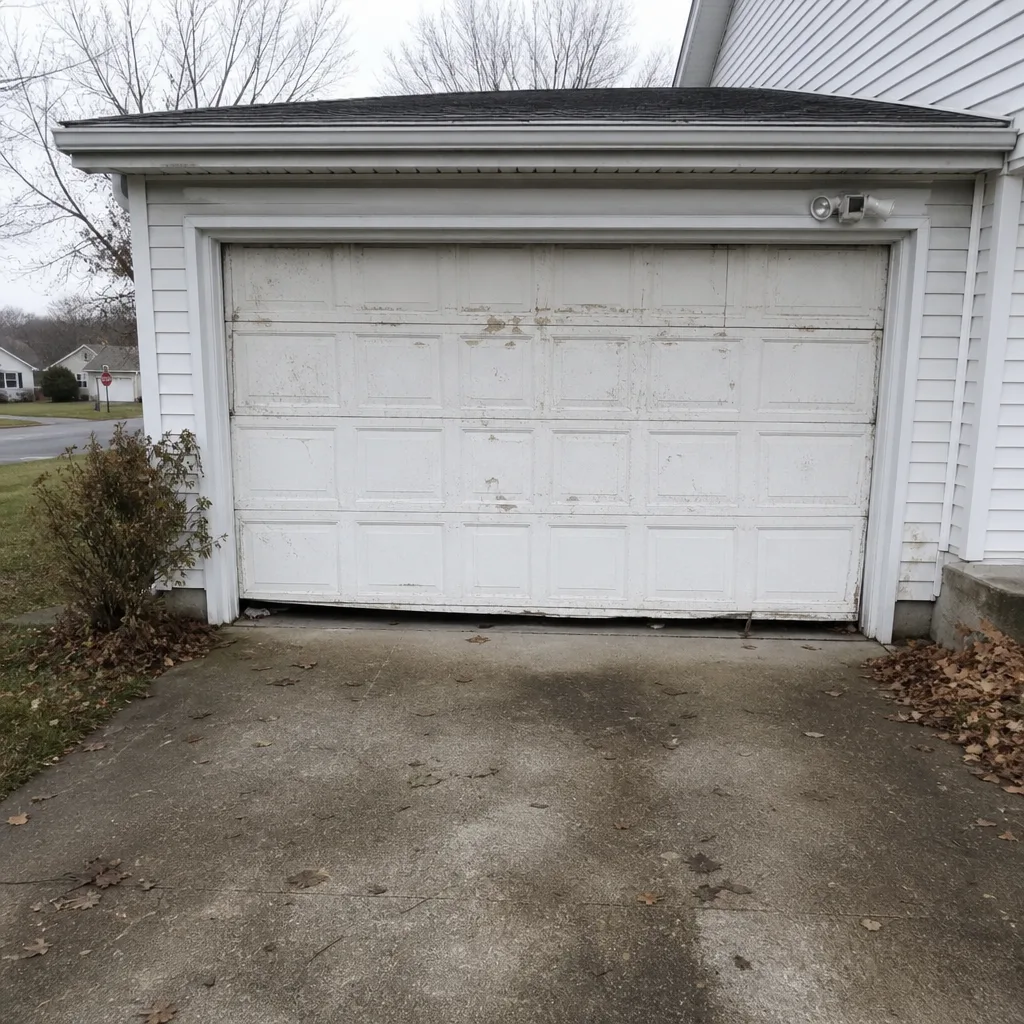 Before
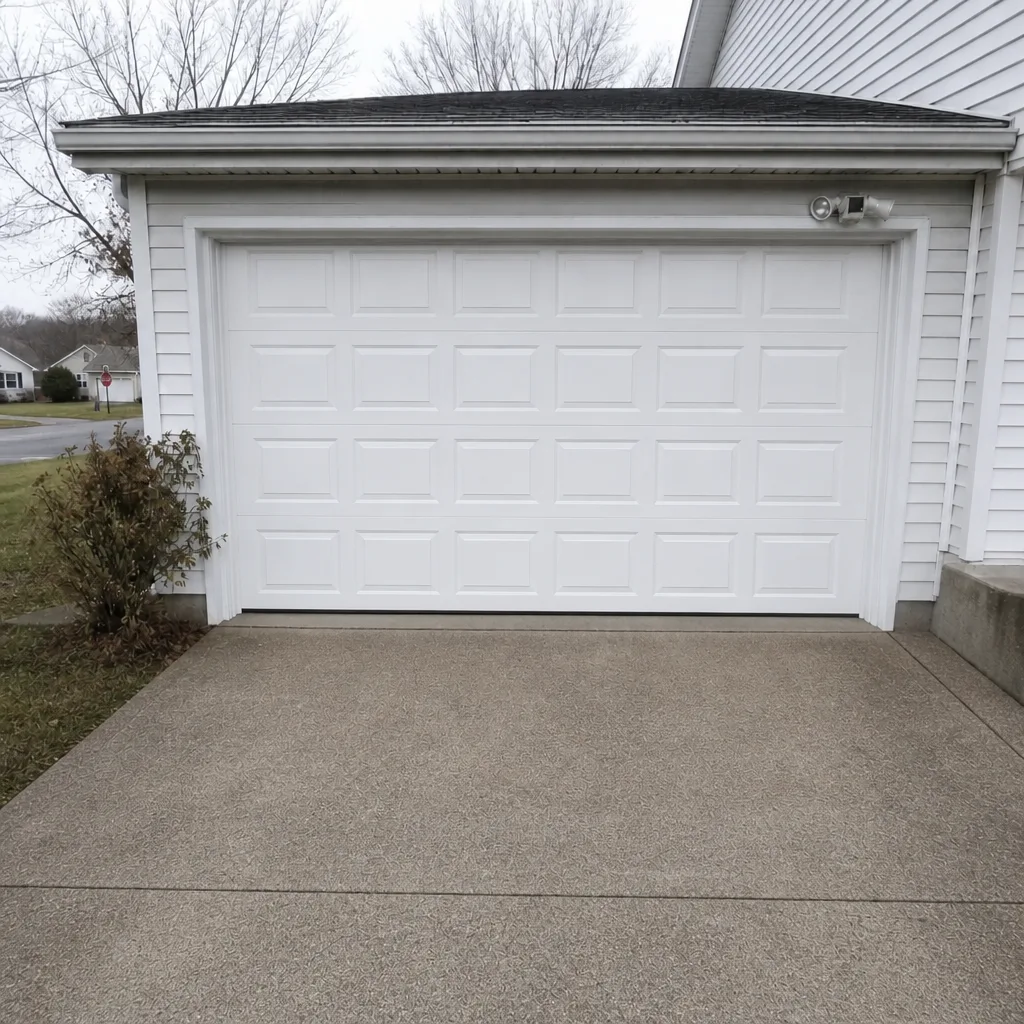 After
 Before
 After
 Before
 After
When to Call a Professional
Some jobs are fine for a homeowner. A bottom seal or a sensor alignment can be a DIY fix. But anything involving the springs, cables, or the balance of the door belongs to a trained technician. Torsion springs are under extreme tension, and a failure during adjustment can cause serious injury. Electrical work on the opener and the safety-reverse system also deserves a professional hand, because a door that fails to reverse on a child is a real hazard.
If your door is off track, has a snapped spring, won’t close, or the opener has quit, that’s the call. We answer 24/7. Fast dispatch from 7am to 7pm, Sunday through Friday, with same-day service on most repair calls in St. Charles. St. Charles Garage Door Repair Co offers free estimates in St. Charles. Call (877) 473-4275. The price is quoted and agreed before any work starts, so you know the number before we touch the door.
Frequently Asked Questions
There’s no single best brand. Clopay, Amarr, and Wayne Dalton all make doors that last when the steel gauge, insulation, and spring system are matched to the opening. For an attached garage in St. Charles, prioritize a door with a thermal break and a proper perimeter seal. The installer’s measuring and hanging matter more than the logo. Call (877) 473-4275 for a free estimate on a door that fits your home.
A well-installed steel door should last 15 to 20 years with normal maintenance. The humidity-and-freeze cycle here wears on the bottom seals and springs first, so those tend to be replaced two or three times over the life of the door. Door brand matters, but maintenance matters more. Call (877) 473-4275 if you’re not sure how much life is left in yours.
Some do, and it’s worth asking which ones before you buy. Wayne Dalton and CHI use proprietary hardware on certain models, which can mean a wait when a specific piece fails. Clopay and Amarr generally use parts that are widely stocked. Ask the dealer which components are proprietary and how fast they can source replacements. Call (877) 473-4275 for a free repair estimate on any brand.
Yes, but the pairing has to be checked against the door’s weight and travel. An opener rated for a lighter door will strain on a heavier one, and the door’s balance can suffer. LiftMaster, Chamberlain, Genie, and Craftsman openers cover most St. Charles homes. Have the opener checked before you commit to a new door. Call (877) 473-4275 with the model number and we’ll confirm fit.
R-value measures how well the door resists heat flow. Higher is better, but the quoted number is for the center of the panel, not the whole door. For an attached garage in St. Charles, thermal breaks and perimeter seals matter as much as the number itself. Call (877) 473-4275 for a free measure and a written price on the right door for your home.
No. The written estimate sets the price, and we quote and agree on it before any work starts. If we discover something during the work that changes the scope, we stop and talk it through before continuing. That’s the only way a garage door estimate should work. Call (877) 473-4275 for a free estimate.
The Bottom Line
The garage door brand matters, but not in the way most guides suggest. What actually determines how long a door lasts in St. Charles is the steel gauge, the spring design, the insulation, and the installer’s measuring and hanging. Clopay, Amarr, and Wayne Dalton are all sound choices when specified correctly. Check the steel gauge and ask which parts are proprietary before you commit. Match the opener to the door’s weight. Ask six direct questions of any dealer before you sign. And remember: a well-installed mid-grade door beats a premium door hung badly every time. If you’re not sure what’s right for your home, the answer usually comes down to a conversation and a measure.
If you’re in St. Charles and ready to talk through brand options, repairs, or a full installation, call (877) 473-4275 for a free estimate. We answer 24/7. Fast dispatch from 7am to 7pm, Sunday through Friday. Our technicians have up to 14 years of experience, and we’re certified to service the eight brands covered in this guide. Whether it’s a snapped spring or a new Clopay door for a St. Charles home, we can handle it start to finish. For a quick look at our full scope, visit St. Charles Garage Door Repair Co.
Written by the team at St. Charles Garage Door Repair Co.