
Last updated November 22, 2026
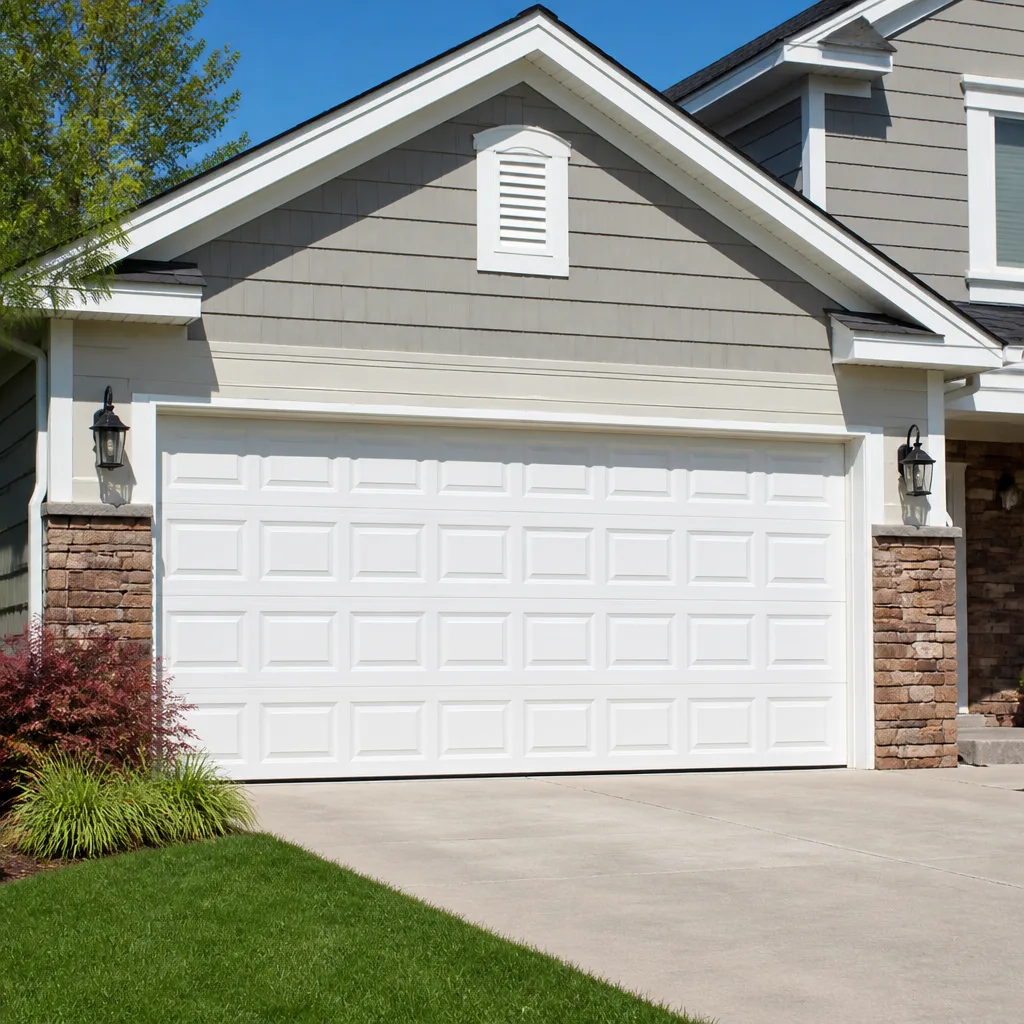 Raised-panel steel
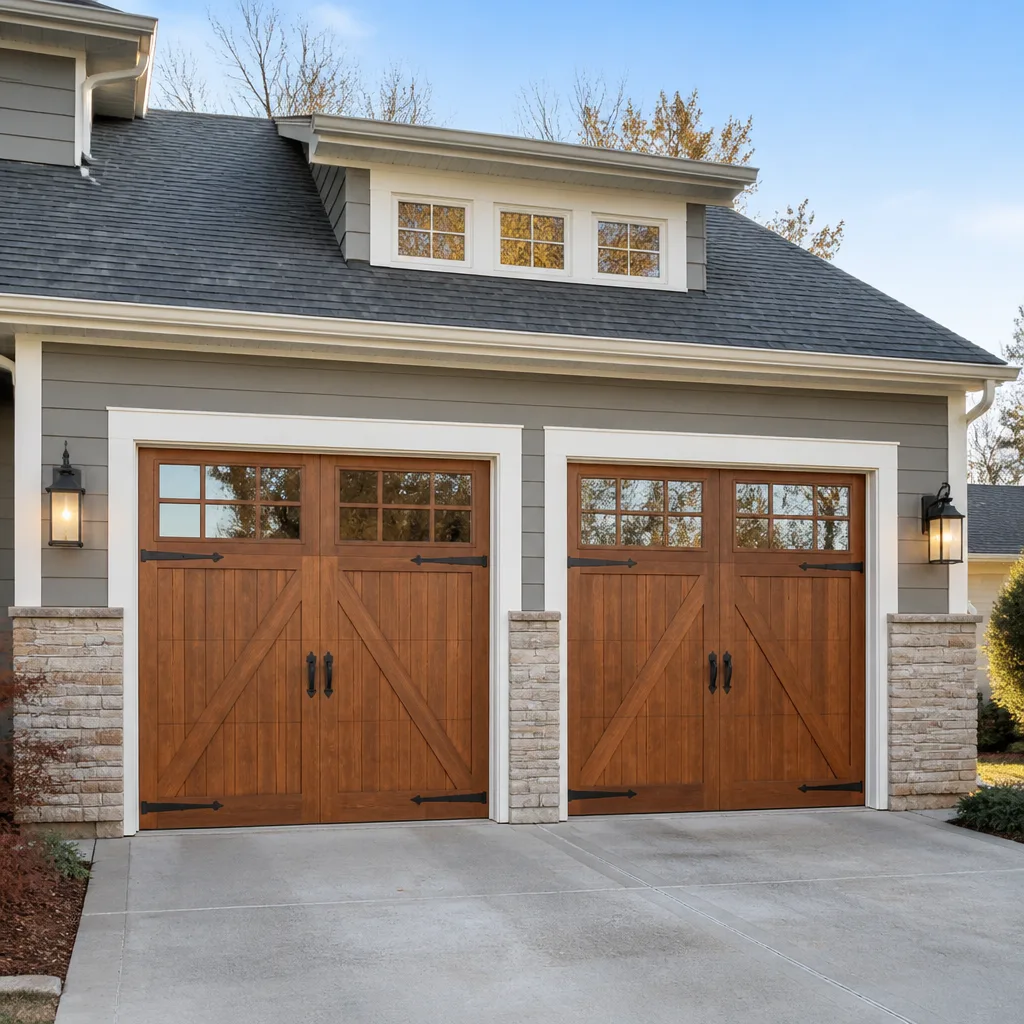 Carriage house
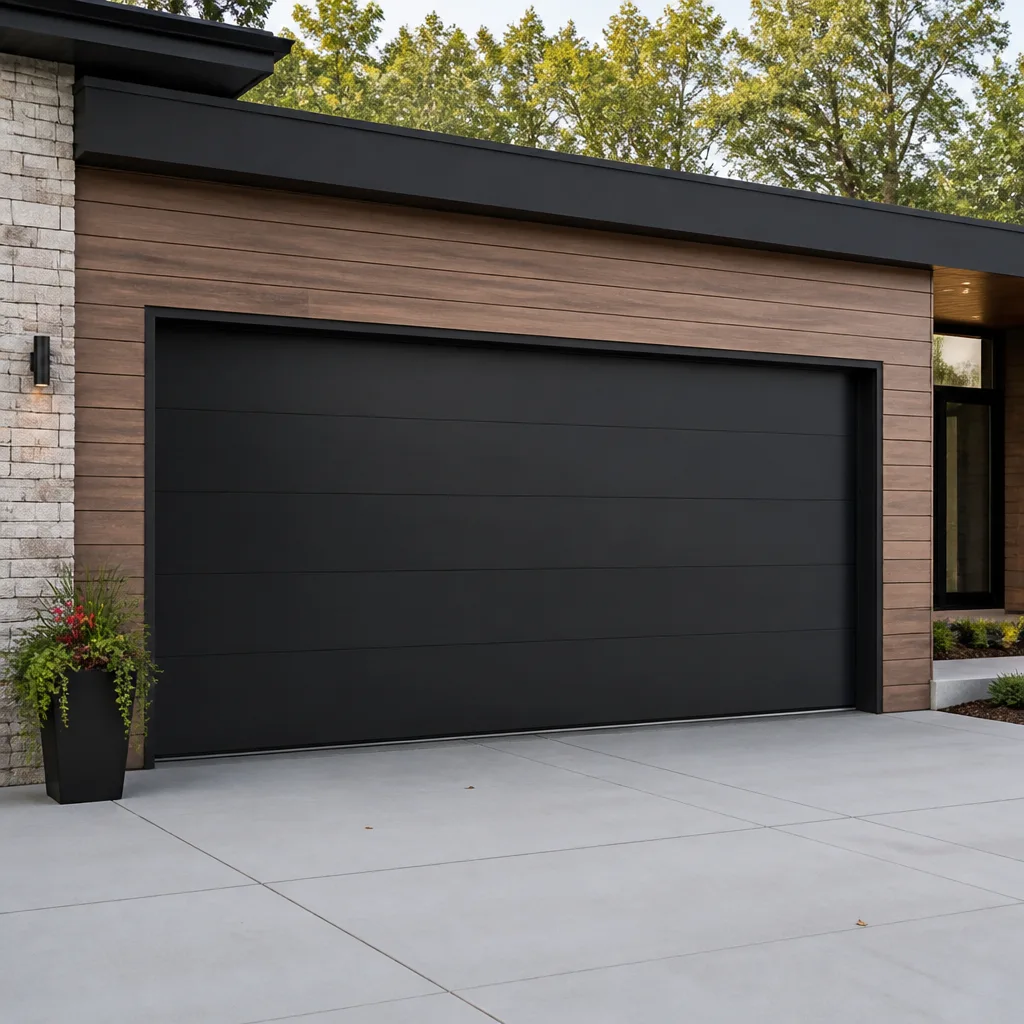 Modern flush
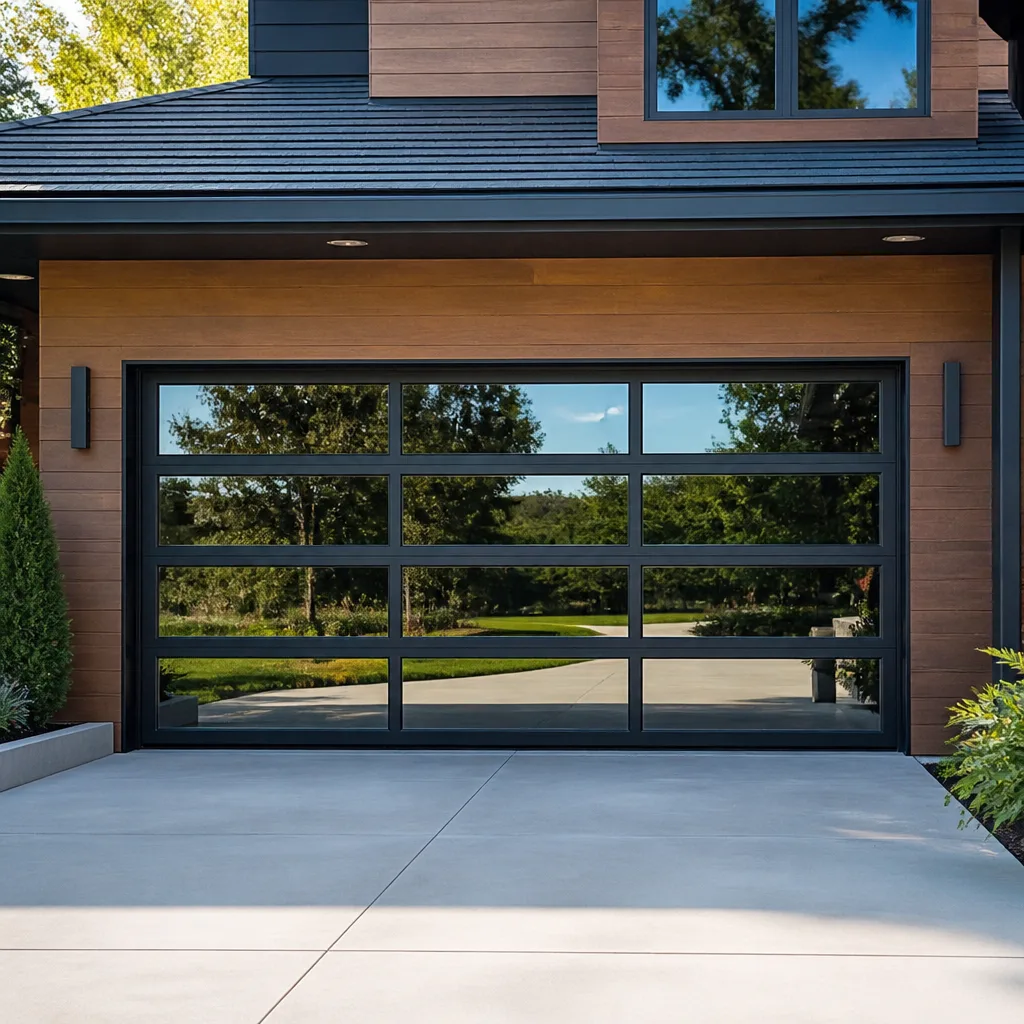 Full-view glass
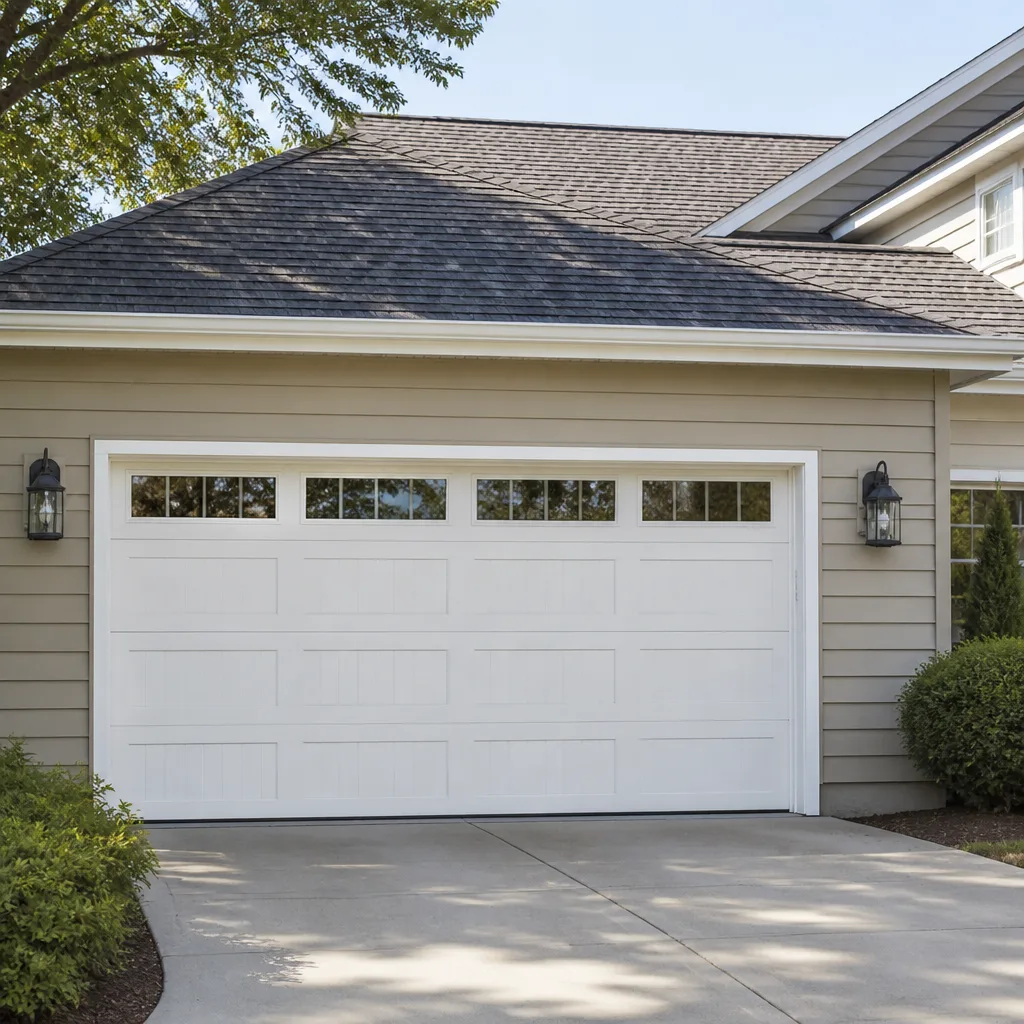 LiftMaster openers
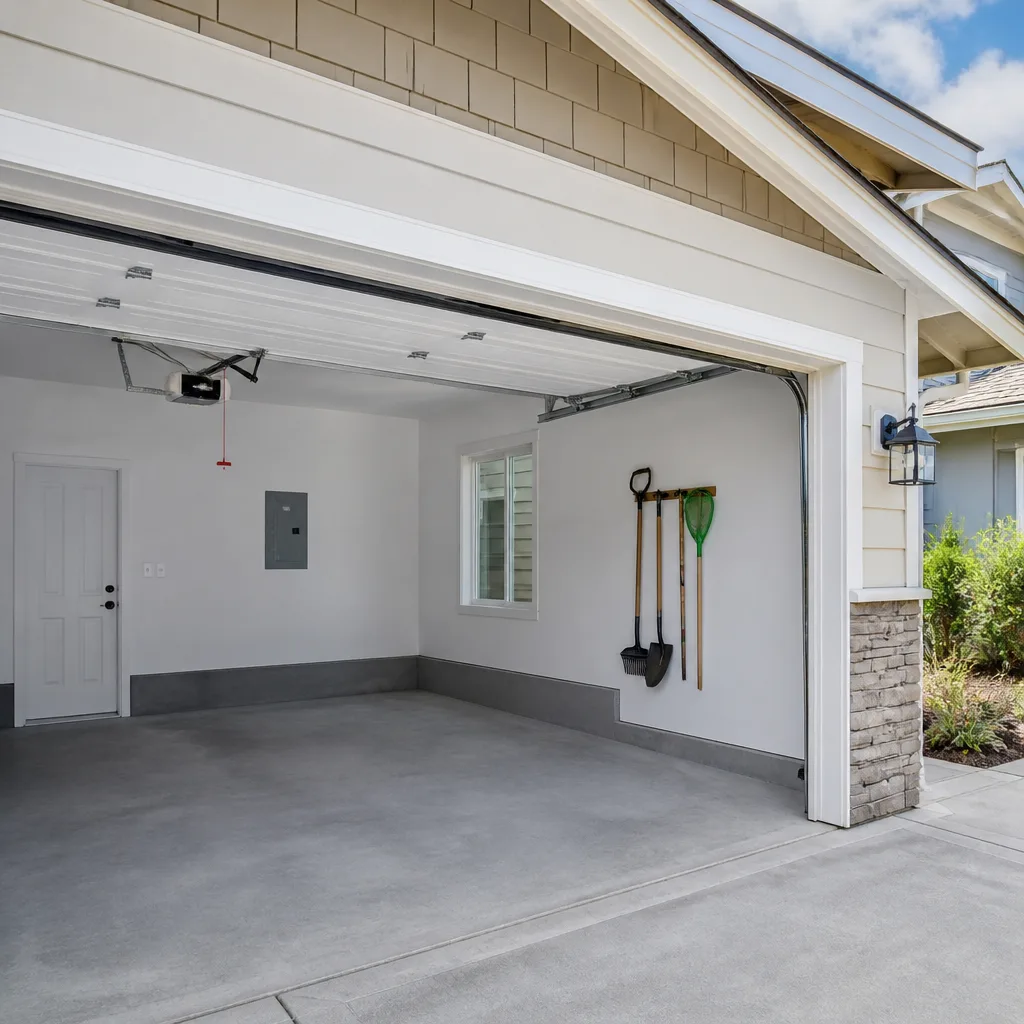 Chamberlain openers
Full 25-point door and opener safety check with every visit - springs, cables, rollers, tracks, and your LiftMaster or Chamberlain opener included
You get a price before we start. It does not change when the pro arrives.
Get your free estimateDIY vs Professional Garage Door: The St. Charles Homeowner’s Decision Guide
Most garage door advice treats DIY as one decision. It isn’t. It’s a dozen small decisions wearing the same coat. A torsion spring holds enough stored energy to break bones or worse when it lets go at the wrong moment, and that’s not a lawyer talking, it’s the physics of a wound steel bar under load. Reset a photo-eye or swap a bottom seal and you’ll finish before your coffee goes cold. The trick is knowing exactly where that line sits, and St. Charles homeowners ask us about it constantly. This guide draws the line task by task, so you can handle the safe jobs yourself and call a professional for the ones that genuinely put you at risk.
Quick Answer
You can safely DIY the low-energy jobs: rollers, weather seals, opener reprogramming, sensor alignment, and light lubrication. You should not touch torsion springs, extension springs, cables, or anything that requires releasing tension, because those parts store lethal force and require specialized tools and training. For track damage, a door that’s come off its hinges, or anything that looks bent and load-bearing, call a professional. In the St. Charles area, that call is free to make: we’ll tell you honestly whether your job is a DIY candidate or not.
Styles & brands we work with
- Raised-panel steel
- Carriage house
- Modern flush
- Full-view glass
- LiftMaster openers
- Chamberlain openers
Table of Contents
- The Definitive Task List: What’s Safe to DIY and What Isn’t
- Why Springs and Cables Are Different From Everything Else
- The Real Math: DIY Savings vs. the Cost of Getting It Wrong
- The Tools That Make DIY Legit and the Ones That Signal You’re In Over Your Head
- St. Charles Considerations: HOAs, Permits, and Neighborhood Norms
- Opener Work: The Gray Zone Worth Understanding
- How to Talk to a Contractor About Work You’ve Already Done
- Common Mistakes to Avoid
The Definitive Task List: What’s Safe to DIY and What Isn’t
Here’s the cleanest way to think about it: the safe jobs involve parts that aren’t holding the door’s weight or storing energy. The dangerous jobs involve parts that are. That division holds across every brand we work on, from a Genie opener to a full Clopay door system, and it holds whether your home is in a newer subdivision off Jungermann or an older street near Historic Main.
Safe to DIY (with basic tools and care)
- Replacing rollers. With the door fully open and secured, rollers slide out of their brackets and new nylon rollers slide in. This is one of the least risky jobs on the whole door.
- Replacing the bottom weather seal. A push-in or slide-in seal comes out with a little persuasion and the new one goes in the same channel. No tension involved.
- Aligning or cleaning safety sensors. The photo-eye sensors at the base of the track need a clear line of sight and a clean lens. Adjustment is a screwdriver job.
- Reprogramming a remote or keypad. Every modern opener has a learn button and a documented pairing sequence. This is the easiest job on this list.
- Lubricating hinges, rollers, and the opener rail. A garage-rated lubricant on moving metal parts quiets a door and slows wear. Avoid greasing the tracks themselves.
- Tightening loose hinge and bracket bolts. A socket wrench and a few minutes, with the door open and secure.
Call a professional, every time
- Torsion springs. These mount above the door and store enough energy to cause serious injury. No exceptions.
- Extension springs. The same energy problem, mounted along the horizontal tracks. Replacement requires controlled release of tension.
- Cables. Cables are under spring tension even when the door is down. Never cut or loosen one.
- Track replacement or realignment on a loaded system. Bending a track back by hand with the door attached risks the door dropping.
- Opener motor or gear replacement. The electrical and mechanical work inside an opener is fiddly and easy to get wrong.
- A door that’s come off its hinges or hung crooked. That’s a load-bearing failure and needs an experienced eye.
If your job is on the top list, go for it. If it’s on the bottom list, that’s exactly the kind of work we handle as a dedicated service, and garage door spring repair is the one we take most seriously given the forces involved.
Why Springs and Cables Are Different From Everything Else
A torsion spring is a wound steel bar that holds the entire weight of the door in balance. When it’s wound, it’s storing force that wants to unwind. When it fails or gets released carelessly, that energy goes somewhere, and it doesn’t care what’s in the way. The same is true of extension springs and the cables that run alongside them. This isn’t a scare tactic to sell you a repair. It’s the reason spring work is its own category of job with its own tools and its own safety protocols.
In our experience, the tell is the tool. Spring work requires winding bars made for the job, a way to hold the door in place while the spring is off, and a solid understanding of how many turns the new spring needs and why. Without those, you’re guessing at a mechanism that will hurt you for guessing wrong. Homeowners who try it often stop halfway, which is worse: a partially wound spring with the door hanging on it is an unstable situation.
There’s also a subtlety most homeowners miss. A spring doesn’t just have a wire size; the door’s weight has to match the spring’s capacity, and balanced doors of the same width can carry different springs depending on panel thickness and hardware. When we replace a spring, we check the door’s actual balance, not just the spring’s dimensions, so the door runs right and the new spring lasts. That matching step is hard to do from a video.
The same logic applies to cables. A cable is only safe when it’s properly tensioned and correctly wound on its drum. One that’s frayed or jumped the drum is a live problem, not a project. If you see a broken spring, a door hanging crooked, or a frayed cable, don’t operate the door. Call us at (877) 473-4275. We answer 24/7, with fast dispatch from 7am to 7pm, Sunday through Friday.
The Real Math: DIY Savings vs. the Cost of Getting It Wrong
The savings conversation usually stops at the parts price, and that’s where it goes wrong. A DIY repair has three costs, not one: the part, your time, and the risk of a secondary problem. The first two are easy to see. The third is the one that bites.
Here’s how we’d frame the math for a St. Charles homeowner weighing it out.
- Bottom seal replacement. Parts are modest, the job is short, and there’s no load to mess up. A strong DIY candidate.
- Roller replacement. Parts are inexpensive per roller, and the job is mostly patience. A strong DIY candidate, especially if you’re replacing all of them at once to avoid doing it twice.
- Sensor and remote work. Almost no parts cost and no risk if you follow the opener’s manual. Very strong DIY candidate.
- Spring replacement. Prohibitive for a homeowner to do safely. A pair costs roughly twice a single spring, and the range is best confirmed with a written estimate. The reason to have a pro do it isn’t the part cost, it’s that the pro can match the spring to the door and set the balance correctly.
- Track or cable work. The parts are cheap; the failure mode is expensive. A bent track or a dropped door can cost more than the original repair to correct.
The secondary problem is the piece most people don’t budget for. When a DIY repair goes wrong, it often stresses something else. A door running with a mismatched spring wears out its opener faster. A door that comes off its track can bend panels or crease a section. A mis-wired opener can fail a board. In each case, the original repair plus the secondary damage costs more than having done it right the first time.
The other hidden cost is time. A spring job done by an experienced technician who has the right bars and the right spring on the first visit is a short visit. A homeowner learning the job from scratch usually isn’t, even when it goes well. We won’t pretend that doesn’t matter.
Our own pricing is set per job by a free written estimate, quoted before any work starts. If you’d like a number to compare against a DIY attempt, call (877) 473-4275 and we’ll give you one at no charge.
The Tools That Make DIY Legit and the Ones That Signal You’re In Over Your Head
The tool list is a surprisingly good test of whether a job belongs to you. If the tools you need are the ones in a normal homeowner’s kit, the job is probably fine. If the list grows specialized equipment you’d use once and never again, that’s a sign.
Tools that make DIY legit
- A socket wrench and a set of sockets for hinge and bracket bolts.
- A flathead and a Phillips screwdriver for sensors, remotes, and seal channels.
- A step ladder tall enough to reach the opener and the top of the door safely.
- Work gloves and eye protection, because springs, seals, and cables all have sharp edges or fragments.
- C-clamps or locking pliers to hold the door in place while you work on non-load parts.
- A garage-rated lubricant and a clean rag.
Tools that signal you’re in over your head
- A winding bar. If the job calls for one, stop. That tool exists because the load is dangerous.
- A cable puller or stretching tool for tensioning a lift cable.
- Track bending tools or a hydraulic press for straightening a track with the door on it.
- Any tool you’d have to buy, use once, and store for a repair you’re doing for the first time.
If you’re holding a tool from that second list, you’re not doing a DIY job; you’re doing a professional job without the training. That’s the moment to call. Our technicians have up to 14 years of experience with the tools and the systems involved, including dedicated garage door repair on track, cable, and balance problems that would stop a homeowner cold.
St. Charles Considerations: HOAs, Permits, and Neighborhood Norms
St. Charles has a patchwork of HOA rules and municipal considerations that make garage door work a little more local than the generic advice. If your home is in a subdivision with a homeowner’s association, the first call before you change anything visible is often the HOA, not a contractor. Many HOAs have rules about door color, panel style, window inserts, and even the visible hardware. A door you install on your own that doesn’t match the association’s standard is a problem you inherit.
The same goes for the city or county, and this is where we’d rather tell you to ask than guess. Whether a replacement or structural change needs a permit depends on the work and the jurisdiction, and the right answer comes from your local building department. Ask them before you buy. The rules around visible modifications and structural replacement can vary block by block across St. Charles, and a five-minute phone call avoids a five-week headache.
Climate is the other local factor, and it’s largely the same as most of the Midwest, so we won’t oversell it. St. Charles summers heat up, winters get cold, and the cycle of expansion and contraction works on every seal, roller, and hinge on the door. Our springs, cables, and weather seals take that seasonal load, which is why regular lubrication and an honest look at the seals each fall are worth doing. The neighborhood names change, but the seasonality doesn’t. If you’re unsure whether a seal you’ve replaced is holding up, a quick free estimate will tell you.
Opener Work: The Gray Zone Worth Understanding
Opener repairs sit in the middle of the DIY spectrum, and it’s worth being specific about where the safe line is. Modern openers from LiftMaster, Chamberlain, Genie, and Craftsman are common enough that their manuals are easy to find, and most of what’s adjustable without opening the housing is a reasonable DIY job. What’s inside the housing isn’t.
Safe to DIY
- Pairing a new remote or keypad to the opener using the manual’s learn sequence.
- Adjusting the travel limits within the manual’s recommended range.
- Aligning or replacing a safety sensor and wiping the lenses clean.
- Replacing the opener’s light bulb or battery backup, if the model calls for it.
- Checking that the wall control is seated properly and the wiring isn’t pinched.
Call a professional
- Replacing the logic board or a gear set, because the motor and capacitor are easy to damage if the repair isn’t handled correctly.
- Replacing the opener itself, since that involves the rail, the header bracket, and the door’s balance. A new opener on an unbalanced door won’t last.
- Chasing a problem that comes and goes, like a door that reverses intermittently. That’s often a sensor or balance issue, and it’s faster to diagnose with the right equipment.
- Anything that requires rewiring the wall control or the safety circuit.
If your opener work falls into the second list, our garage door opener repair covers the brand families you’re most likely to own. Getting the diagnosis right on the first visit saves the return trip.
How to Talk to a Contractor About Work You’ve Already Done
If you’ve tackled some of the safe jobs yourself, that’s fine, and it doesn’t have to complicate the professional work. The key is telling us what you’ve already done before we start, in plain terms. We’d rather know than discover it halfway through the job.
Here’s how to have that conversation well.
- Say what you replaced. “I put new rollers in last month” or “I replaced the bottom seal.” Parts matter because some aftermarket parts perform differently from the originals.
- Say what you touched but didn’t replace. “I tightened the hinge bolts” or “I adjusted the travel limits.” That tells us where to look for a problem.
- Mention any part you bought. If you bought a spring, a cable, or an opener on your own, tell the technician. Fit is the issue, and we won’t touch a part that isn’t appropriate for your door.
- Ask about warranty coverage on the door and opener before, not after. Manufacturer warranties handle this differently depending on the part and whether damage traces back to a repair that wasn’t done to spec.
- Ask what the written estimate covers. The estimate should tell you which parts are new, which are original, and what’s being done. The price is quoted and agreed before any work starts, so there’s no surprise.
We won’t tell you that a DIY repair automatically voids anything. We’ll tell you what the part’s condition means for the job in front of us and price it accordingly. If you’re not sure whether your work affected the warranty, ask. That question is free.
Common Mistakes to Avoid
- Treating a spring like a roller. These are different categories of job, not a matter of degree. A spring is a loaded power source; a roller is a wheel.
- Operating a door that’s hanging crooked or has a broken spring. The opener will strain to lift a door that’s out of balance and can burn out its motor or stress other parts. Leave the door down and call.
- Buying parts for a spring repair before knowing the correct size. Spring sizing depends on the door’s weight and dimensions. Guessing at the hardware store is how a simple repair becomes a second repair.
- Ignoring the HOA until the door is up. A St. Charles subdivision with a homeowner’s association can require a specific door style or color, and an unapproved replacement is a fix you’ll have to undo.
- Skipping the permit question. Whether a replacement needs a permit depends on the scope and the jurisdiction, and the answer is a call to the local building department, not a guess.
- Greasing the tracks. Lubricant belongs on rollers, hinges, and the opener rail. Grease on the tracks catches grit, and the door can start to bind.
- Relying on the opener’s auto-reverse as a test of balance. A door that reverses when it hits an object can still be badly balanced. Check the balance with the door disconnected from the opener, with a professional’s help if you’re not sure.
See the difference
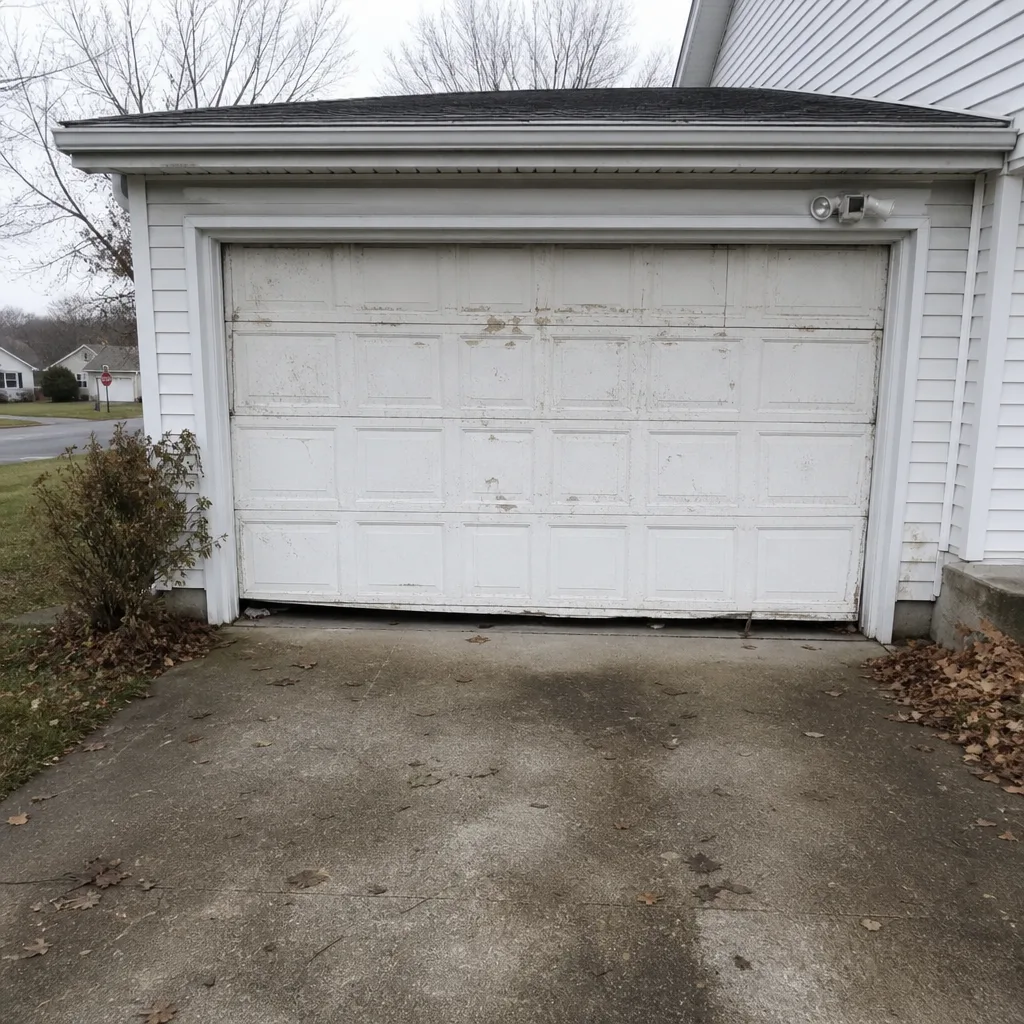 Before
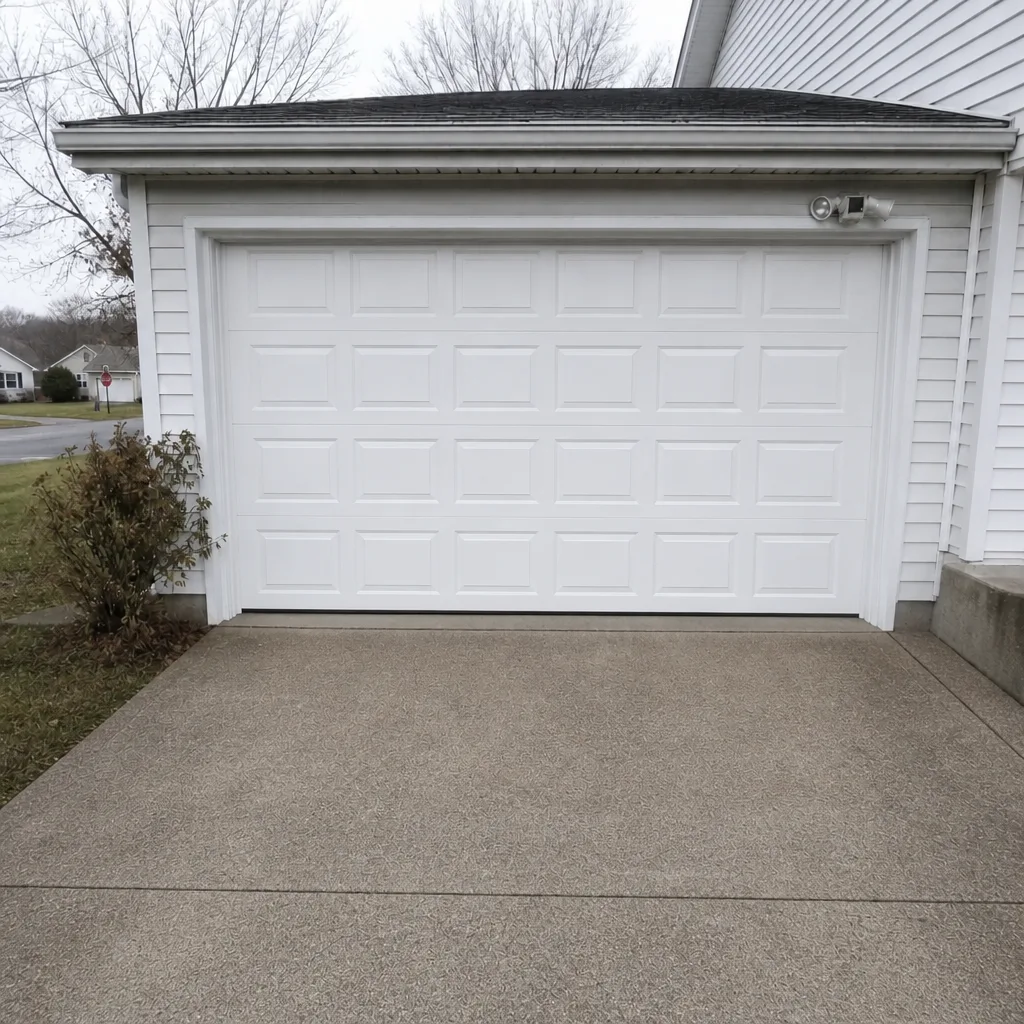 After
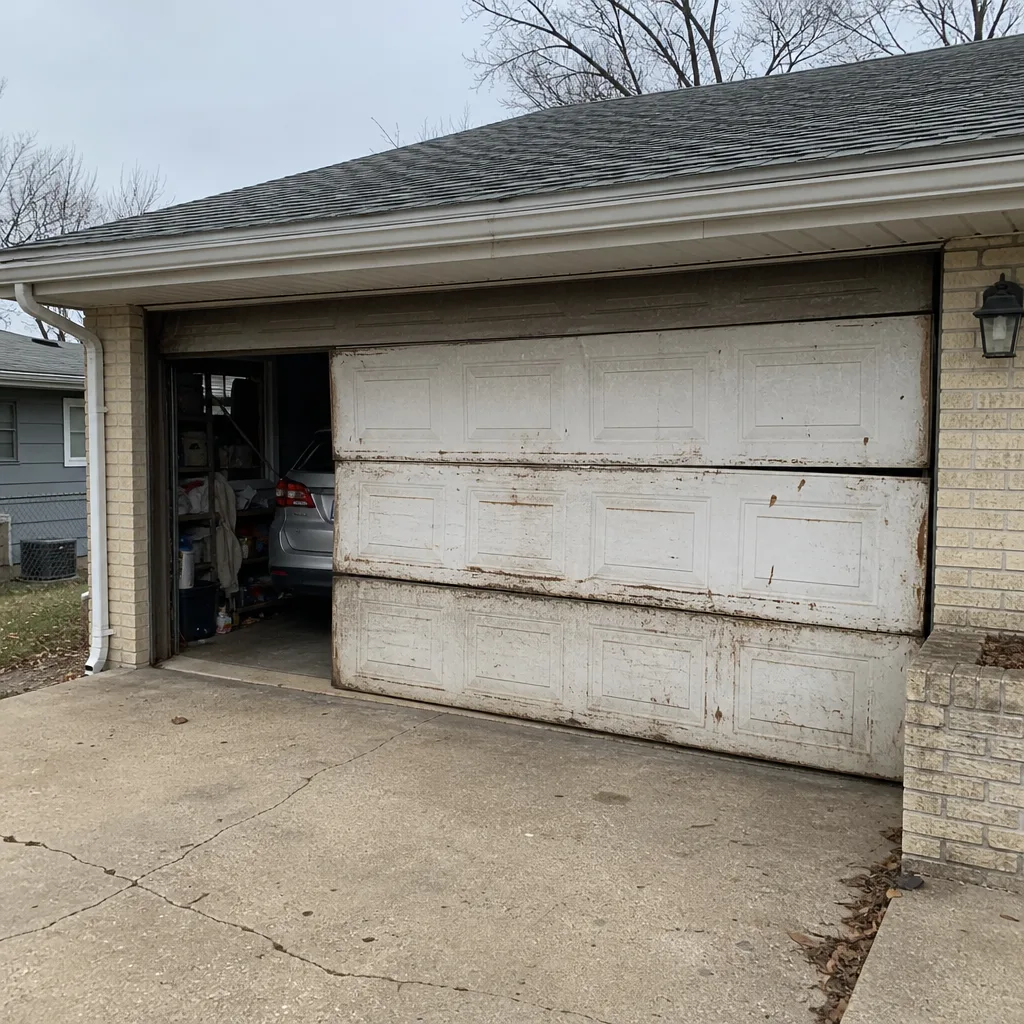 Before
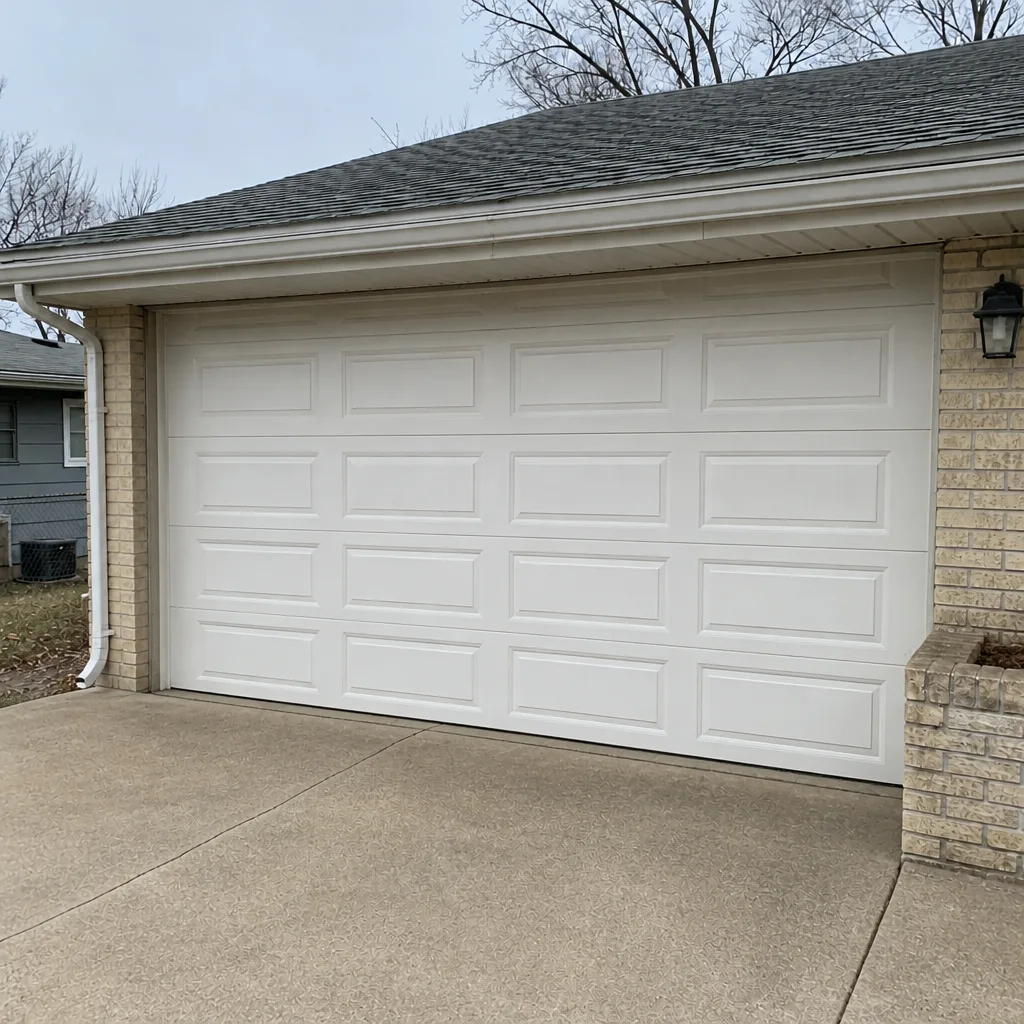 After
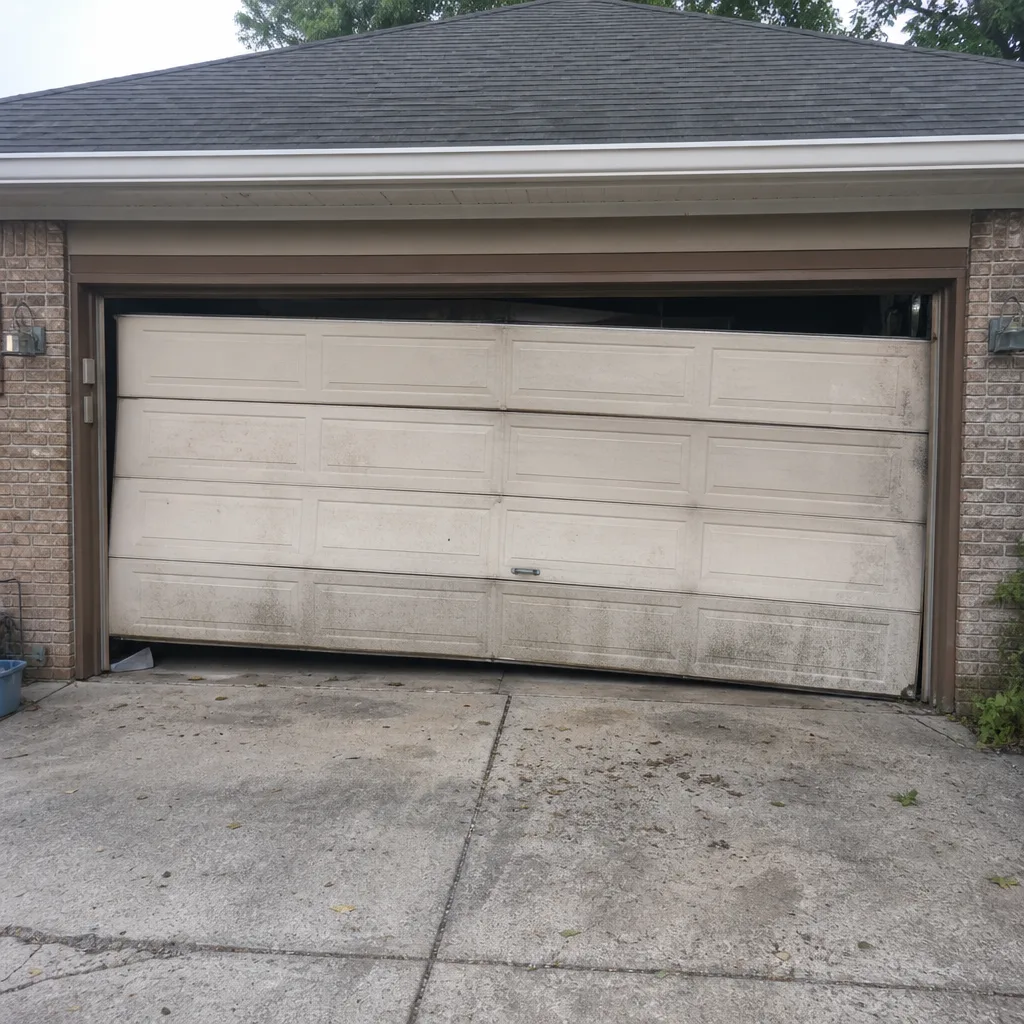 Before
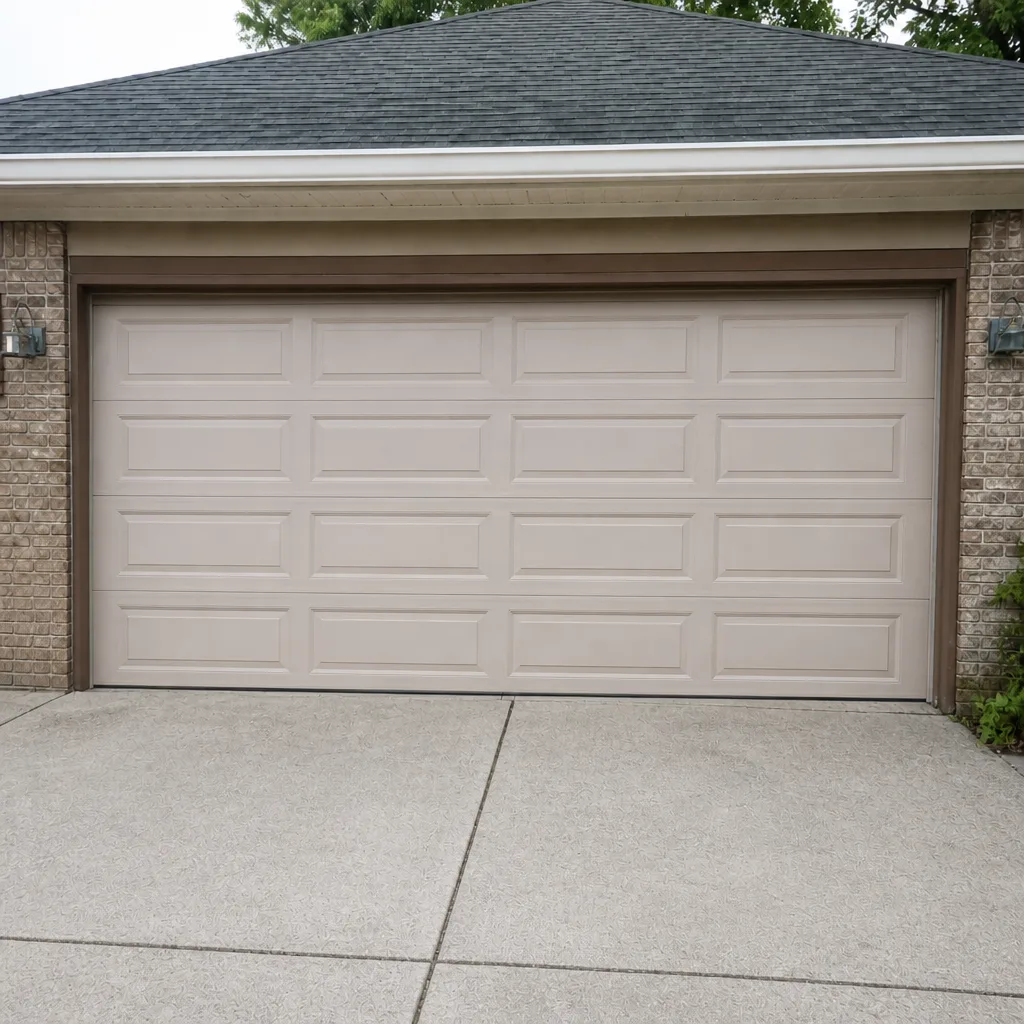 After
When to Call a Professional
Some situations are clear calls. A broken torsion or extension spring, a snapped or frayed cable, a door that’s come off its track, a door that’s hung crooked or looks bent, or an opener that sparks or hums without moving the door. Any of those is a stop, not a project. Call a professional before the door moves again. It’s also worth calling when the diagnosis isn’t obvious, like a door that reverses intermittently or an opener that’s behaving unpredictably, because each day of guessing can add wear to the rest of the system. St. Charles Garage Door Repair Co offers free estimates in St. Charles. Call (877) 473-4275, and we’ll tell you straight what’s safe to handle yourself and what isn’t. We answer 24/7, with fast dispatch from 7am to 7pm, Sunday through Friday.
Frequently Asked Questions
No. Torsion and extension springs store enough energy to cause serious injury or death if released incorrectly, so spring replacement is professional work. The tooling and the balance check are both critical, and the wrong spring for your door’s weight can fail early. Call (877) 473-4275 for an exact quote, and the estimate is free.
Rollers, bottom weather seals, safety sensor alignment, remote and keypad programming, and basic lubrication are all reasonable DIY jobs. None of them involve spring tension or the door’s weight. If a job calls for a winding bar or a cable puller, stop and call a professional.
Spring pricing depends on the type and the door, and a single spring is normally replaced as part of a matched pair, which runs roughly twice the price of one. The written estimate sets the exact price, quoted before any work starts. Call (877) 473-4275 for a free estimate.
Not necessarily. Manufacturer warranties treat parts differently, and the answer depends on what you replaced, how it was done, and the brand, so ask the technician before the work starts. Telling us what you’ve already done is the honest and simplest way to get a clear answer. Call (877) 473-4275 with the details and we’ll walk you through it.
Yes, same-day service is available, and it’s common for a door stuck open or a spring that’s let go. We answer 24/7, and dispatch runs 7am to 7pm, Sunday through Friday; a call outside dispatch hours is booked into the next opening. Call (877) 473-4275 and we’ll get the door moving.
Probably at least one of the two, but it depends on your subdivision’s HOA rules and the scope of the replacement, and the right answer comes from your HOA and the local building department. Ask them before you buy a door. If you’d like our read on the job type, call (877) 473-4275 and the estimate is free.
We’re closed Saturday, and our schedule runs Sunday through Friday, 7am to 7pm. A call outside dispatch hours is booked into the next opening, Sunday through Friday, 7am to 7pm. Call (877) 473-4275 and we’ll get you on the schedule.
The Bottom Line
DIY vs. pro isn’t a budget question, it’s a safety question with a budget attached. Rollers, seals, sensors, and remotes are yours to handle if you want them. Springs, cables, track work with the door loaded, and anything that looks structurally off belong to a professional. Getting that split right means you save money on the safe jobs and avoid the secondary problem that quietly costs more than the original repair. The St. Charles-specific layer is simple: check with your HOA and the building department before you change anything visible. And when you’re not sure which side of the line you’re on, that’s the moment to call.
Call (877) 473-4275 for a free estimate on any garage door work you’d rather not tackle yourself. We work on the brands in your driveway, from LiftMaster openers to Clopay doors, and we’ll tell you straight what’s safe to do yourself and what isn’t. We answer 24/7 with fast dispatch from 7am to 7pm, Sunday through Friday. St. Charles Garage Door Repair Co connects St. Charles homeowners with experienced local professionals for everything from a $30 sensor cable to a full door installation.
For repair, opener service, spring work, or a free measurement on a new door, start with St. Charles Garage Door Repair Co and we’ll point you to the right next step.
Written by the team at St. Charles Garage Door Repair Co.