
Last updated November 22, 2026
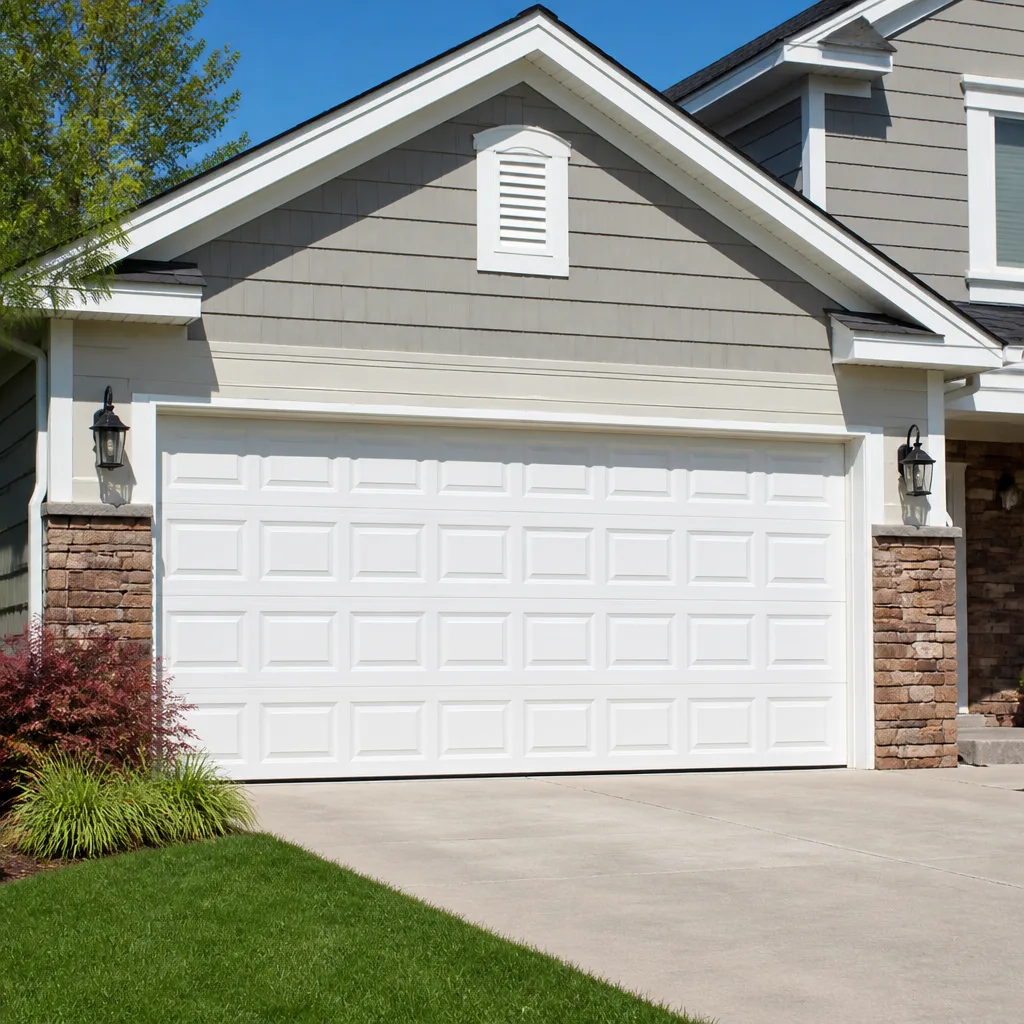 Raised-panel steel
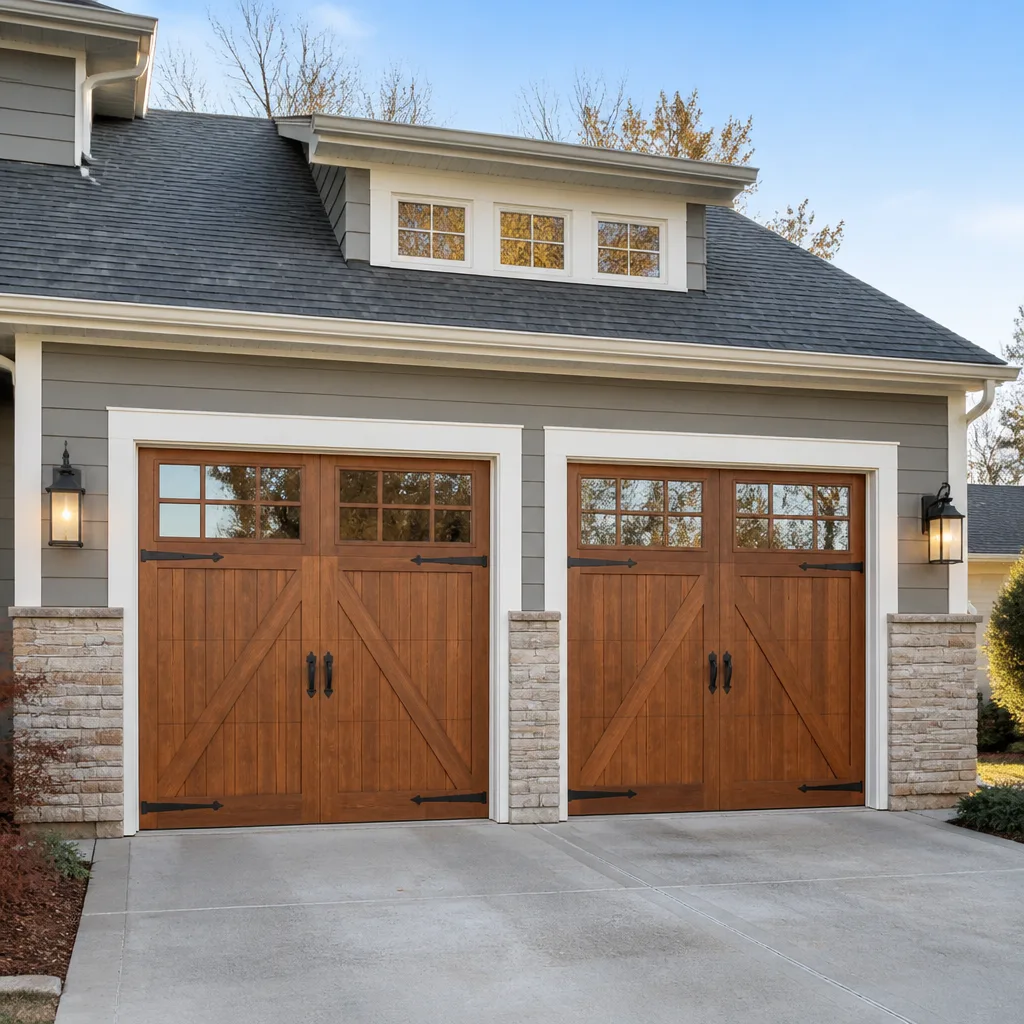 Carriage house
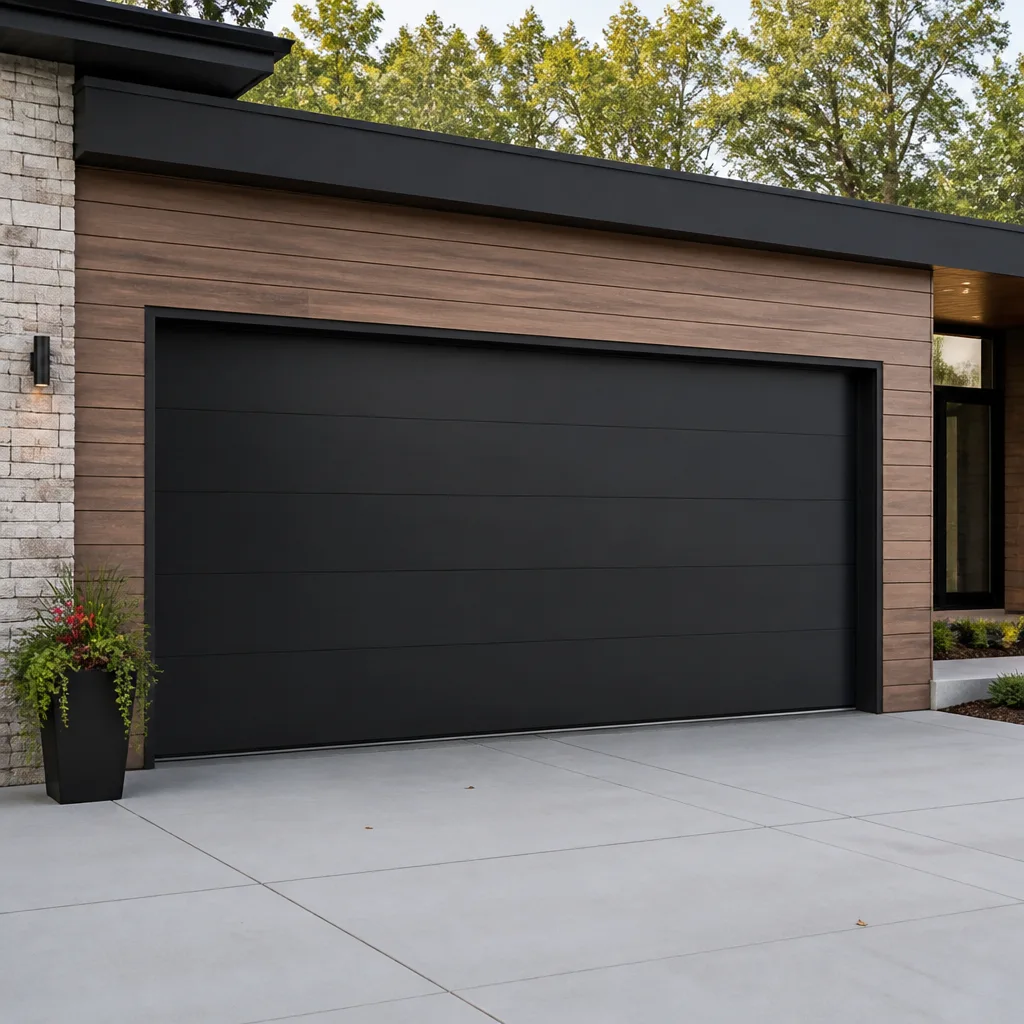 Modern flush
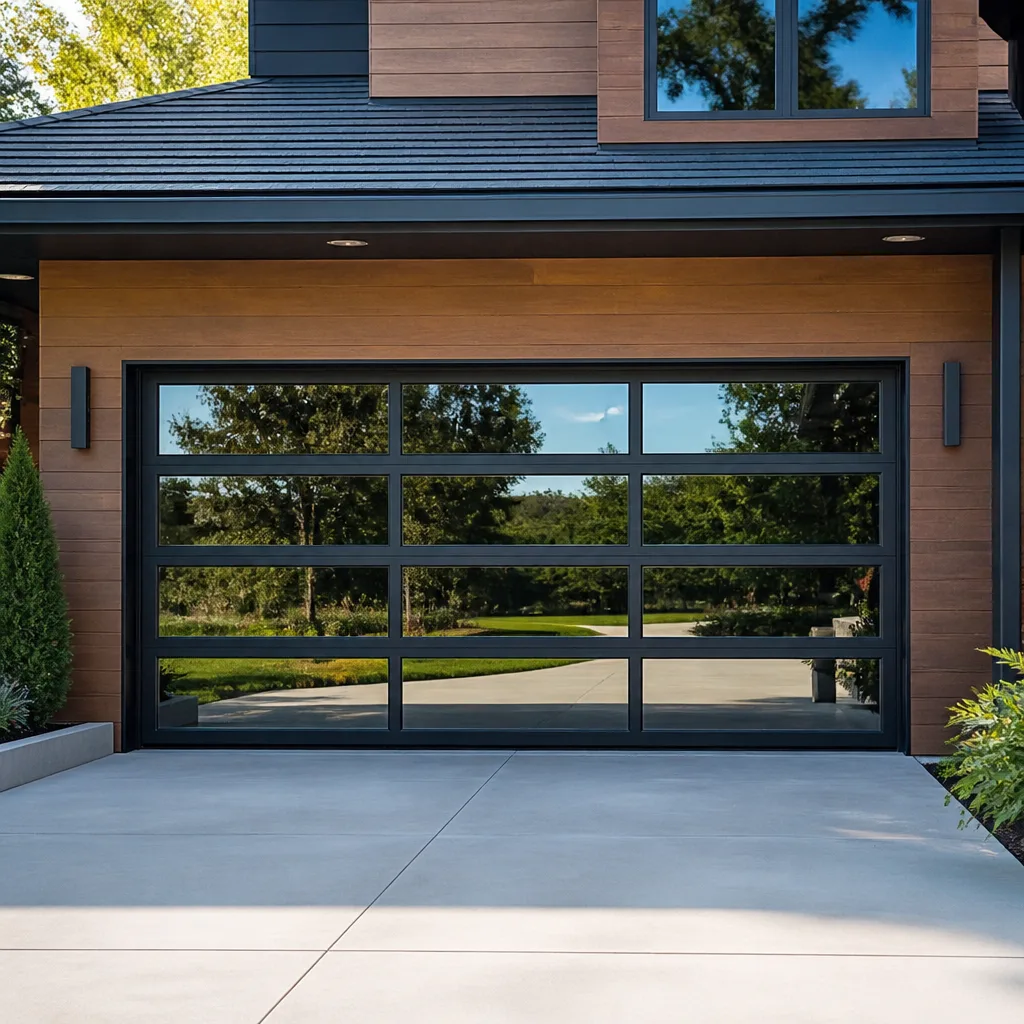 Full-view glass
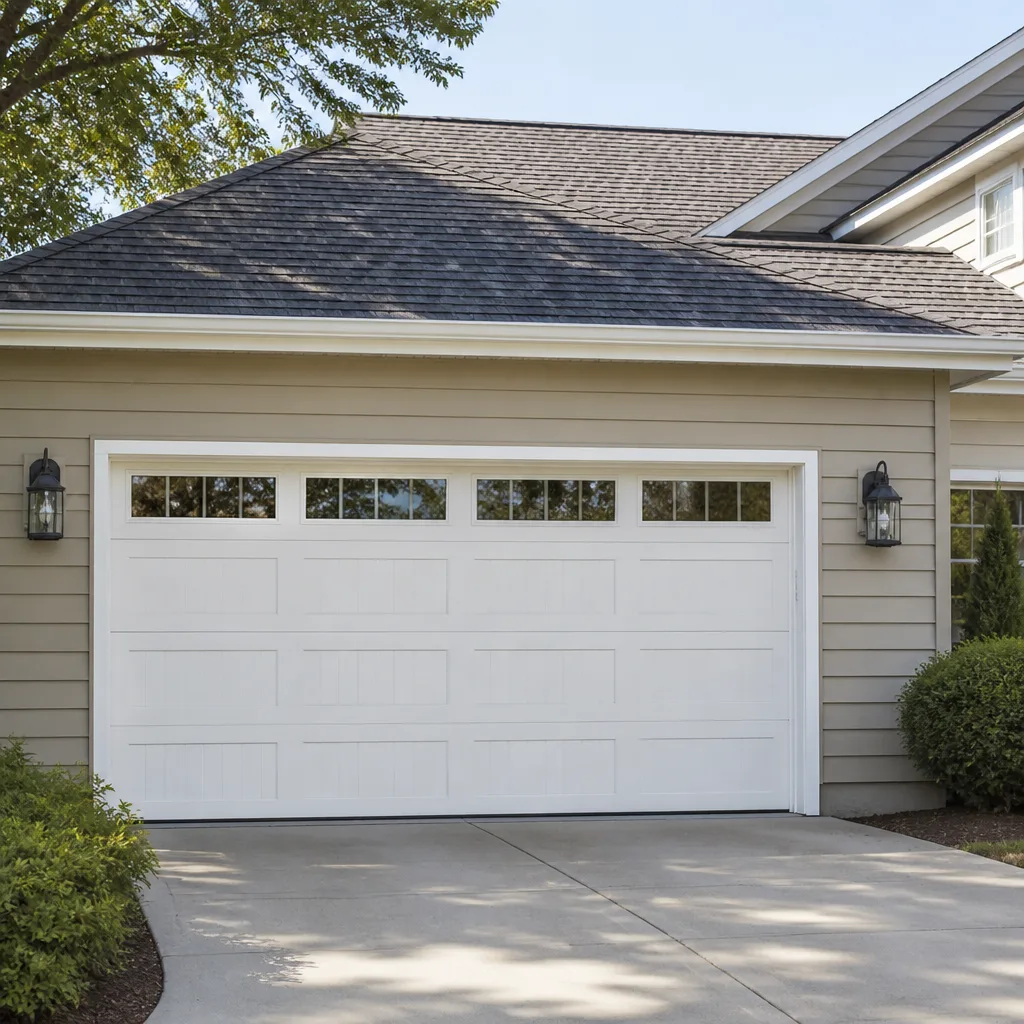 LiftMaster openers
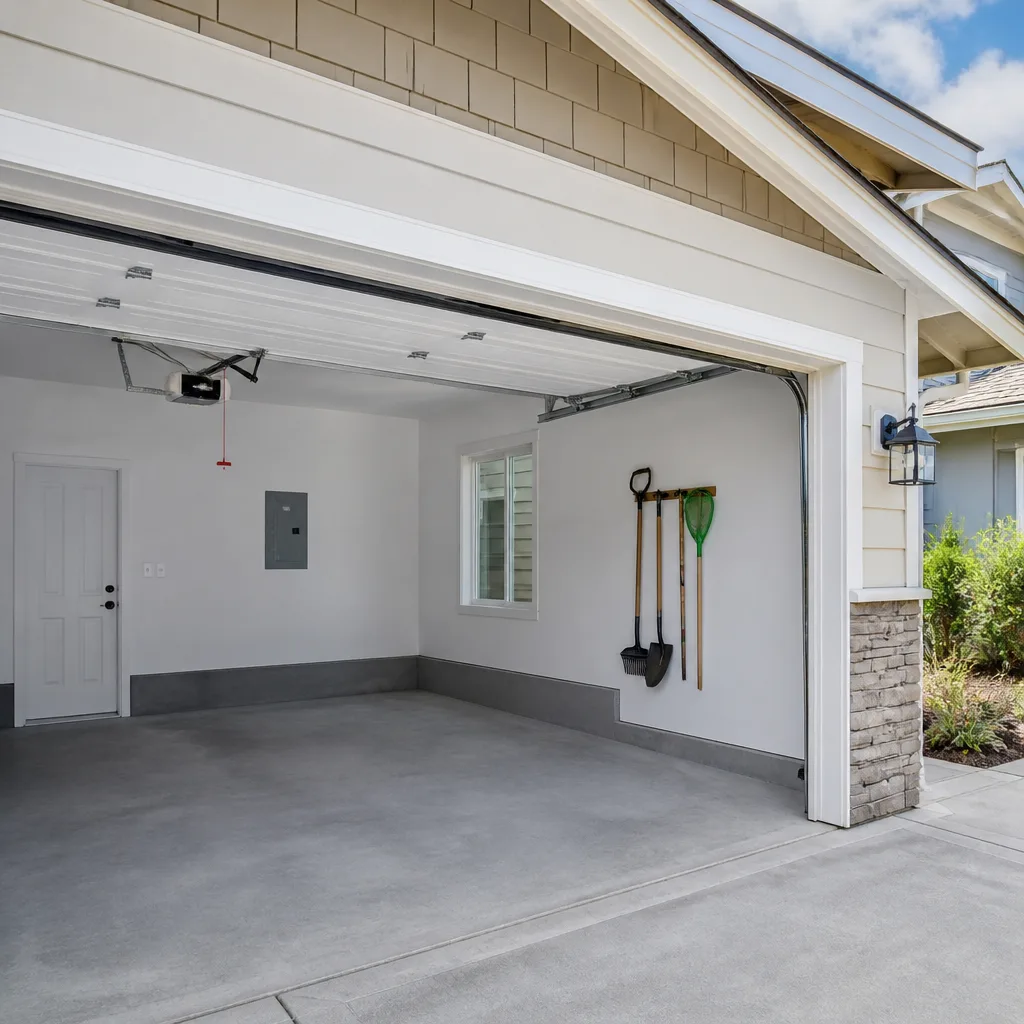 Chamberlain openers
Full 25-point door and opener safety check with every visit - springs, cables, rollers, tracks, and your LiftMaster or Chamberlain opener included
You get a price before we start. It does not change when the pro arrives.
Get your free estimateHow to Hire a Garage Door Contractor in St. Charles: A Step-by-Step Guide
Garage door work has one of the highest rates of unlicensed contractor activity of any home service trade in Missouri, and the reason is simple: the barrier to looking legitimate online is almost zero. A polished website, a few stock photos, and a Google Business Profile are all it takes to appear established. The reviews you’re reading might belong to a national franchise that subcontracts your job to whoever answers the phone, or to a one-person operation with no warranty behind the work. This guide walks you through the exact vetting process that separates the two, with the specific Missouri licensing checks, contract clauses, and quote-reading skills you need before anyone pulls into your driveway in St. Charles.
Quick Answer
To hire a garage door contractor in St. Charles, verify the company’s Missouri registration and insurance with the state in under five minutes, get a written itemized quote that separates parts from labor, and insist on a written warranty that covers both the parts and the labor. Ask brand-specific questions about your actual door and opener, and walk away from anyone who won’t put their terms in writing. The best contractors welcome these checks; the worst ones get defensive the moment you ask.
Styles & brands we work with
- Raised-panel steel
- Carriage house
- Modern flush
- Full-view glass
- LiftMaster openers
- Chamberlain openers
Table of Contents
- What Missouri Requires of Garage Door Contractors
- How to Verify a Contractor in Under 5 Minutes
- How to Read a Garage Door Quote in St. Charles
- The Three Contract Clauses That Protect You
- What a Legitimate Warranty Covers
- Questions That Reveal Real Expertise
- Why Spring and Opener Work Demands a Pro
- Common Mistakes to Avoid
What Missouri Requires of Garage Door Contractors
Missouri does not issue a statewide specialty license for garage door installation and repair the way some states do. That surprises a lot of St. Charles homeowners, and it’s exactly the gap that lets unqualified operators move in. What the state does regulate is the basic business structure: a contractor should carry a current state registration and a local St. Charles business license, and should be able to show proof of general liability insurance and workers’ compensation coverage. You don’t have to take any of this on faith, and you shouldn’t.
What this means in practice is that the burden of vetting falls on you, not on a state licensing board that pre-screened the company. A contractor who can’t produce a certificate of insurance is either uninsured or hasn’t bothered to keep records straight. Neither is someone you want installing a 200-pound door above your car.
- State business registration – confirms the business is a legal entity in Missouri.
- Local St. Charles business license – required to operate within the city.
- General liability insurance – covers damage to your home if something goes wrong.
- Workers’ compensation – covers the technician if they’re injured on your property.
Ask for the certificate of insurance directly, and ask that your name be listed as the certificate holder. A legitimate contractor can email it the same day. If you’re working with a company that connects you with local professionals, confirm that the pro doing the work holds these credentials as their state requires. The point isn’t paperwork for its own sake. It’s knowing who’s responsible if a torsion spring lets go or a door panel gets dropped on your driveway in St. Charles.
How to Verify a Contractor in Under 5 Minutes
Verification isn’t a weekend project. You can do the important checks in about five minutes, right from your phone. Here’s the sequence to run through before you schedule anyone:
- Check the Missouri Secretary of State business search. Enter the company name and confirm the registration is active, not dissolved or expired. Two minutes.
- Search the company name for consumer complaints. Look at the Missouri Attorney General’s consumer complaint database and the Better Business Bureau listing. One minute.
- Ask for the certificate of insurance and read it. Confirm the dates are current and the coverage is general liability, not just a commercial auto policy. One minute.
- Confirm the business address matches. The address on the insurance certificate, the business registration, and the website should be consistent. A PO box with no physical address is a yellow flag. One minute.
- Ask who will actually do the work. If the company subcontracts to independent pros, ask whether the pro is licensed and insured as their state requires. Thirty seconds.
None of this is aggressive. Good contractors expect it. When we work with homeowners in St. Charles, we find that the ones who ask these questions upfront tend to have the smoothest jobs, because expectations are set before anyone shows up. The five minutes you spend here is the cheapest insurance you’ll ever buy on a door repair.
How to Read a Garage Door Quote in St. Charles
Garage door quotes vary wildly in format, and the format matters as much as the number at the bottom. A quote that says “labor included” tells you nothing about what you’re actually paying for, and it makes it impossible to compare one bid against another. A good quote itemizes parts, labor, and any disposal or adjustment work so you can see exactly where the money goes. St. Charles homeowners see a wide spread on spring repairs because a one-spring quote and a matched-pair quote are not the same job. A spring price is for a single spring, and a matched pair is usually replaced together, so a pair runs about twice that figure.
Here’s roughly what a fair St. Charles market range looks like for common work, as a starting point for comparison. These are typical estimates only, and the written quote is what sets the final price.
- Torsion spring replacement, one spring: $180 to $340, depending on door weight and cycle rating.
- Torsion spring replacement, matched pair: roughly double the single-spring figure.
- Opener repair or replacement: $150 to $500 for repair; a full opener replacement runs higher depending on the model and whether new rail and safety sensors are included.
- Door off track, realignment: $150 to $350 for a standard reseat, more if panels are bent.
- New door installation: priced per opening after a measure, because door style, size, insulation, and hardware all vary.
What “labor included” often hides is the real question of whether the quote covers disposal of the old door, safety sensor alignment, and a final balance check. Those are the items that turn a cheap install into a callback six months later. Ask for them in writing. If you want to see how repair pricing breaks down across a typical job, our garage door repair page walks through the common scenarios. And critically, the price should be quoted and agreed before any work starts. No surprises on the invoice.
The Three Contract Clauses That Protect You
Most garage door contracts are a paragraph on an invoice. That’s fine for a sensor adjustment and not fine for a spring replacement or a full installation. Three clauses are worth insisting on, and how a contractor responds to them tells you almost everything about how they operate. The three are: a written scope of work, a parts-and-labor warranty term, and a clear statement of what happens if the work fails.
The written scope should list every part by name and brand, the model where applicable, and what’s covered. If your door is a Wayne Dalton or your opener is a Craftsman, the scope should say so. That single detail filters out anyone planning to swap in a generic part because it’s what’s in the truck.
The warranty clause should state the parts warranty term separately from the labor term. A spring may carry a manufacturer warranty of several years, but the labor to replace it might be covered for only a few months. Both numbers belong in the contract.
The failure clause is the one people skip. It answers one question: if the same part fails within the warranty window, who pays to make it right, and how fast? A contractor who can answer that clearly in writing is a contractor who plans to be around to honor it. Resistance to any of these three signals should tell you to keep shopping.
What a Legitimate Warranty Covers
A warranty that covers parts but not labor leaves you paying for the most expensive part of a failed repair. Read the terms this way: parts warranty is the manufacturer’s promise, labor warranty is the contractor’s promise, and both should be in writing. For a spring replacement, the manufacturer warranty on a high-cycle spring can run several years. The labor warranty is usually shorter, and a fair one covers at least the immediate failure window. For a new door installation, the door itself carries a manufacturer finish and structural warranty, the opener carries its own, and the labor warranty covers the installation quality. Those are three separate documents.
Ask this question directly: “If a spring you installed fails in six months, what do I pay?” The answer should be nothing for parts or labor within warranty, with a clear process for scheduling. When we handle garage door spring repair, we walk every customer through the parts and labor terms before we order a single spring, because that’s the moment the warranty becomes real. A warranty you only learn about after a failure is a warranty you didn’t really get.
Questions That Reveal Real Expertise
You can tell within a minute whether the person on the phone actually knows garage doors or is reading from a script. The trick is asking questions a script can’t answer. Here are the ones that cut through:
- “What’s the brand and model on my opener?” If they ask you to read the label and then explain what that model’s common failure points are, they know their trade. If they say “they’re all pretty much the same,” they don’t.
- “What cycle rating do you use for the springs?” A real answer involves cycle life, door weight, and how long you plan to stay in the home. A scripted answer is “standard.”
- “How do you check the balance of the door?” The answer should describe the manual release and the feel test at mid-travel, not a vague “we check everything.”
- “Do you work on LiftMaster and Chamberlain openers specifically?” Brand familiarity with the most common residential lines means faster diagnosis and fewer return visits.
- “What brand of door do you recommend for a St. Charles home?” A real answer names specific brands like Clopay, Amarr, or Raynor and explains why one fits certain homes better.
When we talk to St. Charles homeowners, these are the same questions our technicians expect, and we like it when we hear them. They signal a customer who’s done their homework, and that usually means a smoother job for everyone.
Why Spring and Opener Work Demands a Pro
Torsion springs and the cables that run with them are under extreme tension, and they can cause serious injury if handled without the right tools and training. That’s the whole reason spring work is a specialized service rather than a general handyman task. The same applies to opener electrical connections, which tie into your home’s wiring. In our experience, the jobs that go wrong for homeowners who try them themselves are almost always on the spring side, not the door side. The mechanism looks simple until you realize how much stored energy is in a wound spring.
We don’t give DIY instructions for spring or opener work for that reason. What we do instead is explain what to check so you know when to call: a loud bang from the garage, a door that won’t lift, a gap in the torsion shaft, or a cable that’s come off the drum. Any of those means stop and call a professional. The worst outcome isn’t the repair bill, it’s a broken wrist or worse. If your opener is acting up, our garage door opener repair page covers what’s worth a service call versus what’s a sensor reset.
How to Compare Quotes Without Getting Played
Three quotes in hand is the right number, and comparing them well is a skill. The trap is choosing the lowest number, because the lowest bid is often the one that skips items you’ll pay for later. Compare quotes on four axes, not one:
- Line-item detail. Does each quote break out parts, labor, and any disposal or adjustment work? A “labor included” lump sum can’t be compared fairly.
- Brand specificity. Does the quote name the brand and model of the parts, or say “standard spring”? Named parts are a sign the installer is being straight with you.
- Warranty terms in writing. Compare parts and labor separately. A longer parts warranty paired with a shorter labor warranty is common and fine if both are stated.
- Scope of the site check. Did the contractor measure the door, check the balance, and inspect the tracks and rollers, or just glance at the spring and quote? The best quotes follow a full inspection.
If one quote is dramatically lower than the others and skips the site check, that’s not a bargain. It’s a guess. The written quote sets the final price, so get the scope right before you compare numbers. For a full picture of what installation involves, our St. Charles Garage Door Repair Co page explains the end-to-end process.
What to Expect on Installation Day
Installation is a different animal from repair, and the hiring checklist shifts. There’s no same-day promise here; this work is measured, ordered, and scheduled. The right contractor will do a free measure, give you a written price, and order the door to fit. St. Charles homes vary widely in door size and style, so “standard” isn’t a real answer.
- Measurement: opening width and height, headroom, sideroom, and backroom all get measured before ordering.
- Brand selection: a contractor who’s familiar with Clopay, Amarr, Wayne Dalton, and Raynor can match a door to your home’s style and insulation needs.
- Install day: the old door comes out, the new one goes in, the opener gets wired and programmed, and the balance and safety sensors get checked before anyone leaves.
- Walkthrough: you should get a demonstration of the manual release, the safety reverse, and the opener controls before the crew packs up.
A good installation is measured, not rushed. If a contractor quotes you a new door over the phone without measuring, that’s your signal to find someone else.
See the difference
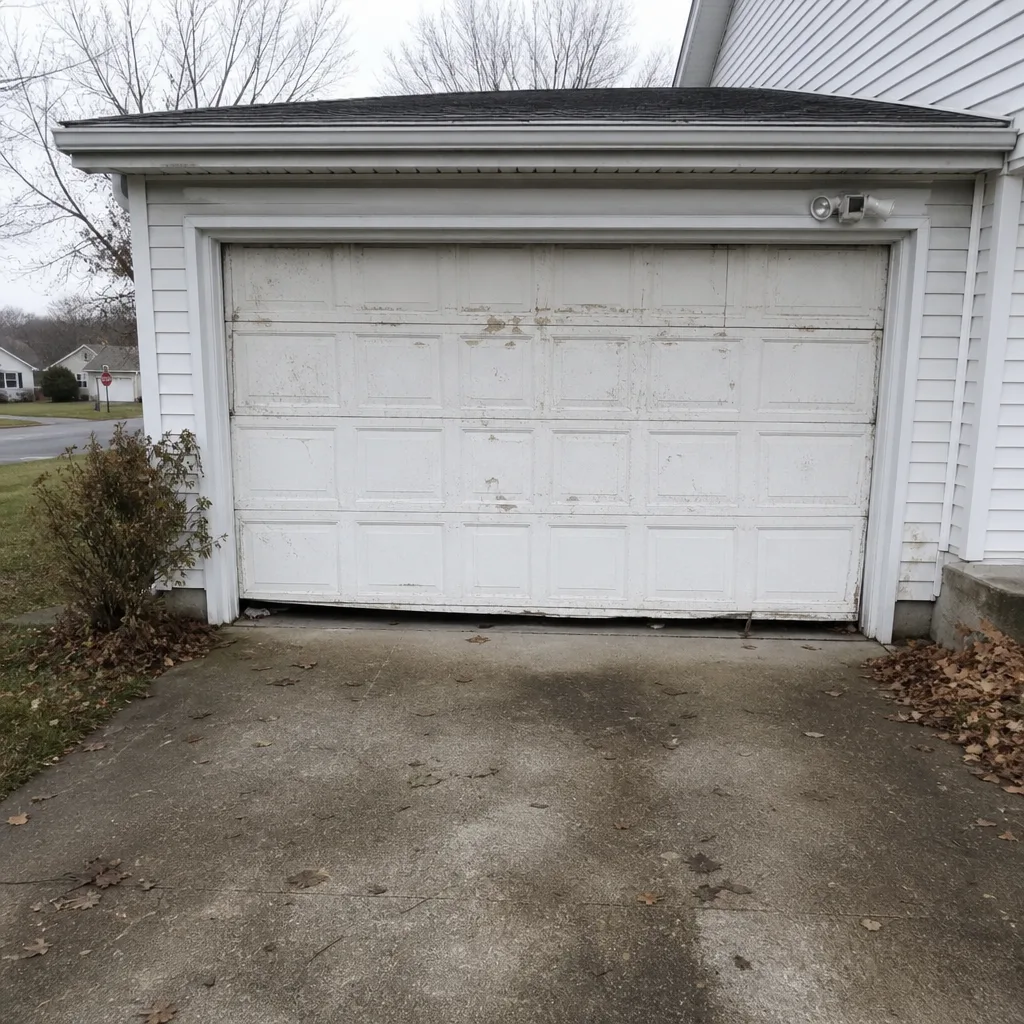 Before
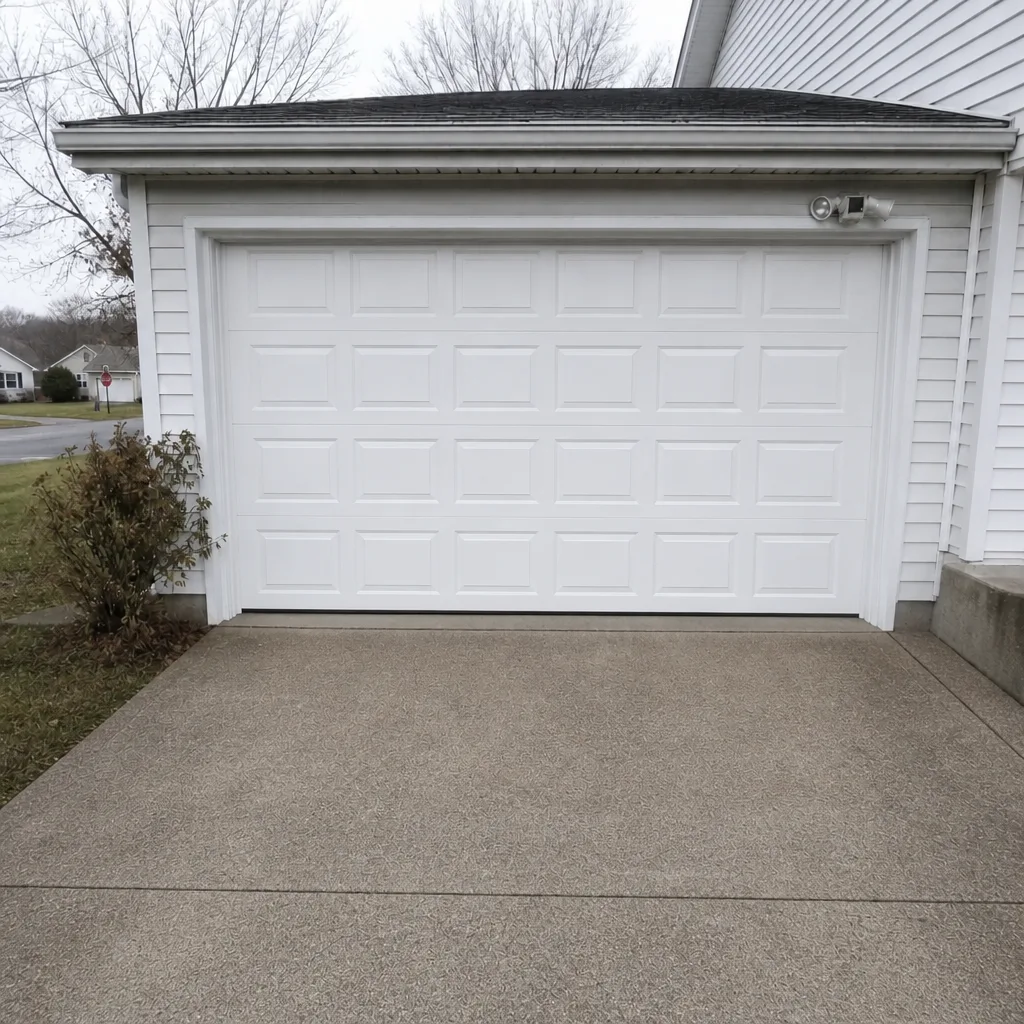 After
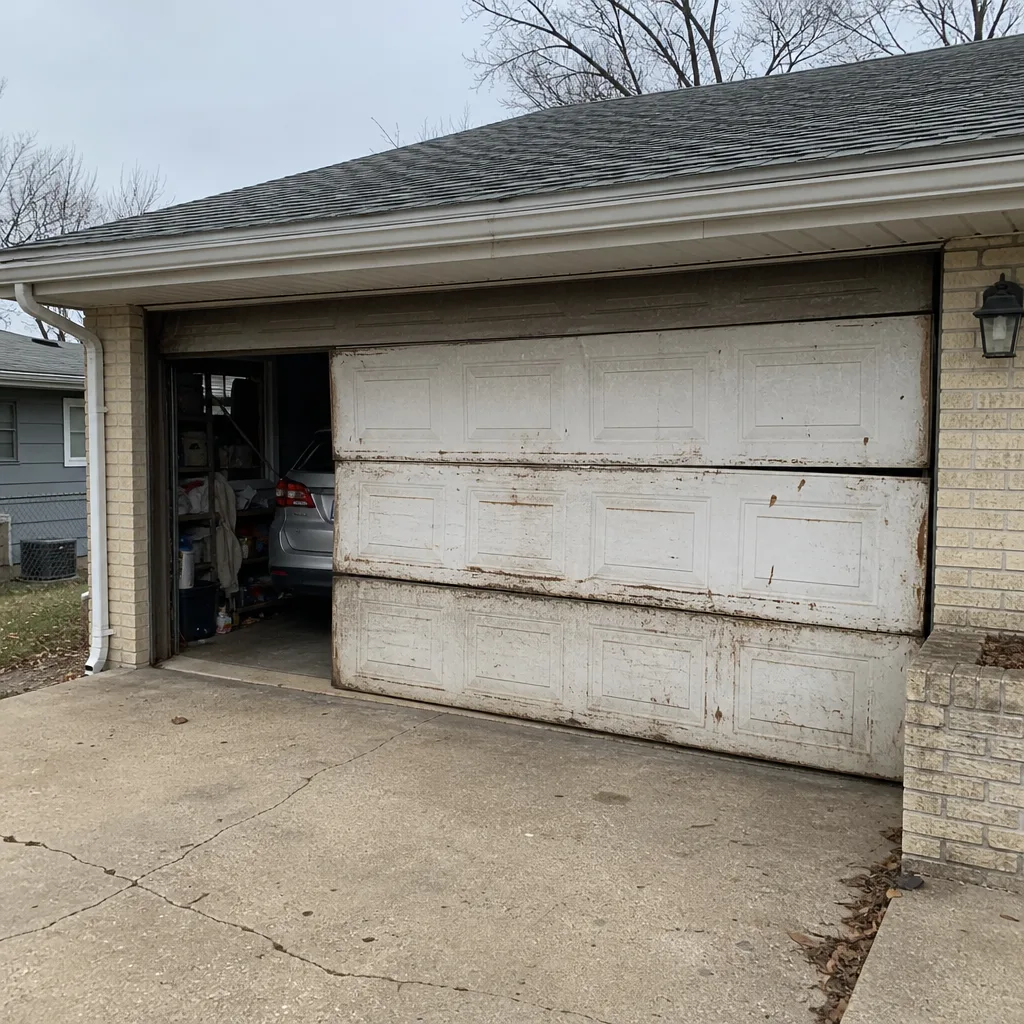 Before
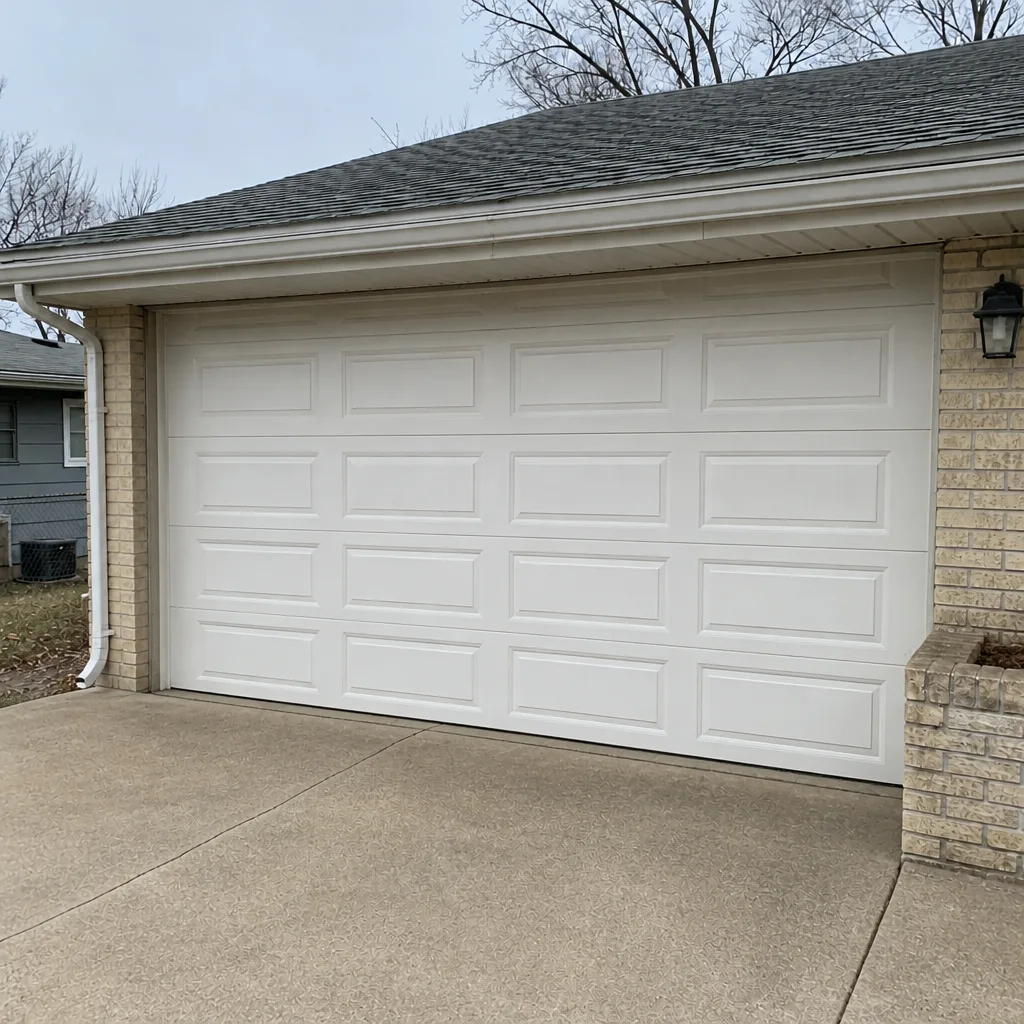 After
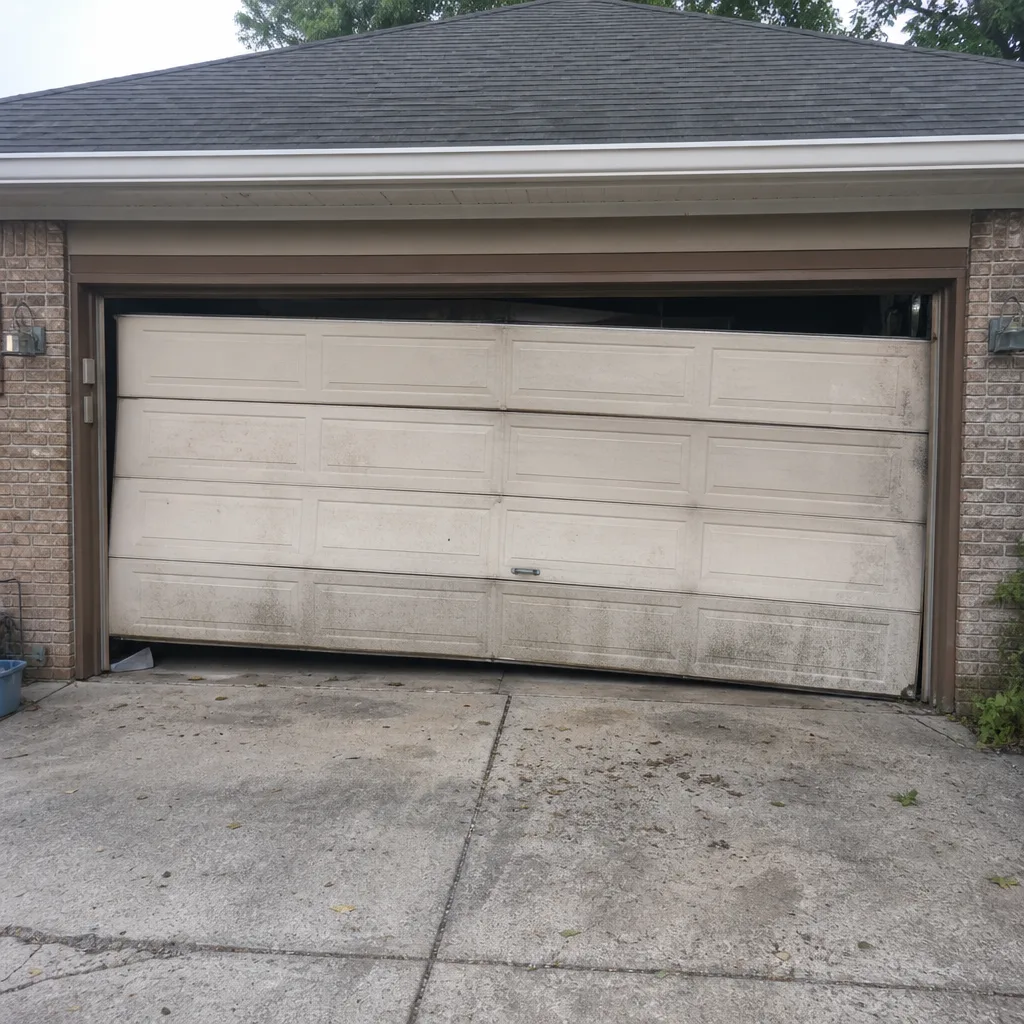 Before
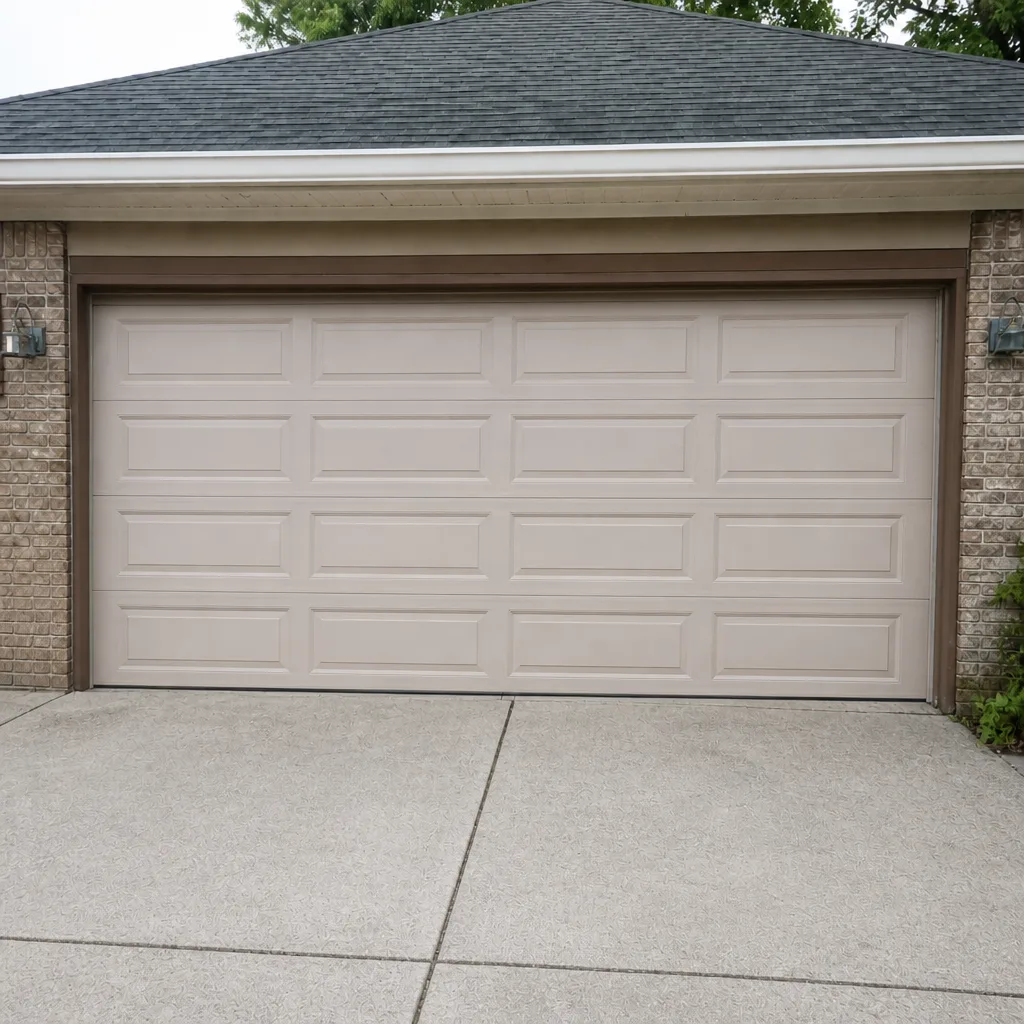 After
What a St. Charles Homeowner Should Watch For
St. Charles sits in a region with real seasonal temperature swings, and that matters for garage doors. Springs work harder through freeze-and-thaw cycles and summer heat, which is part of why spring failures cluster in certain months. Homes here also range from older construction with non-standard openings to newer builds with tighter tolerances, so a contractor who works across the area will have seen your situation before. The practical takeaway: ask whether the contractor serves St. Charles regularly, whether they’ve worked on homes similar to yours, and whether they can name the brands commonly installed in the area. A technician who’s been in the trade for years and works St. Charles consistently will answer all three without hesitation. One who’s passing through won’t. Our technicians have up to 14 years of experience, and we’ve seen how much better a job goes when the person in your driveway actually knows the local housing stock.
Common Mistakes to Avoid
- Hiring on reviews alone. Reviews can be genuine and still belong to a franchise that subs your job out. Verify the business and insurance, not just the stars.
- Accepting a quote over the phone. Any real garage door quote needs a site check. A phone quote is a guess with a compliment attached.
- Choosing the lowest bid without reading the scope. The cheapest quote in St. Charles is often the one that skips disposal, sensor alignment, and the balance check you’ll pay for later.
- Skipping the warranty in writing. A verbal “we stand behind our work” is not a warranty term. Get parts and labor coverage on the contract.
- Letting a generalist handle spring work. Torsion springs are a specialized job, and a handyman who’s “done a few” is a safety risk, not a savings.
- Ignoring the brand question. If the contractor can’t tell you what brand of door or opener you have and what’s known to fail on it, they’re guessing.
- Paying in full up front. A deposit for ordered materials is normal on an installation. Full payment before the work is done is a red flag.
When to Call a Professional
Call a professional the moment you hear a loud bang from the garage, the door won’t lift or won’t close, a cable is hanging loose, or the opener runs but the door doesn’t move. Those are spring, cable, and opener failures that need trained hands. Also call if the door has come off its track, if the safety reverse fails the balance test, or if you’re planning a new door and need a proper measure. Don’t wait on a stuck door that leaves your home open. St. Charles Garage Door Repair Co offers free estimates in St. Charles. Call (877) 473-4275. We answer 24/7, with fast dispatch from 7am to 7pm, Sunday through Friday.
Frequently Asked Questions
A single torsion spring replacement typically runs $180 to $340 in the St. Charles area, and a matched pair runs about double that because the pair is usually replaced together. The written quote sets the final price, so get the door measured and the spring spec’d before you commit. Call (877) 473-4275 for an exact quote. Estimates are free.
Missouri does not issue a statewide specialty license for garage door work, so the burden of verification falls on you. Confirm the company’s state business registration, local St. Charles business license, general liability insurance, and workers’ compensation coverage before anyone starts. A legitimate contractor provides these on request without hesitation.
Yes, same-day repair is often possible for spring, opener, and track issues when you call early. We answer 24/7, with fast dispatch from 7am to 7pm, Sunday through Friday. A call outside dispatch hours is booked into the next opening. Call (877) 473-4275 and we’ll get you on the schedule.
The written estimate is the price, and it’s agreed before any work begins. The only reason a price changes is if the job turns out to be materially different from what the site check showed, and that gets discussed and agreed before anyone proceeds. No work starts without a quoted and accepted price.
We service LiftMaster, Chamberlain, Genie, Clopay, Amarr, Wayne Dalton, Craftsman, and Raynor equipment. That covers the vast majority of residential openers and doors in St. Charles homes. If you’re unsure what you have, read the label on the opener and the door, and we’ll tell you what we’re working with.
A garage door warranty splits into a parts warranty and a labor warranty, and both should be in writing. The parts warranty is the manufacturer’s promise on components like springs, panels, and openers. The labor warranty is the contractor’s promise on the installation itself. Ask what you’d pay if a part fails within the warranty window, and get the answer on the contract.
The Bottom Line
Hiring a garage door contractor in St. Charles comes down to five minutes of verification, a written itemized quote, and a contract that puts parts and labor warranties in writing. Missouri doesn’t screen garage door specialists for you, so you have to. Ask the brand-specific questions, insist on the three protective clauses, and read the quote scope before you compare prices. The contractor who welcomes all of it is the one you want. When you’re ready for a free estimate, call (877) 473-4275. We answer 24/7, with fast dispatch from 7am to 7pm, Sunday through Friday, and we’re glad to walk you through the options for your door.
Written by the team at St. Charles Garage Door Repair Co.