
Last updated November 22, 2026
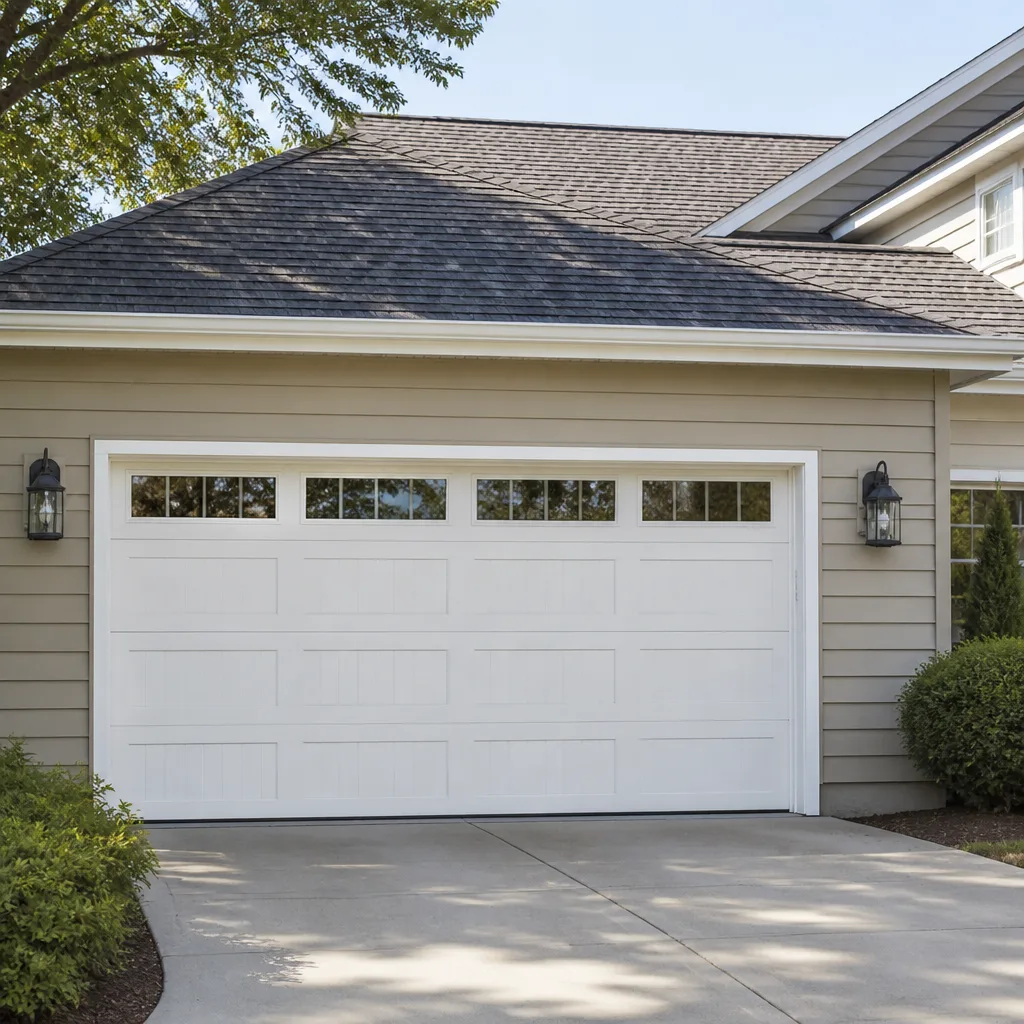
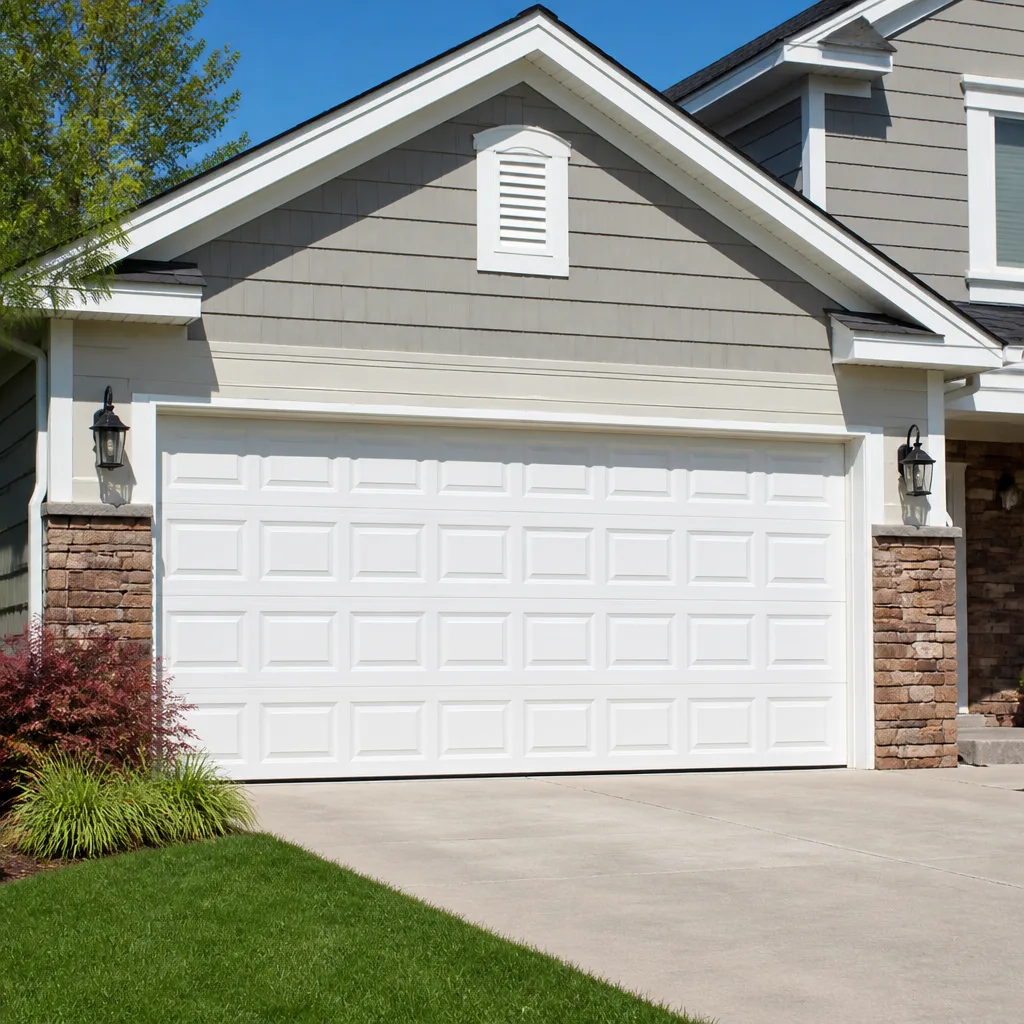 Raised-panel steel
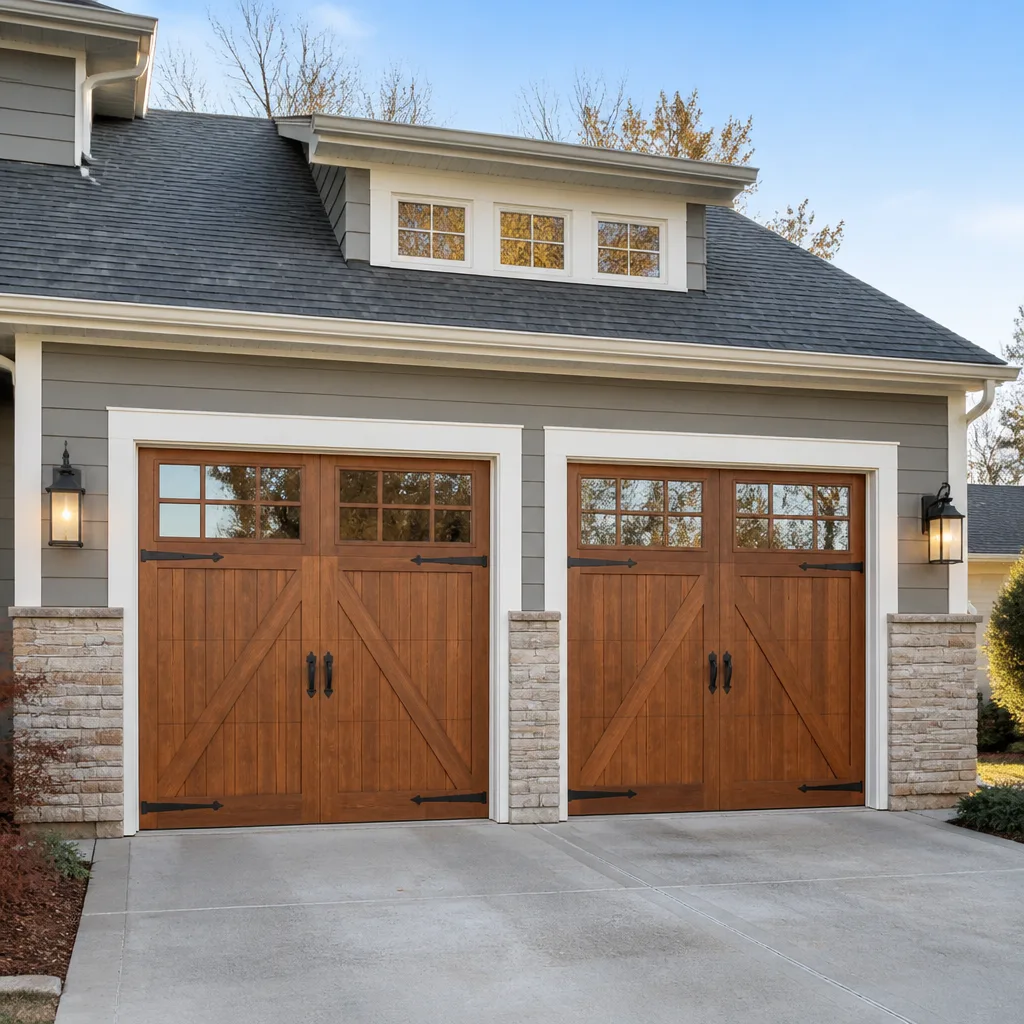 Carriage house
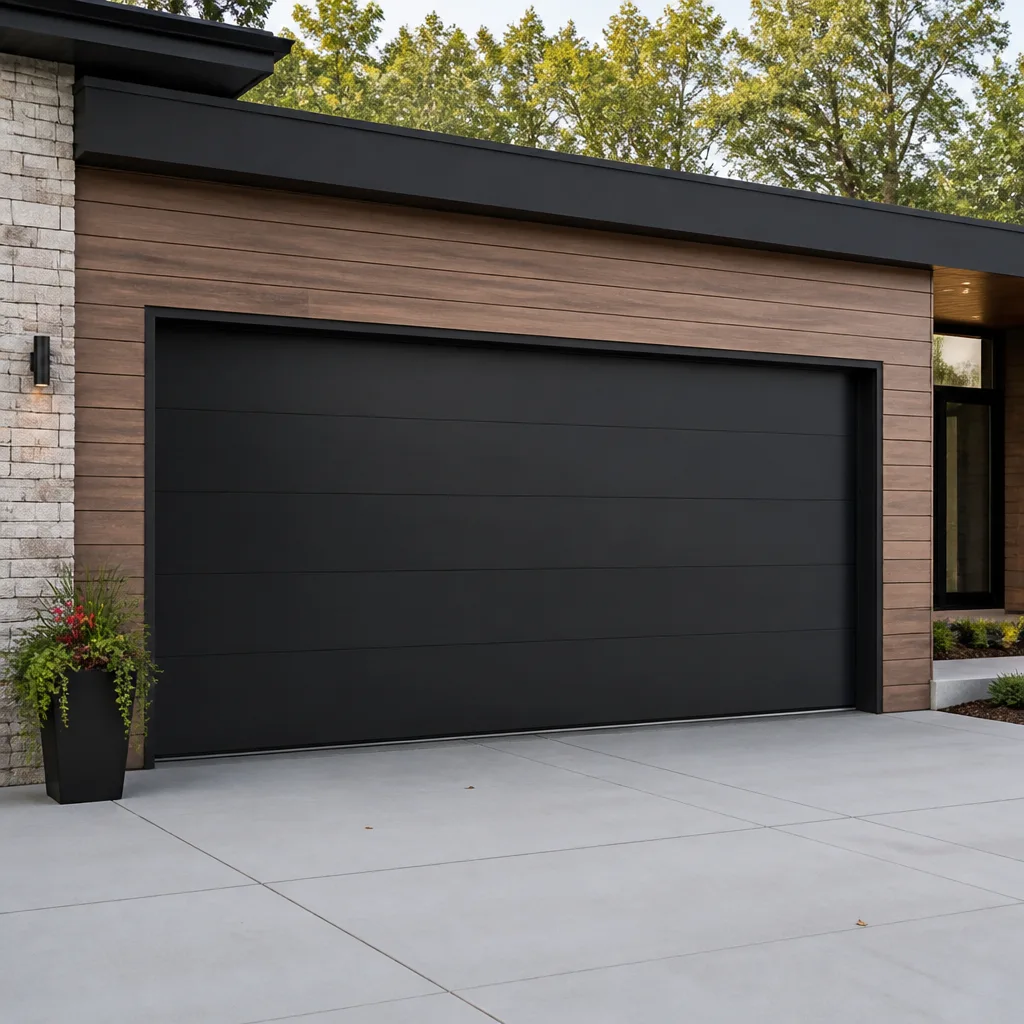 Modern flush
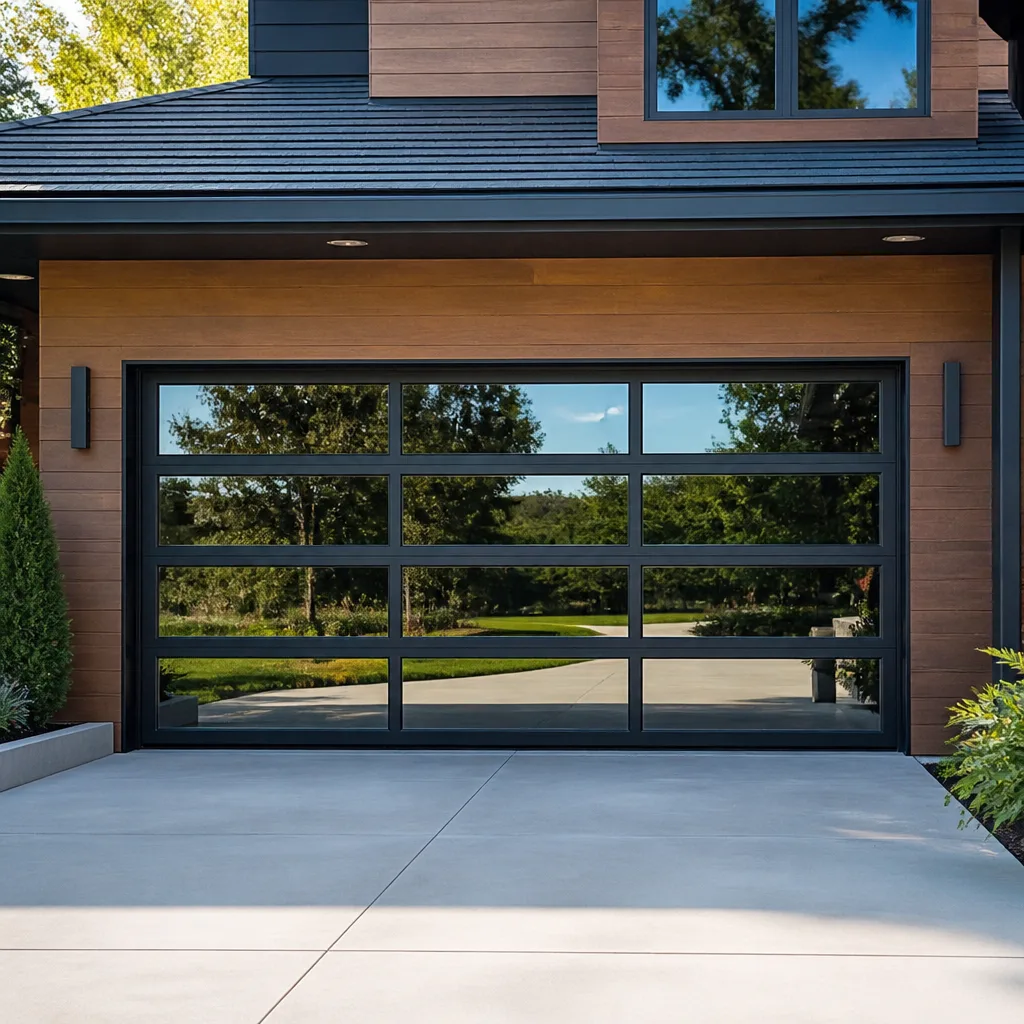 Full-view glass
 LiftMaster openers
 Chamberlain openers
Full 25-point door and opener safety check with every visit - springs, cables, rollers, tracks, and your LiftMaster or Chamberlain opener included
You get a price before we start. It does not change when the pro arrives.
Get your free estimateGarage Door Warning Signs: A St. Charles Homeowner’s Reference Guide
Most homeowners call us after the door has already failed. The snapped spring, the door hanging off one track, the opener motor grinding but not lifting. By that point, the repair is urgent and the schedule is out of your hands. What surprises people is how long the door was telling them something was wrong before that morning. A garage door almost never fails without warning. It gets a little louder, a little slower, a little uneven, and those changes build over weeks or months. This guide is about catching those early signals while the fix is still small and the timing is still yours. In St. Charles, where temperature swings work on steel springs all year, reading the signs early matters more than most people realize.
Quick Answer
Garage door warning signs usually show up as small changes first: a door that opens a second slower than it used to, grinding or popping noises, uneven movement, or a door that won’t stay put when you lift it halfway. Any of those means the spring, cables, rollers, or opener is wearing out. Catching them early turns a snap-and-emergency repair into a scheduled one. Continuing to run a door that shows these signs is what turns a small repair into a big one.
Styles & brands we work with
- Raised-panel steel
- Carriage house
- Modern flush
- Full-view glass
- LiftMaster openers
- Chamberlain openers
Table of Contents
- What the Noises Are Telling You
- What to Look For During a Visual Inspection
- Operational Red Flags You Can See From the Car
- The Balance Test and How to Interpret It
- How to Triage Urgency: Stop, Schedule, or Monitor
- Why Springs Fail First (and Why We Treat Them Carefully)
- Opener Warning Signs by Brand
- Common Mistakes to Avoid
- When to Call a Professional
- Frequently Asked Questions
What the Noises Are Telling You
A garage door can’t talk, but every sound it makes comes from a specific part doing specific work. Learning to match the noise to the component is the single biggest thing a St. Charles homeowner can do to catch problems early. Here’s how we break it down after years of listening to doors around the county.
- Grinding: Metal-on-metal grinding is usually worn rollers or a dry torsion tube. When rollers lose their bearings, they scrape instead of roll, and the door drags its own weight. Left alone, the extra resistance wears the opener down faster.
- Popping: A sharp pop when the door moves up or down often points to a binding torsion spring, a loose cable, or a bent hinge. Popping is the one to take seriously because it can precede a cable slipping off its drum.
- Rattling: Loose hinges, brackets, and bolts vibrate against the door panels as it moves. Rattling is usually the cheapest to fix but easy to ignore until something actually falls off.
- Squealing: A high-pitched squeal is dry rollers or a torsion spring that needs lubrication. Squealing means friction is high, and friction accelerates wear on every moving part.
One thing worth knowing: a door that gets noticeably louder over a few weeks is telling you the tolerances are loosening. In St. Charles, that can be the effect of humidity swelling and shrinking wooden panels and steel joints across the seasons, so the timing of a noise change sometimes tells you as much as the noise itself. When the sound arrives suddenly rather than creeping in, that’s a different diagnosis and a reason to call sooner.
What to Look For During a Visual Inspection
You don’t need to touch any high-tension part to spot a problem. A visual pass of about two minutes, once a month, catches wear at the stage where repair is still cheap. Look for these four patterns.
- Rust patterns: Rust on the bottom corners of a steel door is normal from snow and water tracking down. Rust creeping up through the panel seams, or spotting on the hinges and brackets, means moisture is getting where it shouldn’t and those fittings are seizing up.
- Cable fraying: Look at the cables running along each side. A healthy cable is smooth and tight. One with stray wire strands sticking out like a frayed rope end, or a cable that looks slack on one side, is a cable that could snap. Stop using the door if you see this.
- Roller wear: Rollers should be round and turn freely. A worn roller has a flat spot, wobbles, or is visibly smaller than the ones next to it. A roller with its bearing seized will skip instead of turning.
- Track and gap issues: Check that the vertical tracks look parallel and there’s an even gap around the door edge. A gap that’s wider at the top than the bottom means the door is no longer tracking straight.
What’s worth knowing for homes in St. Charles is that winter road salt gets tracked into garages on cars and boots, and it takes a toll on the bottom panel, the hinges, and the torqued hardware low on the door. Doors on sloped drives in neighborhoods like Fox Hill see more water pooling near the threshold, which shortens the life of the bottom seal and pushes moisture into the lowest hinges first. Catching that early keeps repair cheap. Once rust reaches the tracks and springs, it’s a bigger job.
Operational Red Flags You Can See From the Car
Some of the clearest early signs are things you notice while the door is moving, and paying attention to them for a month can head off a failure entirely. These are the operational red flags, and each one points to a different mechanical cause.
- The door reverses unexpectedly: If it goes back down on its own before it reaches the open or closed position, the safety sensors or the opener’s force limit is being tripped. A door that hits resistance and reverses is protecting itself, but the resistance it’s sensing means something is binding.
- It moves unevenly: One side rising before the other means the spring tension is unbalanced, or one cable is stretched. Uneven travel is one of the earliest and most reliable signs of pending spring trouble.
- It takes multiple opener attempts: A door that lifts on the second or third press is telling you the opener is working harder than it should. That could be a fading opener, a worn spring, or a binding track.
- It doesn’t open all the way: An opener that stops short is often hitting a travel limit that’s drifted, or a mechanical obstruction it’s treating as a safety stop.
- The door shakes as it moves: Shaking points to loose hardware or a misbalanced door, and it stresses the opener’s drive gear every time.
A door that reverses for no visible reason can also be a sensor problem rather than a mechanical one. Dust, cobwebs, or a light that’s been bumped and knocked out of alignment will cause a reversal, and that’s the one to rule out before assuming something mechanical. In our experience around St. Charles, a reversal that appears only when the afternoon sun hits the sensor is almost always a sensor alignment issue rather than a failing part.
The Balance Test and How to Interpret It
The balance test tells you what condition your springs are in without going near them. Here’s the safe way to do it, and it’s the most useful single check for homeowners.
- Close the door and disconnect the opener, using its manual release so the door is free to move by hand.
- Lift the door about halfway, to roughly waist height.
- Let go and watch what it does.
- A balanced door stays where you put it. A door that sags down on its own has weakened springs. A door that shoots back up is over-tensioned.
What does that mean for your repair? A door that drops slowly at waist height usually means one spring is tired but the system still has some life. A door that falls quickly or slams down is telling you the spring is close to failing, and you should stop using it and schedule a repair. A door that stays put passes the balance test, and the next thing to check is the noise and the rollers.
We’ll say this plainly: the balance test is safe because you’re testing the door by hand, but it also tells you something serious. A door that won’t hold at waist height is one that could drop the next time the spring gives out, and that’s a real hazard. Don’t attempt to adjust the spring tension yourself. Torsion springs are under high tension and can cause severe injury, so this is work for a trained technician. Our garage door spring repair service exists for exactly this reason, and in St. Charles we handle it as its own dedicated job rather than an afterthought.
How to Triage Urgency: Stop, Schedule, or Monitor
Once you’ve spotted something, the real question is what to do about it. Here’s how we sort warning signs by urgency, and this triage is most of the value of paying attention early.
Stop using the door now: a frayed or visibly slack cable, a spring that has clearly snapped or separated, a door that has come off its track, or a door that won’t hold at waist height and drops quickly. These are the signs where leaving the door up overnight or forcing it closed can physically damage the door or hurt someone. Use the manual release and leave it until a technician sees it.
Schedule within a week: uneven movement, popping during travel, a door that reverses on its own, an opener that’s failing to lift, or grinding that’s getting worse. These are failing parts that still work for now. A scheduled repair costs less and gives you a firm time slot, instead of the urgency of a door that won’t open at all.
Monitor for a month: light rattling, a little squealing, worn rollers, or a small gap that’s opened up around the door edge. These are wear items. Watch whether they get worse, and jot a note on your calendar to check again in a few weeks.
One climate note for St. Charles: spring failures cluster around the first cold snaps and the big temperature swings of late fall and early spring. A door that’s been quietly showing signs all summer is more likely to give out when the season turns, so getting ahead of that timing is time well spent.
Why Springs Fail First (and Why We Treat Them Carefully)
If you only watch one component, watch the springs. They carry the full weight of the door, they’re under constant tension, and they’re the part most likely to fail first in any garage. There are two kinds: torsion springs mounted on a shaft above the door, and extension springs running along the top of the tracks. Both do the same thing, and both give you the same early warnings.
Early signs of spring trouble include a door that feels heavier than it used to when you lift it by hand, a subtle change in how it opens, and a slight unevenness side to side. By the time you see the spring itself visibly separated or hanging, it’s already failed and the door is unsafe to use.
We’ll be direct about the danger. Torsion springs and the cables attached to them are under high tension and can cause serious injury if handled without the right tools and training. Any adjustment or replacement should be done by a trained technician. This is why a spring isn’t a part you buy at a hardware store and swap over a weekend. It needs the right sizing for the door and its installation is as important as the spring itself.
A spring that fails isn’t a random event, it’s the end of a long wear curve. That’s why the balance test and the noise check catch it early, and why we treat St. Charles Garage Door Repair Co spring repair as its own specialized service rather than a general repair call.
Opener Warning Signs by Brand
The opener has its own set of warning signs, and they look a little different depending on the brand. We’re factory-familiar with LiftMaster, Chamberlain, Genie, Clopay, Amarr, Wayne Dalton, Craftsman, and Raynor, so we diagnose the system that’s actually installed rather than guessing at a generic one. Here’s what we watch for across the most common residential openers.
- Chamberlain and LiftMaster: a motor that runs but the door doesn’t move usually points to a stripped gear or a failing capacitor. Both brands share internals, so diagnosis is fast when the technician knows the model.
- Genie: a chain that sags or a door that jerks as it opens often comes down to a worn chain or a loose sprocket. These show up as intermittent operation before total failure.
- Craftsman: a light that blinks in a pattern, or a remote that only works up close, usually means the receiver is getting weak or the safety sensor is out of alignment.
- Raynor: a door that opens fine but won’t close fully often has a limit switch drifting, and that shows up as the door reversing just before it reaches the floor.
If your opener runs but the door doesn’t lift, or it lifts a few inches and stops, stop pressing the button. The relay or gear may be failing, and repeated attempts can burn out a motor that was still repairable. Our garage door opener repair technicians work on Chamberlain, Genie, Craftsman, and LiftMaster, which covers the large majority of residential openers in the area. When the opener is fine and the door is the problem, that’s garage door repair, and the two often get confused.
See the difference
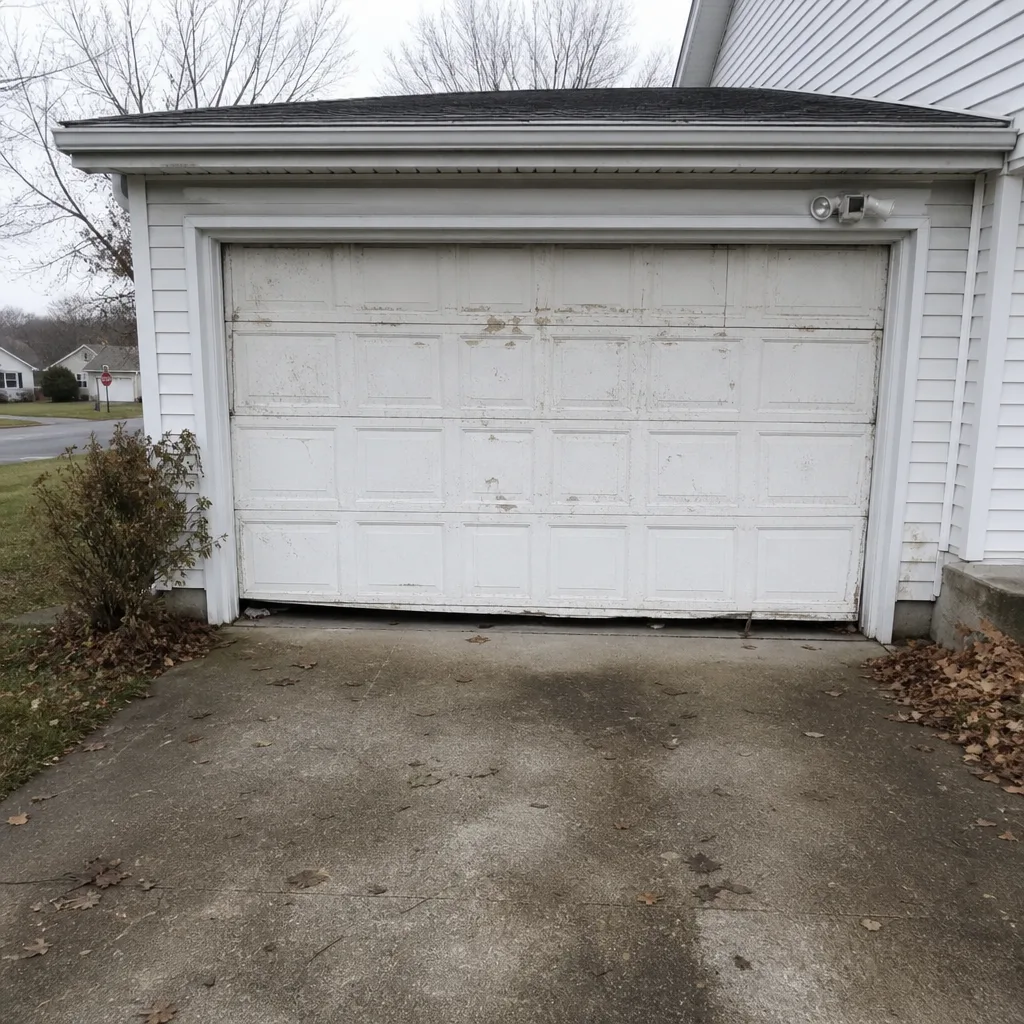 Before
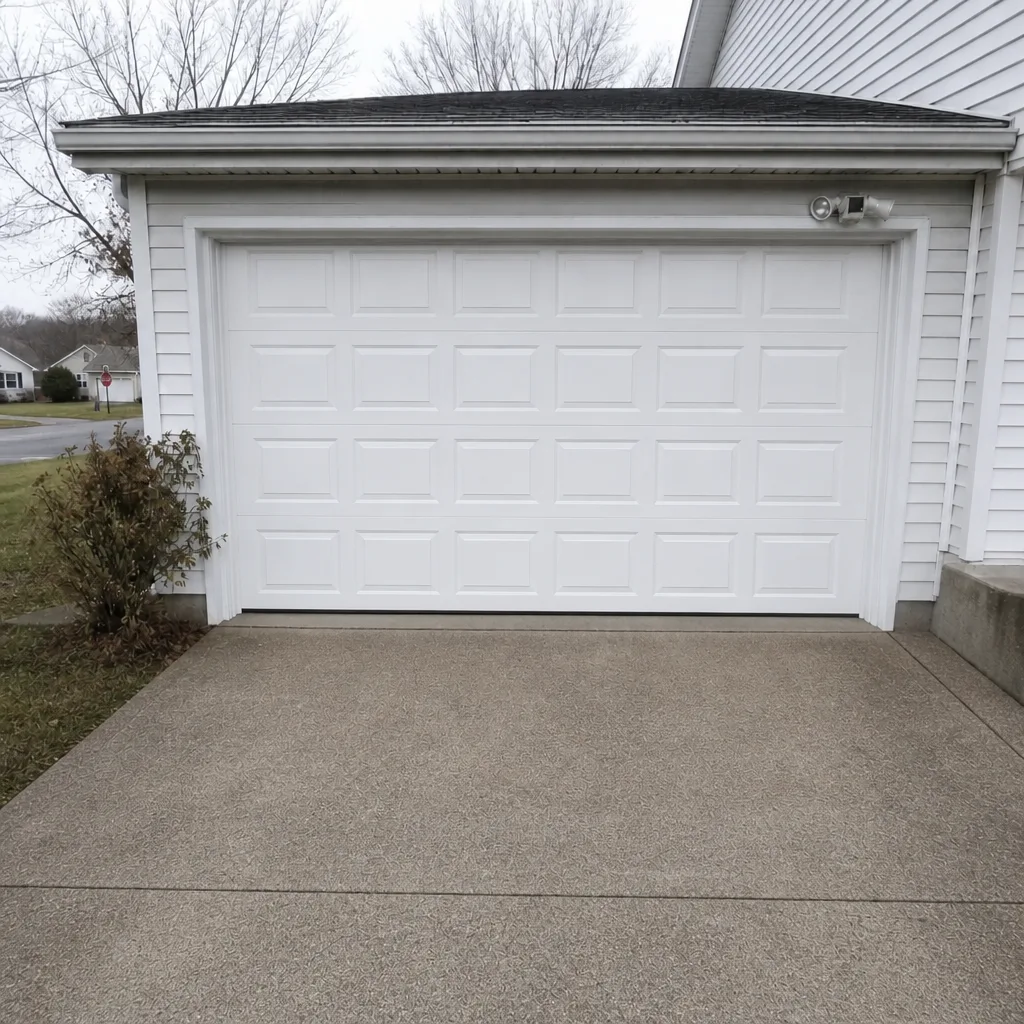 After
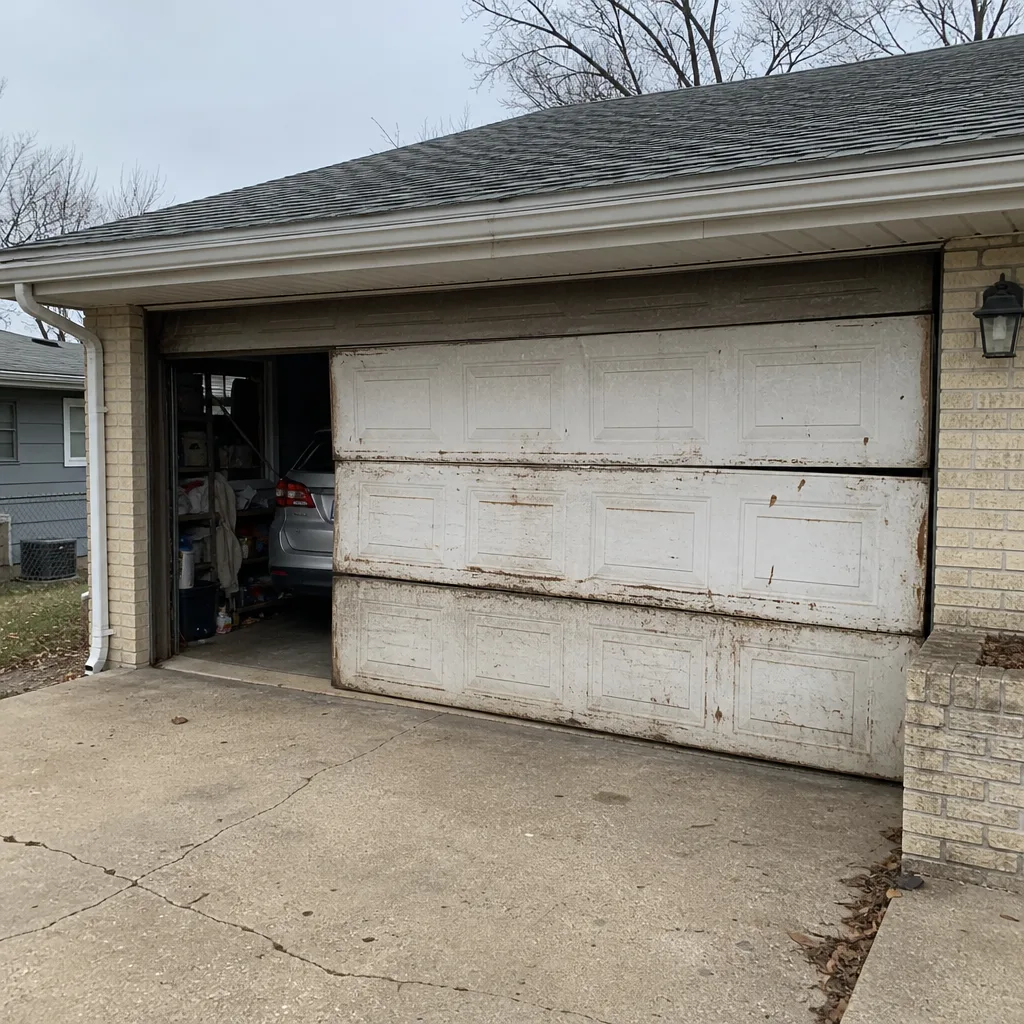 Before
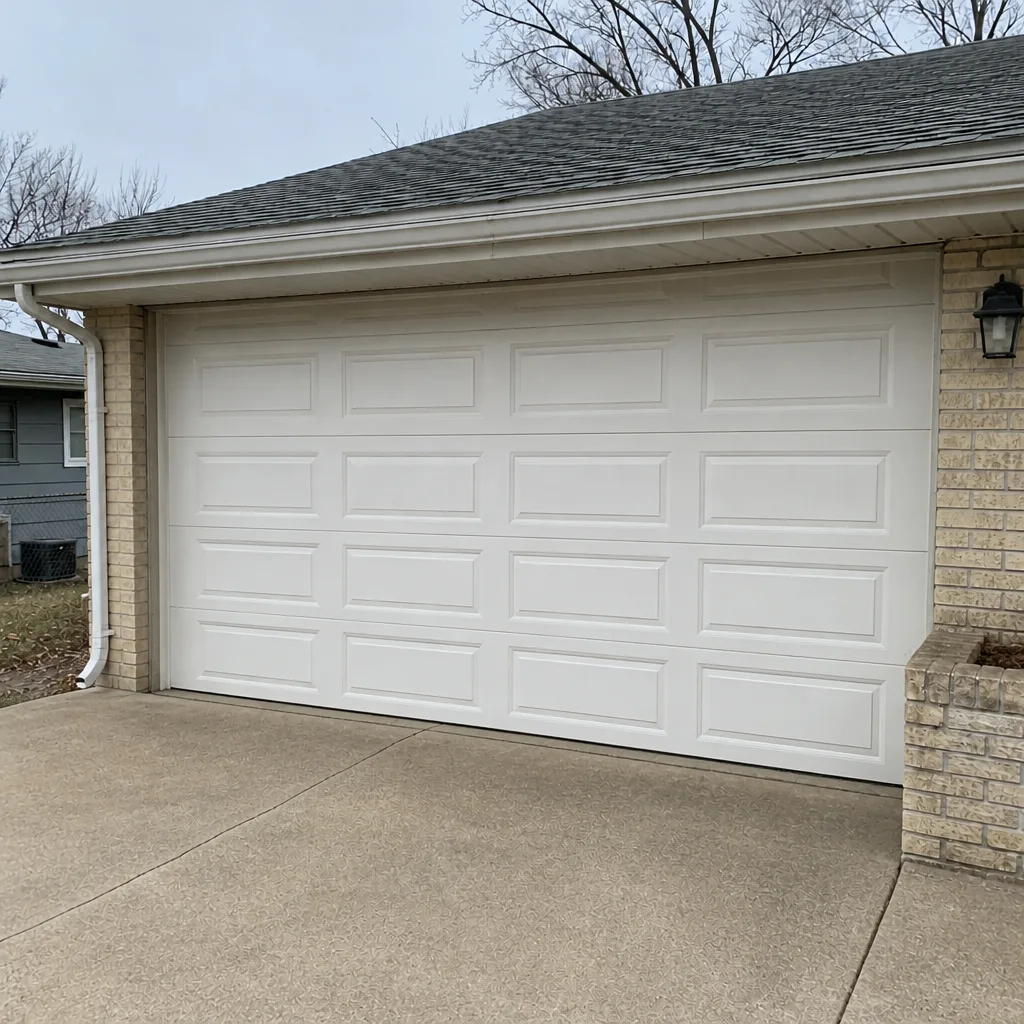 After
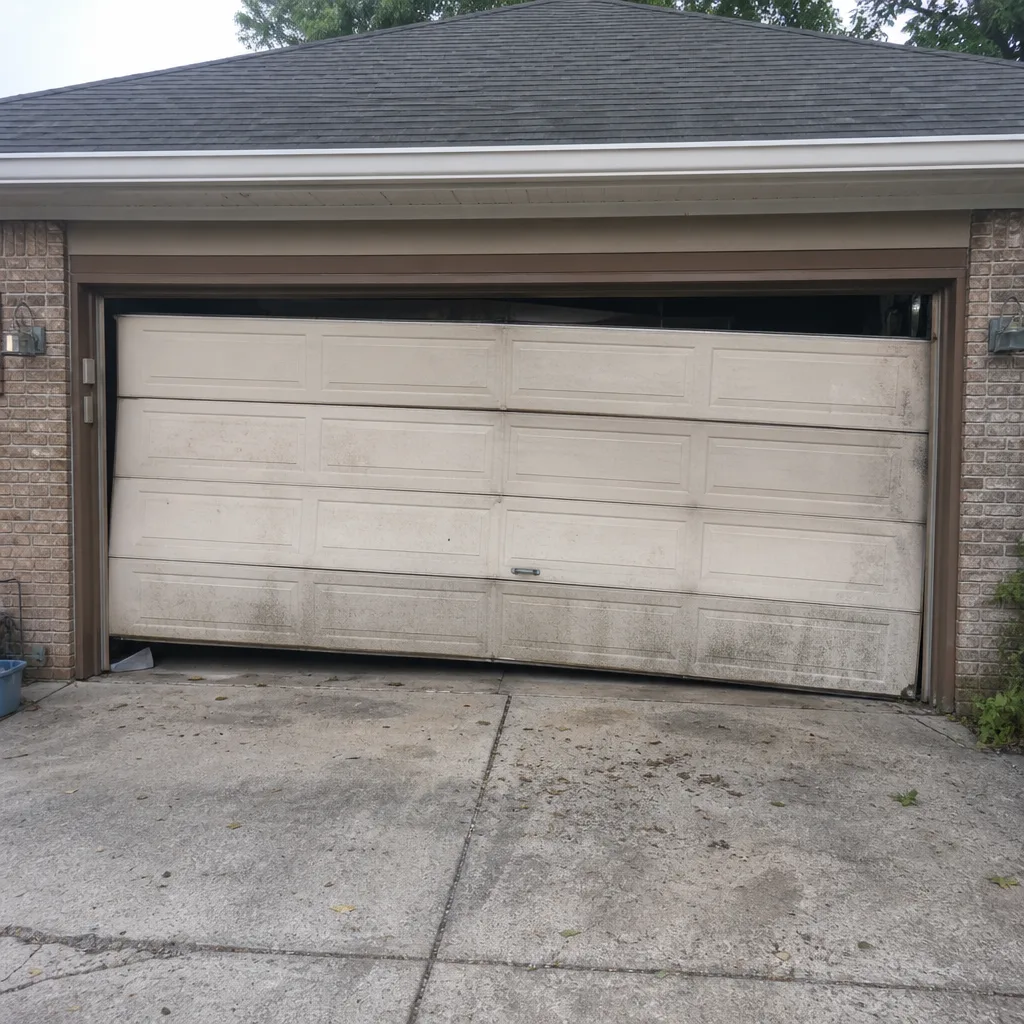 Before
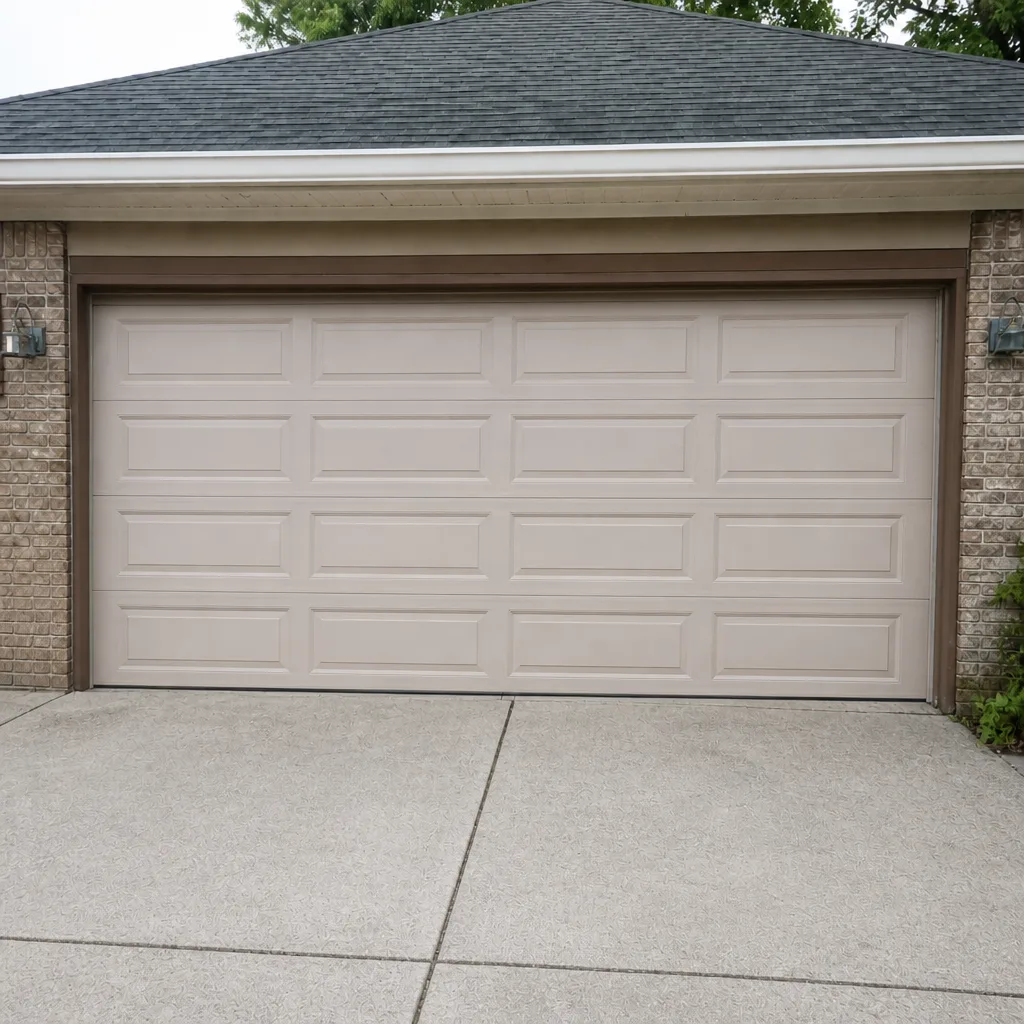 After
Common Mistakes to Avoid
- Ignoring a slow door. A door that takes a second longer to open is the earliest spring warning you’ll get, and the cheapest fix if you act on it. Waiting until it stops altogether pushes you into emergency territory.
- Forcing an uneven or resistant door closed. Forcing a door that’s binding can bend a panel, strip a track, or twist a cable. When a door resists you, stop and call.
- Adjusting spring tension yourself. This is the mistake with the worst consequences. High-tension springs aren’t a DIY project, and the risk isn’t worth it even for a confident homeowner.
- Lubricating without cleaning first. Oil on top of grit forms a paste that wears rollers faster. Clean the tracks, then lubricate the moving parts properly.
- Blaming the opener for everything. Most “dead opener” calls turn out to be a worn spring or binding track. Replacing an opener doesn’t fix a mechanical problem.
- Replacing one spring of a matched pair. When springs are installed together they wear together, and a single replacement unbalances the door and shortens its life.
- Not knowing your door brand before a repair. In St. Charles, doors from Clopay, Amarr, Wayne Dalton, and other major manufacturers all age differently. Knowing the make helps the technician bring the right parts the first time.
When to Call a Professional
Some signs you can monitor. Others need a trained technician before anything else happens. Call a professional if you see a frayed cable, a spring that’s visibly failed, a door that’s off its track, or a door that won’t hold at waist height during the balance test. Call sooner rather than later if your opener is running without lifting the door, if the door reverses on its own and a sensor check doesn’t fix it, or if the noise is getting worse every week. And call immediately if a panel is cracked or bent, since that can be a structural issue rather than a cosmetic one.
St. Charles Garage Door Repair Co offers free estimates in St. Charles, and the price is set in a written estimate before any work starts. Call (877) 473-4275. We answer 24/7, with fast dispatch from 7am to 7pm, Sunday through Friday. Our technicians have up to 14 years of experience, and they can work on the brand that’s actually on your door.
Frequently Asked Questions
Most garage door repairs in the St. Charles area typically fall in a range depending on the part and the brand, and the written estimate you get before work begins sets the final price. Roller and hinge work, cable replacement, and spring repairs each have their own cost, and a matched spring pair is replaced together at roughly twice the cost of one spring. Call (877) 473-4275 for an exact quote, and estimates are free.
Same-day service is often available for doors that won’t close or that have come off track. We answer 24/7, with fast dispatch from 7am to 7pm, Sunday through Friday. Call (877) 473-4275 and we’ll get a technician out as quickly as we can, and the written estimate sets the price before any work starts.
A slow door is still safe to use for now, but it’s the clearest early sign of weakening spring tension. Watch it for a few weeks and schedule a repair if it gets slower or starts moving unevenly. Stop using the door if it starts to drop at waist height during a balance test.
Disconnect the opener using the manual release and move the door by hand. If it moves easily and stays put, the problem is likely the opener. If it’s heavy, binding, or won’t balance, the problem is mechanical and the opener is just the messenger. Call (877) 473-4275 and a technician can confirm which it is.
Yes. The local technician we connect you with is licensed and insured as their state requires. Our technicians have up to 14 years of experience and work on LiftMaster, Chamberlain, Genie, Clopay, Amarr, Wayne Dalton, Craftsman, and Raynor systems. Call (877) 473-4275 for an estimate, and estimates are free.
We focus on the eight major brands we’re factory-familiar with, which is where most residential doors and openers in the St. Charles area come from. Call (877) 473-4275 with your brand and model, and we’ll confirm before booking. The written estimate is set before any work starts.
The Bottom Line
Garage doors fail slowly, and almost every emergency call started as a warning sign weeks earlier. The noise change, the slight unevenness, the door that’s a second slower, the balance test that won’t hold: those are the moments to act, and they’re all things you can check without touching a high-tension part. In St. Charles, the seasonal temperature swings make this check more useful than most homeowners realize. If you’ve spotted any of these signs and want a straight answer on what they mean, call St. Charles Garage Door Repair Co at (877) 473-4275 for a free estimate.
Written by the team at St. Charles Garage Door Repair Co.